
Michelangelo Merisi da Caravaggio
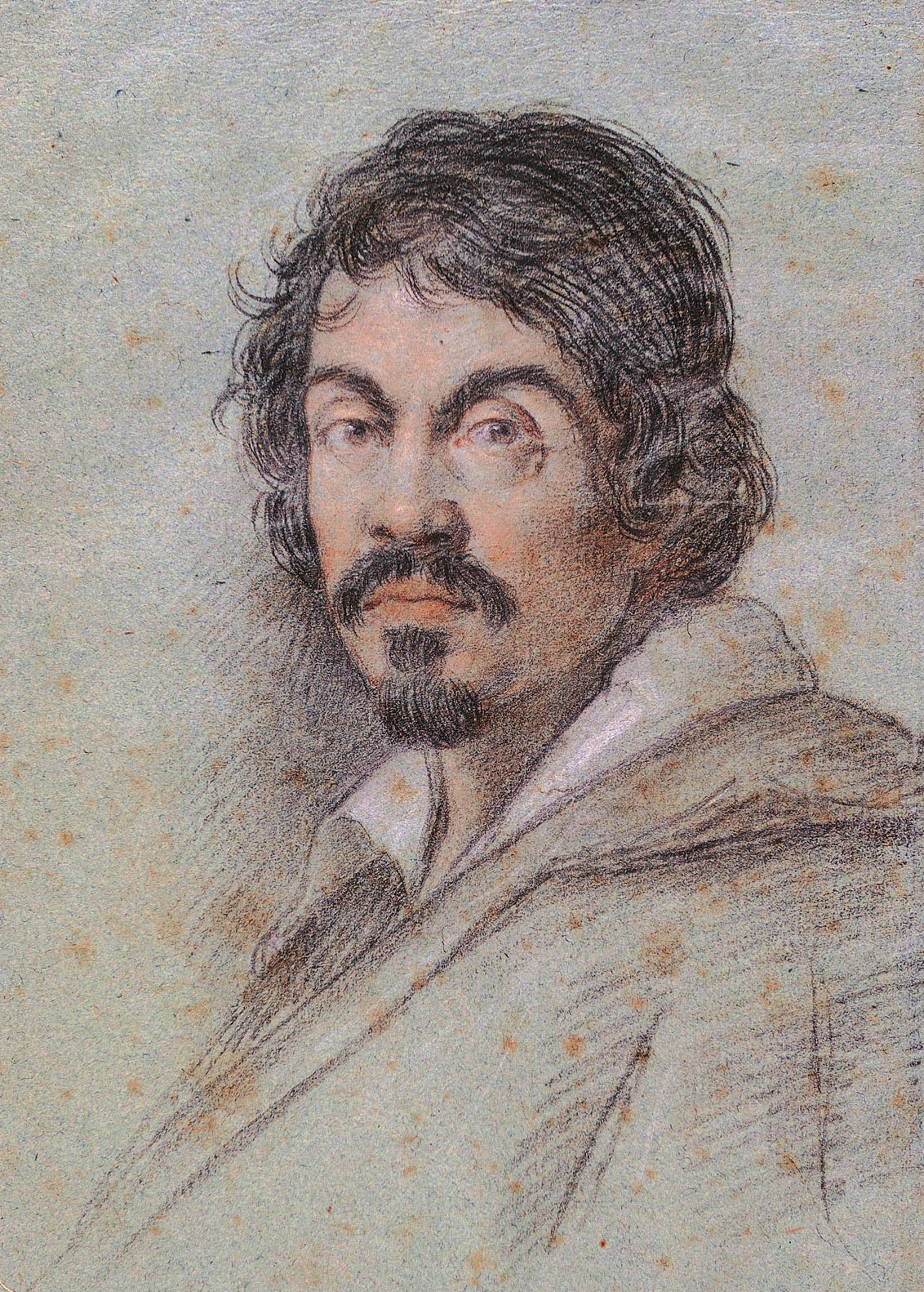
Michelangelo Merisi, known as Caravaggio
Michelangelo Merisi, universally known as Caravaggio, was born in Milan on 29 September 1571 and died in 1610, at the age of only thirty-eight. His brief life combined extraordinary artistic achievement with lawsuits, violence, repeated conflicts and, in his final years, almost continuous flight. His painting profoundly altered the course of European art and became one of the decisive starting points of Baroque painting.
The name by which he entered history derives from Caravaggio, the Lombard town associated with his family and with part of his childhood. His northern Italian background is essential to understanding his later development. He belonged culturally to the Lombard world, whose visual traditions encouraged close observation of reality, naturalism, ordinary human types and an unusual attentiveness to everyday objects.
Training in Lombardy
Caravaggio lost his father while still a child. In 1584, at about thirteen, he entered the Milanese workshop of Simone Peterzano, a painter working within the Mannerist tradition who described himself as a pupil of Titian.
His education therefore took place where several northern Italian traditions met. Venetian painting offered important lessons in colour and light, while Lombard naturalism placed particular value on direct observation. Artists such as Giorgione, Titian, Lorenzo Lotto, Giovanni Girolamo Savoldo, Moretto da Brescia and the Campi brothers form part of the broader artistic background against which Caravaggio's work can be understood. This does not imply a simple chain of direct influences; rather, it identifies the visual culture from which his own conception of painting emerged.
One idea would become fundamental to him: visible reality could itself provide the material of serious painting without first being transformed into an idealised model.
Arrival in Rome
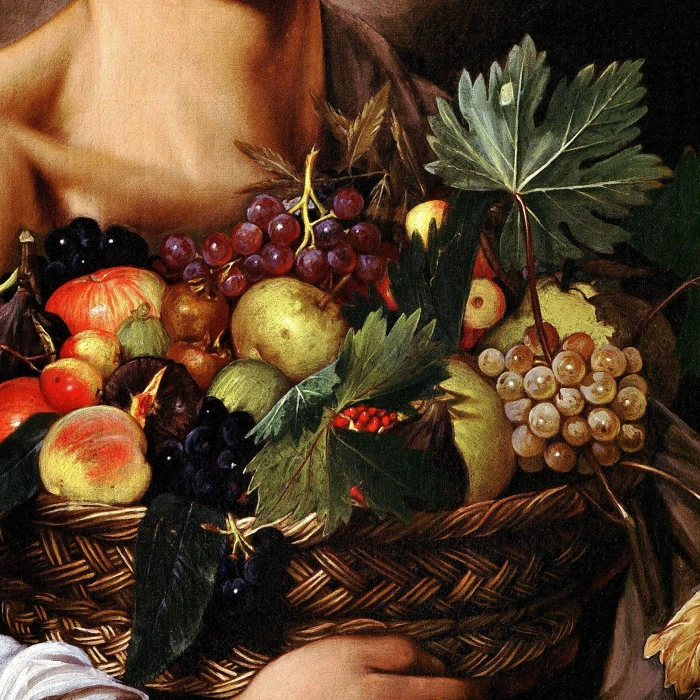
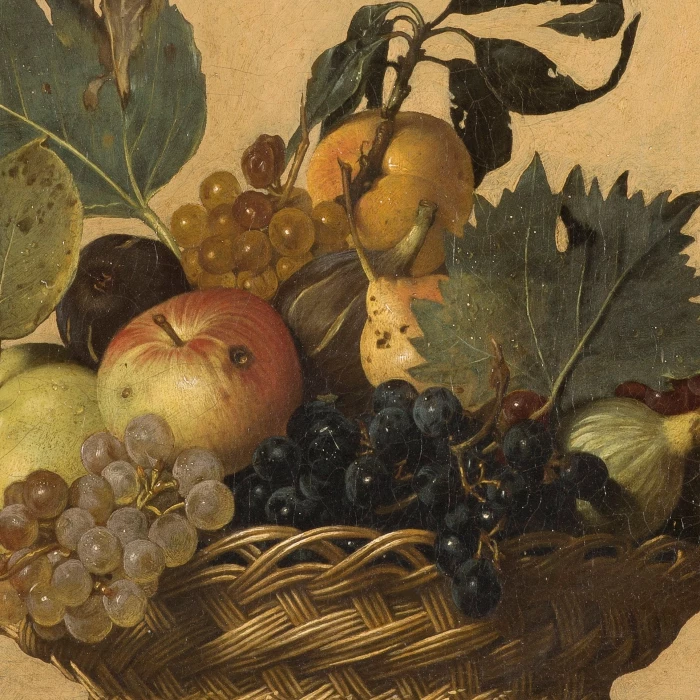
Around 1592 Caravaggio moved to Rome, then one of Europe's great artistic centres. Papal patronage, religious orders and aristocratic families sustained intense building and decorative activity, but his first years there were precarious. He worked for several masters, including Cavalier d'Arpino, Giuseppe Cesari, in whose workshop he was employed principally on flowers and fruit.
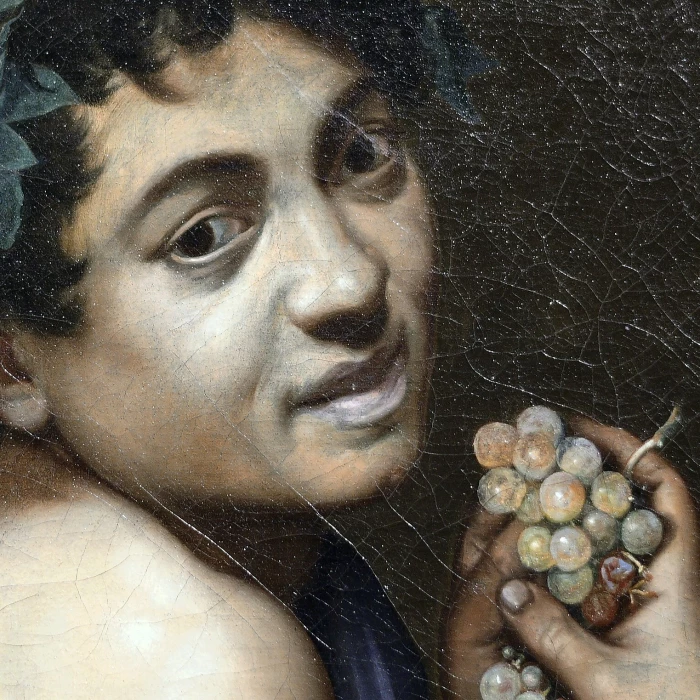
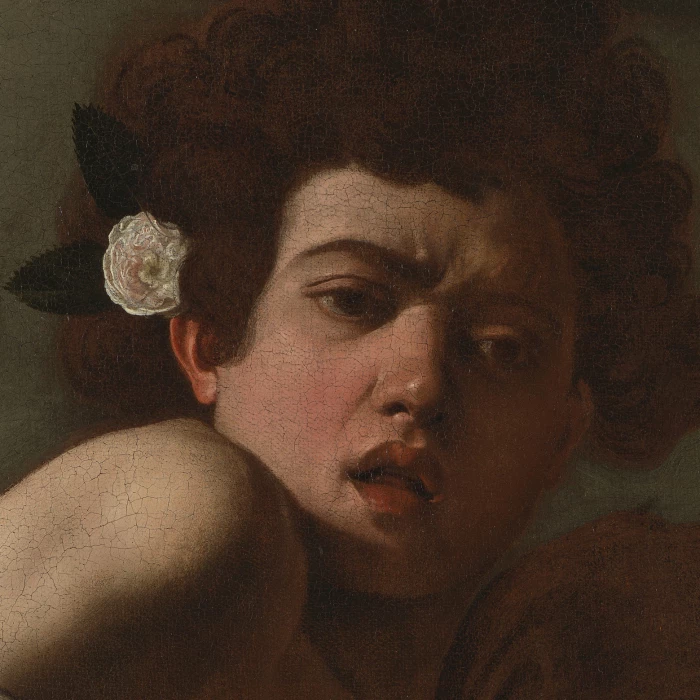
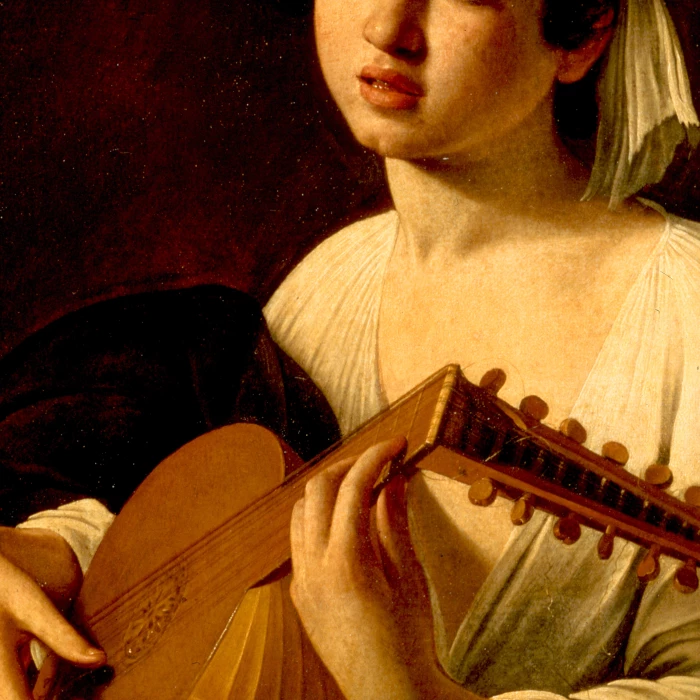
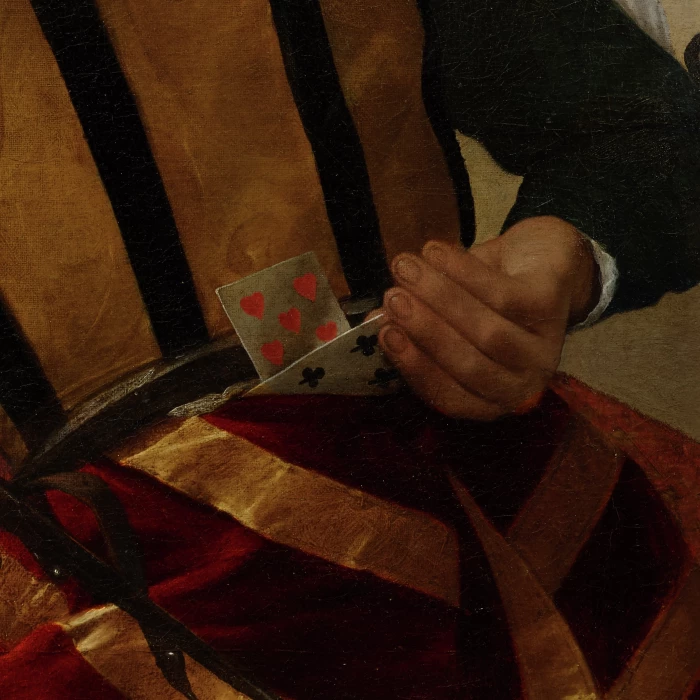
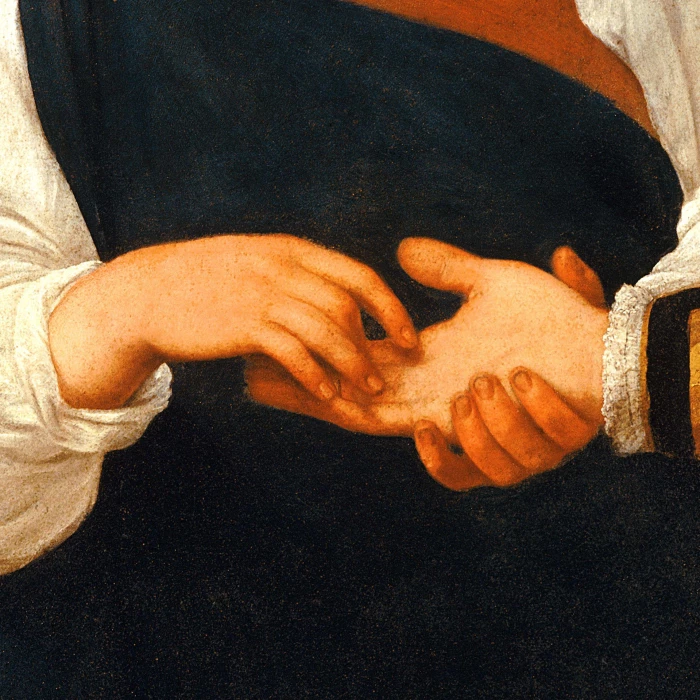
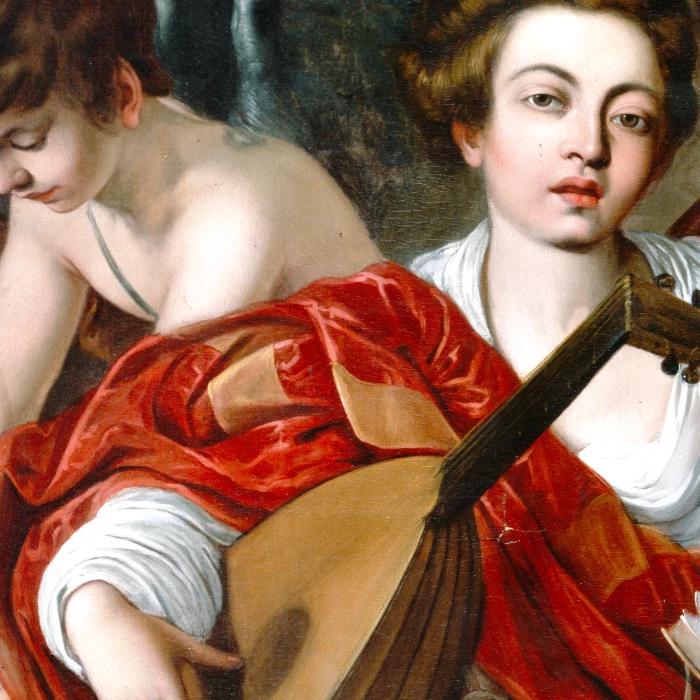
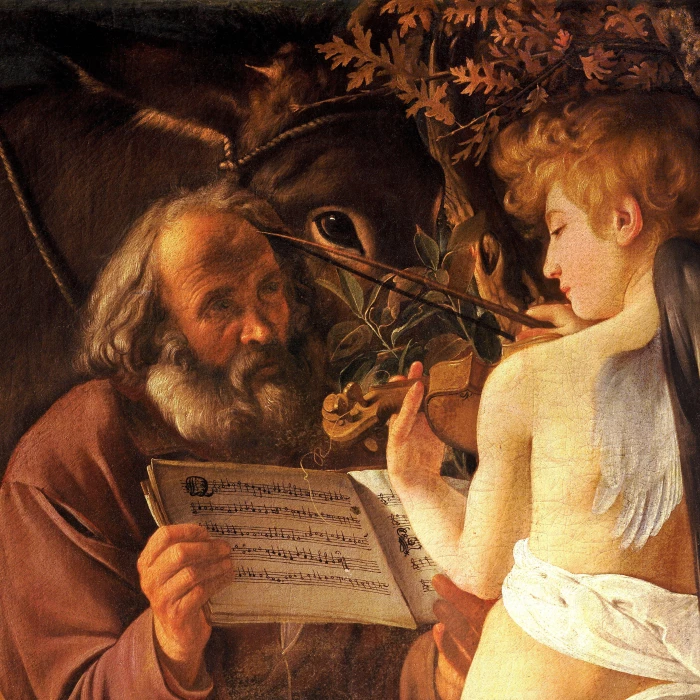
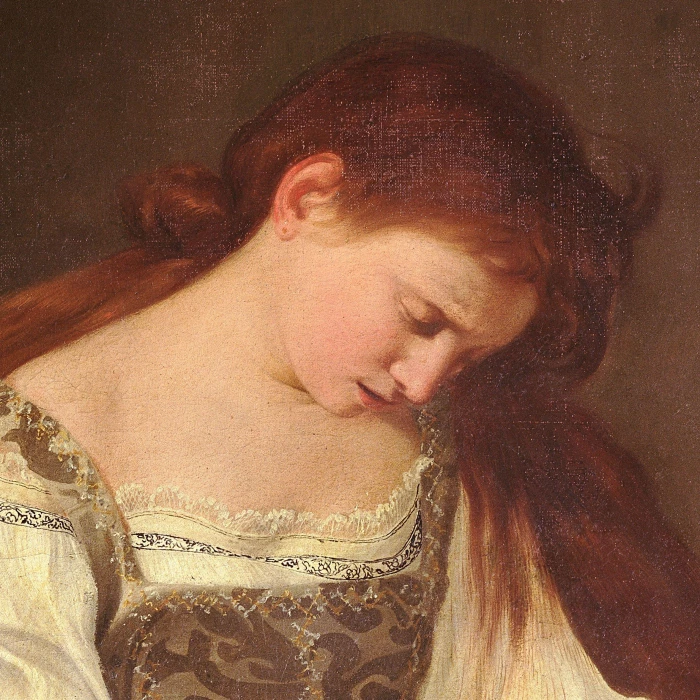
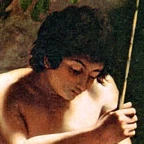
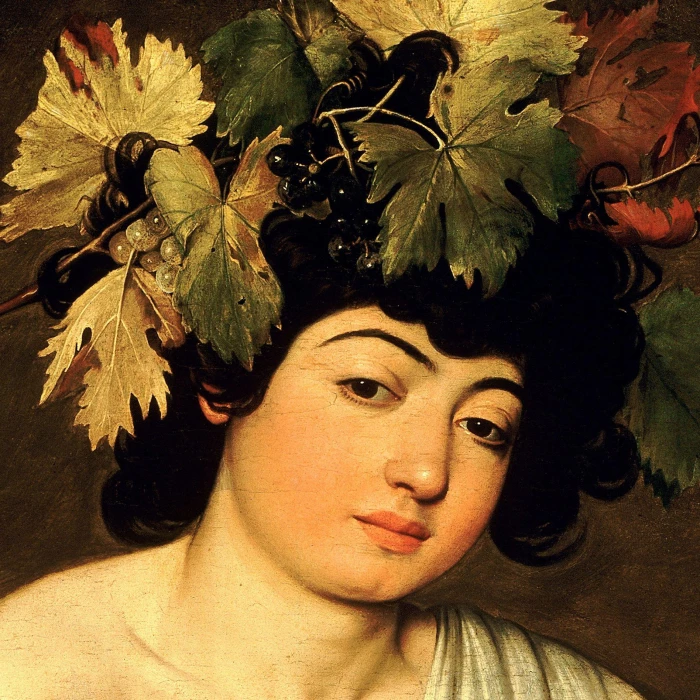
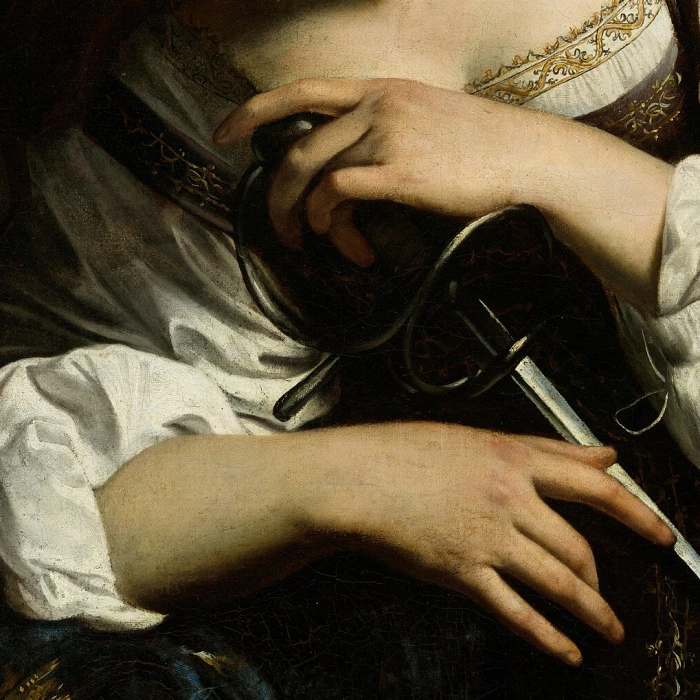
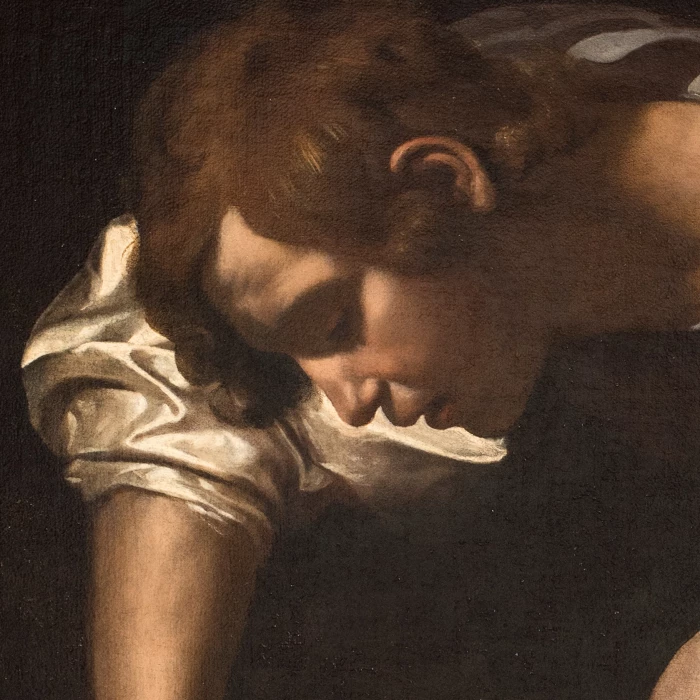
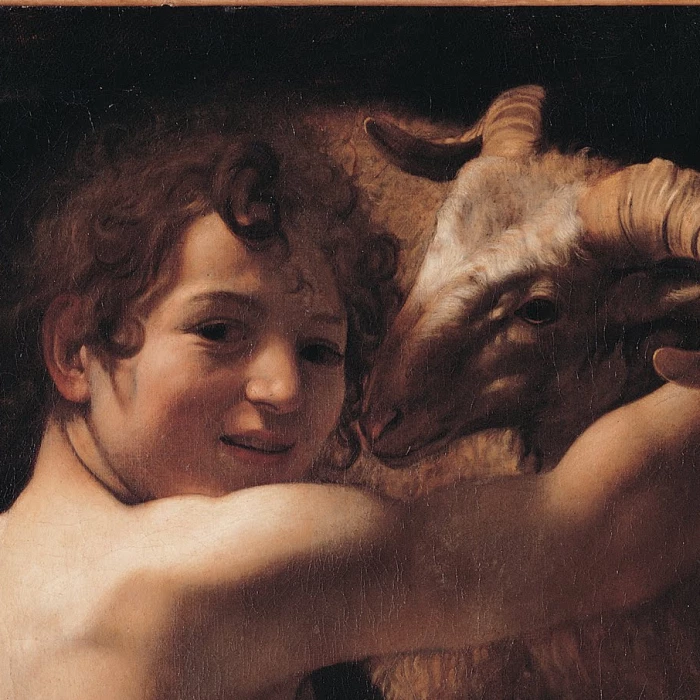
That apparently modest experience proved important. Caravaggio gave natural objects an exceptional pictorial dignity: fruit, flowers, vessels, fabrics and food are observed with such precision that they cease to be mere accessories. Early compositions featuring young men, musicians, card players, fortune-tellers and scenes drawn from everyday life include Boy with a Basket of Fruit, Boy Bitten by a Lizard, Bacchus, The Musicians, The Fortune Teller and The Cardsharps.
These paintings already reveal essential features of his art: models studied from life, resistance to idealisation, close scrutiny of objects, figures brought near the picture plane and light used as a structural element of the scene.
Cardinal Del Monte and Caravaggio's rise
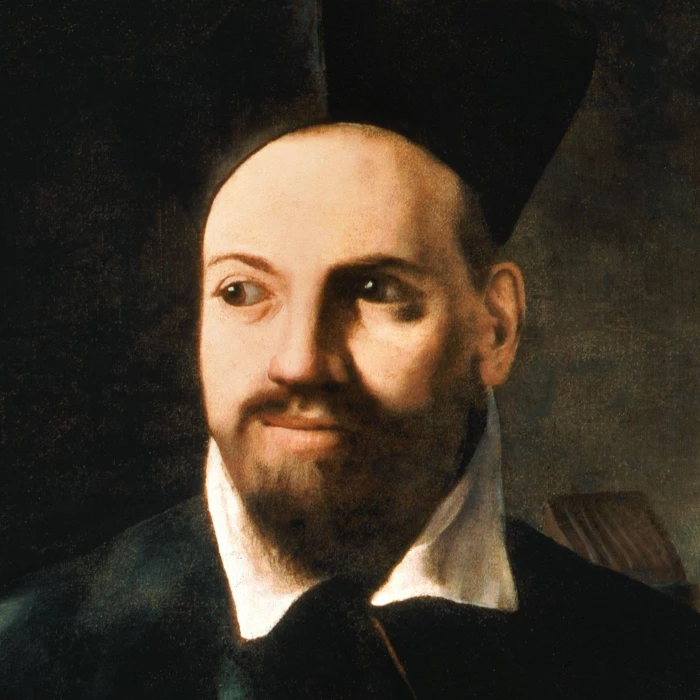
A decisive change came when his work attracted Cardinal Francesco Maria del Monte, an influential collector and cultivated patron. Del Monte offered the young painter protection and access to Roman aristocratic and ecclesiastical circles, placing him in contact with major collectors.
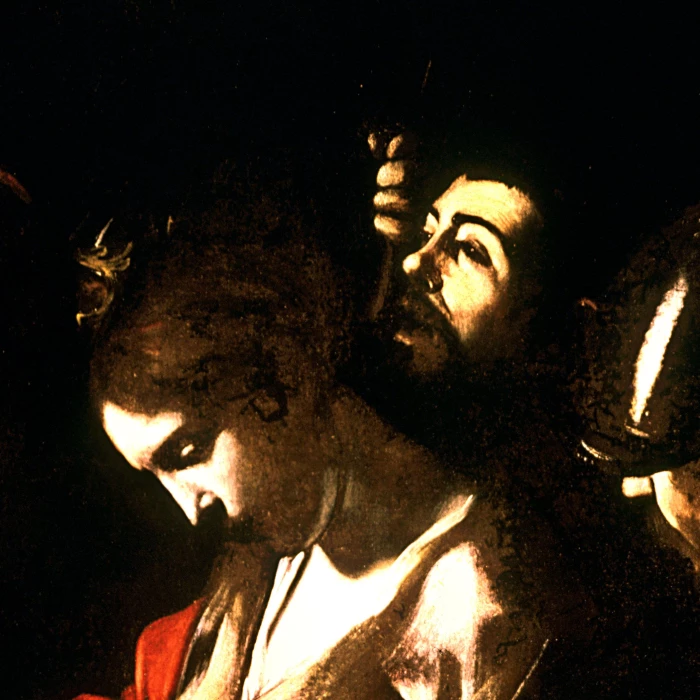
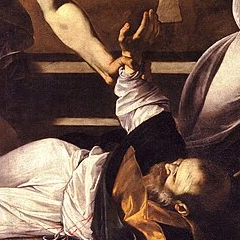
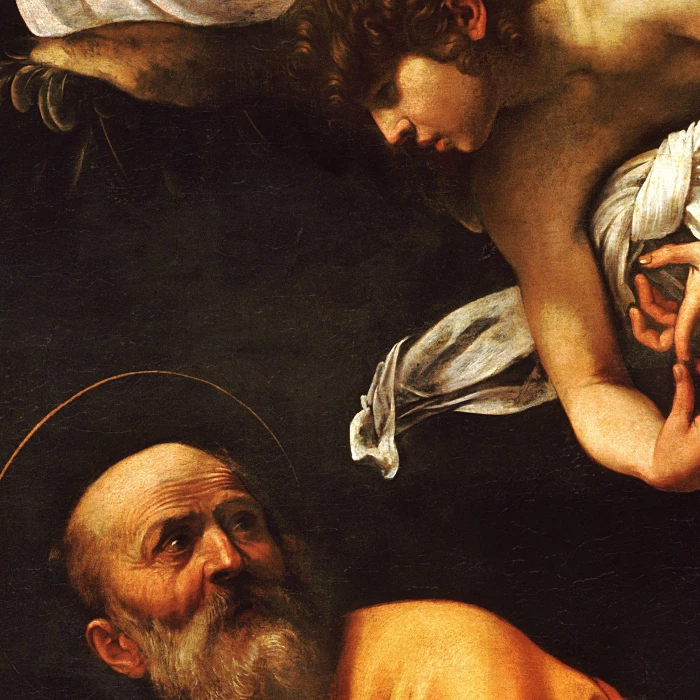
His great public opportunity was the commission for the Contarelli Chapel in San Luigi dei Francesi, devoted to episodes from the life of Saint Matthew. Caravaggio painted The Calling of Saint Matthew and The Martyrdom of Saint Matthew, later followed by Saint Matthew and the Angel. When the first paintings were unveiled in 1600, their impact was immense and Caravaggio became one of the most discussed painters in Rome.
A new way of representing the sacred
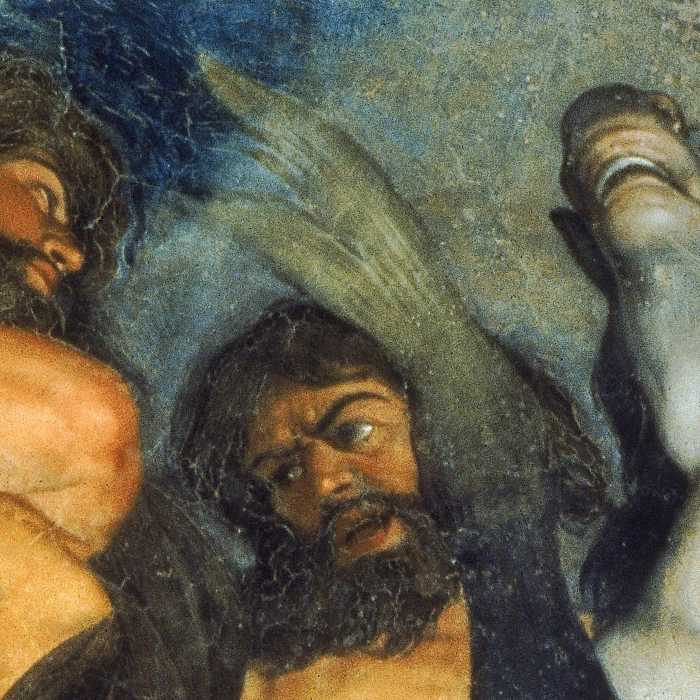
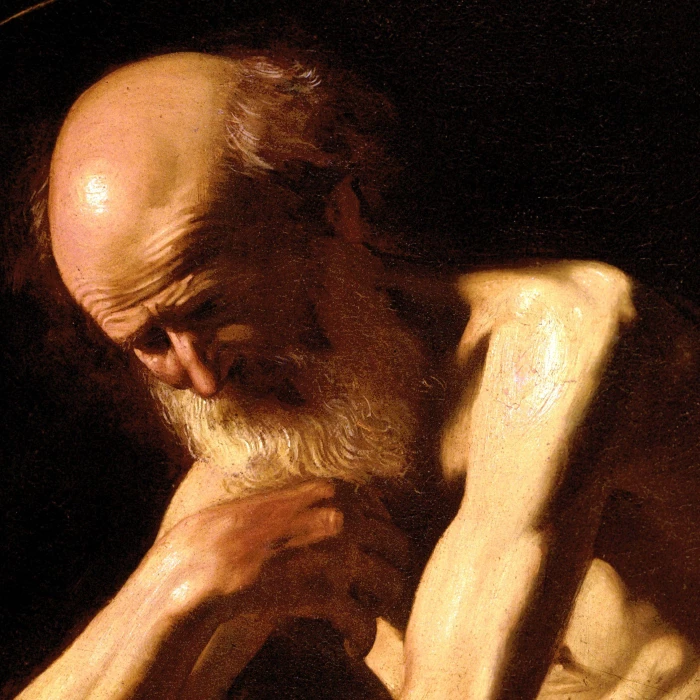
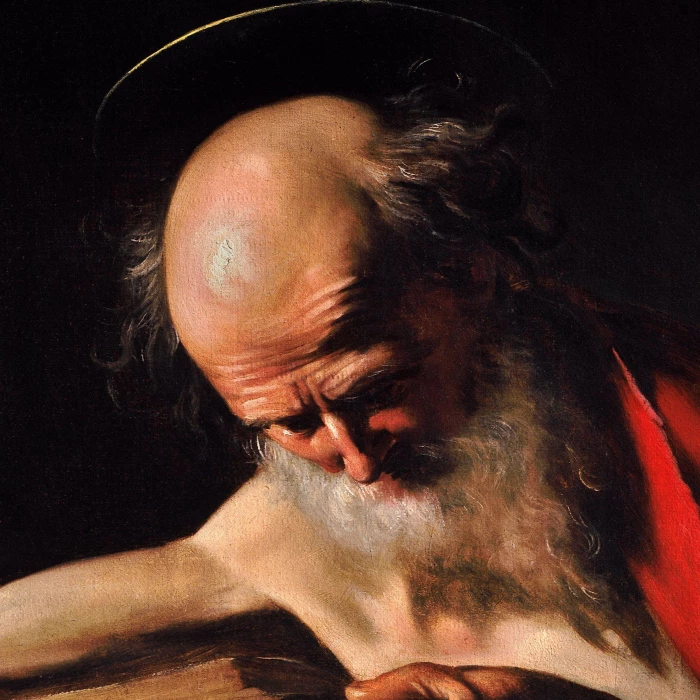
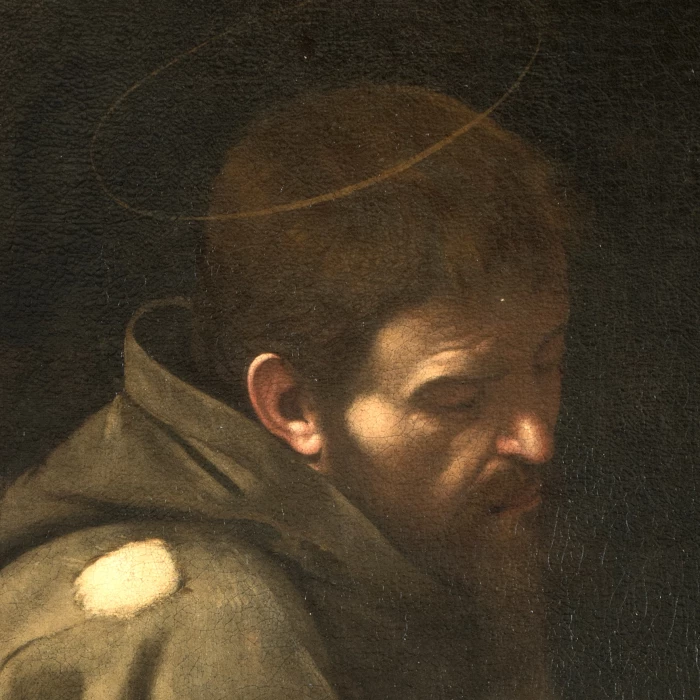
Caravaggio's revolution cannot be reduced to dark backgrounds and dramatic beams of light. More fundamentally, he brought sacred events into the spectator's world. Apostles, saints and biblical figures could have aged faces, dirty feet, wrinkles and humble clothing; the models belonged to the physical reality around him. Holy events no longer required idealised settings and could unfold in rooms resembling Roman dwellings or taverns.
In The Calling of Saint Matthew, Christ enters a room occupied by men largely dressed like Caravaggio's contemporaries. A forceful shaft of light crosses the space and transforms an apparently ordinary gesture into the instant of spiritual revelation. Making a remote event appear to happen before the viewer was one of his most consequential innovations.
Naturalism, chiaroscuro and tenebrism
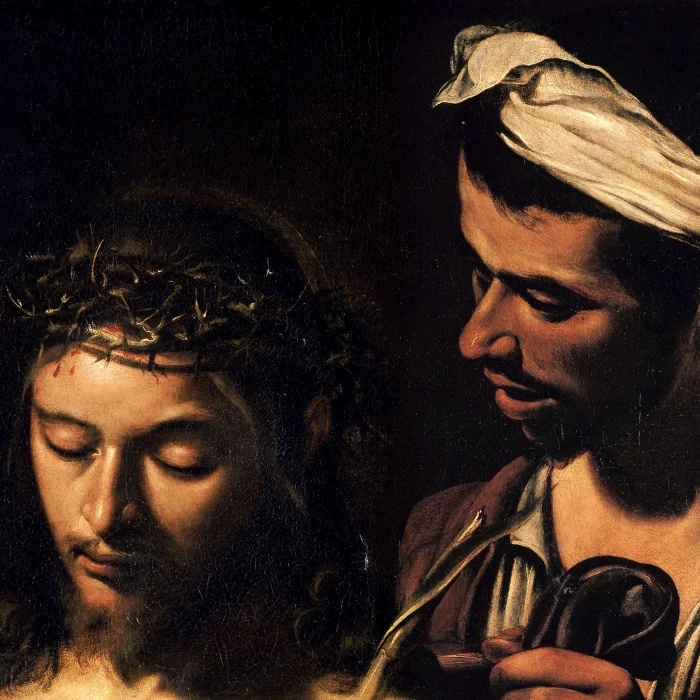
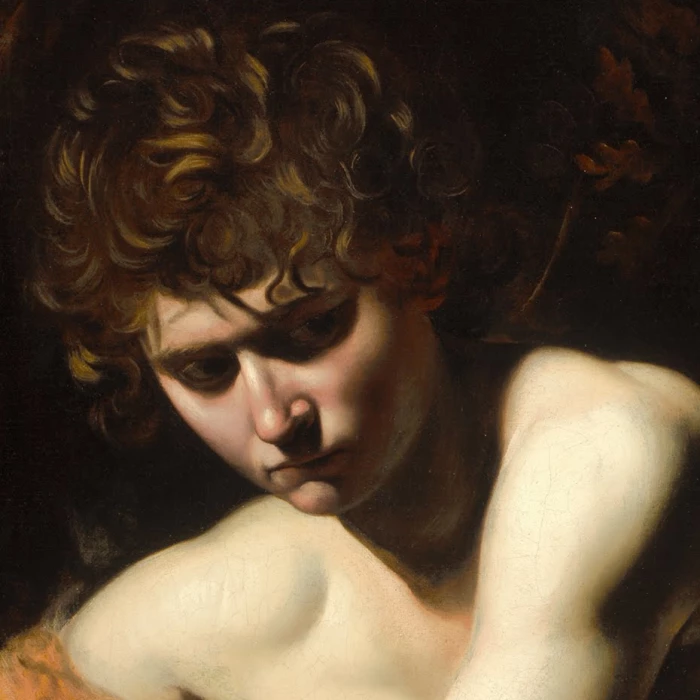
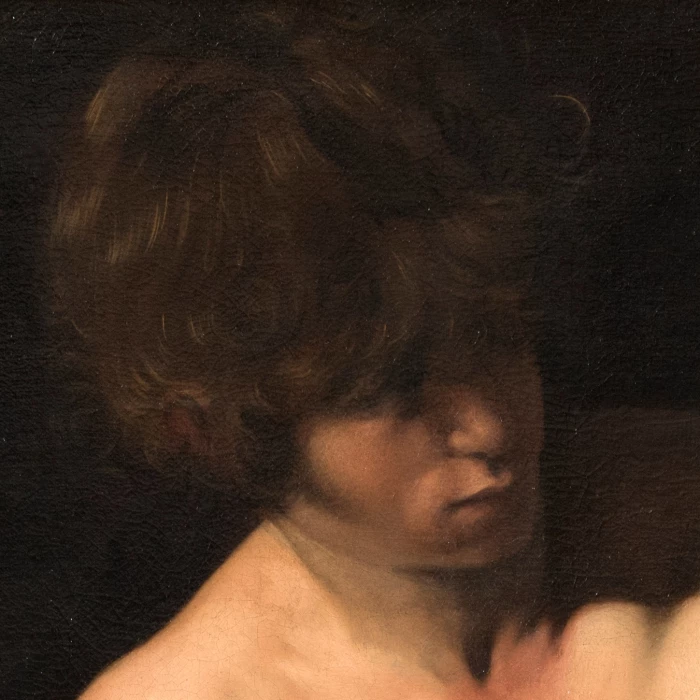
The most immediately recognisable aspect of Caravaggio's painting is its powerful opposition of light and darkness. Yet chiaroscuro and tenebrism should not simply be treated as synonyms. Chiaroscuro had long been used to model volume; Caravaggio pushed the principle much further, allowing large areas to disappear into deep shadow while concentrated illumination isolates selected bodies, faces and objects.
Light therefore performs two tasks. It is physical, giving form and weight to things, but also narrative and symbolic, directing attention to the decisive element of the story. Illumination becomes a means of controlling narrative time: the viewer feels that the action has been arrested at its crucial instant.
This is inseparable from Caravaggio's naturalism. His reliance on living models and direct observation challenged the idealising assumptions that remained powerful within Renaissance artistic theory.
Painting constructed from reality
Caravaggio did not merely copy nature. His pictures are highly constructed: models, gestures, objects, positions and illumination are carefully selected and organised. What distinguishes his method is the raw material from which this construction begins.
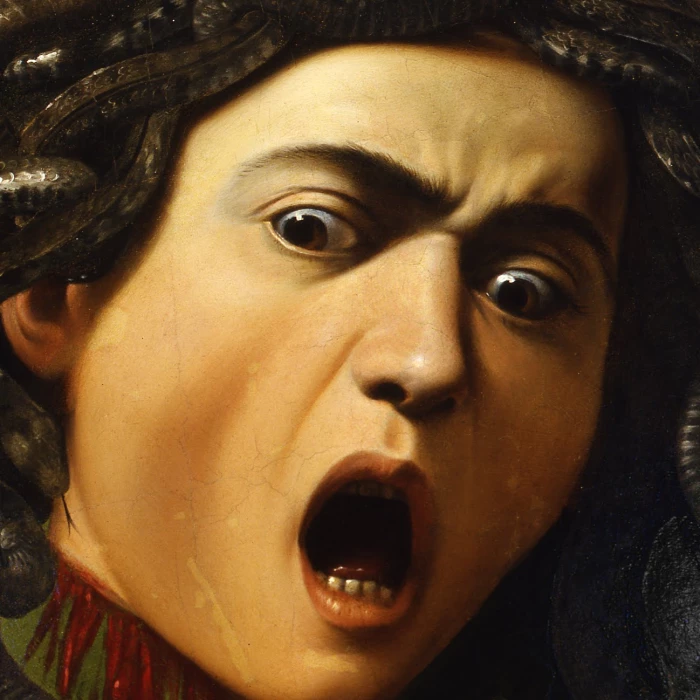
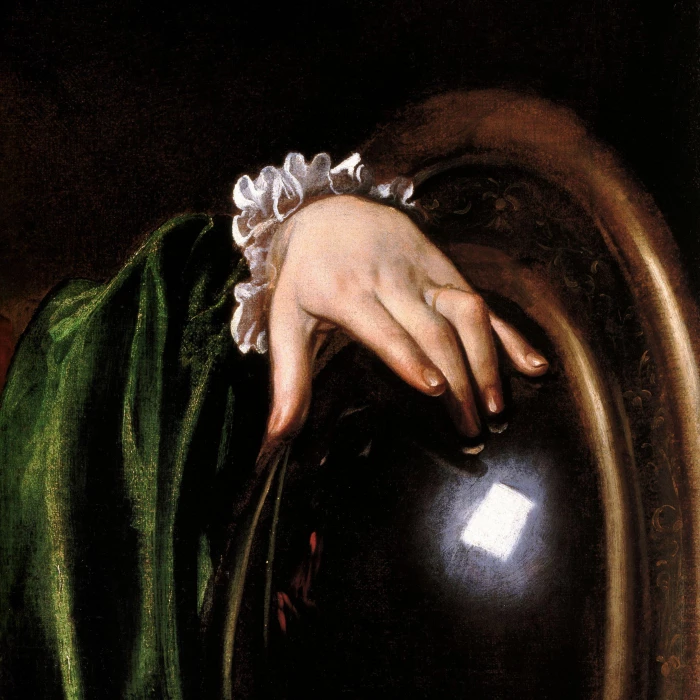
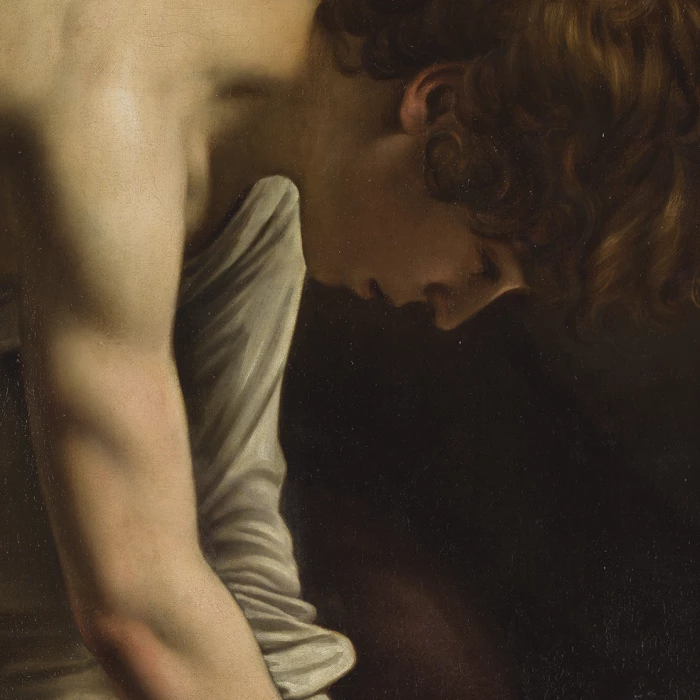
Instead of deriving beauty primarily from classical ideals, he worked from real bodies. Fingernails, wrinkles, dirt, wounds and expressions of fear, surprise, pain or exhaustion all belong within the pictorial language. Still life acquired a comparable importance. According to the collector Vincenzo Giustiniani, Caravaggio held that painting flowers could demand as much skill as painting figures. His scrutiny of fruit and ordinary objects would have a lasting impact on Italian and Spanish painting.
The high point in Rome
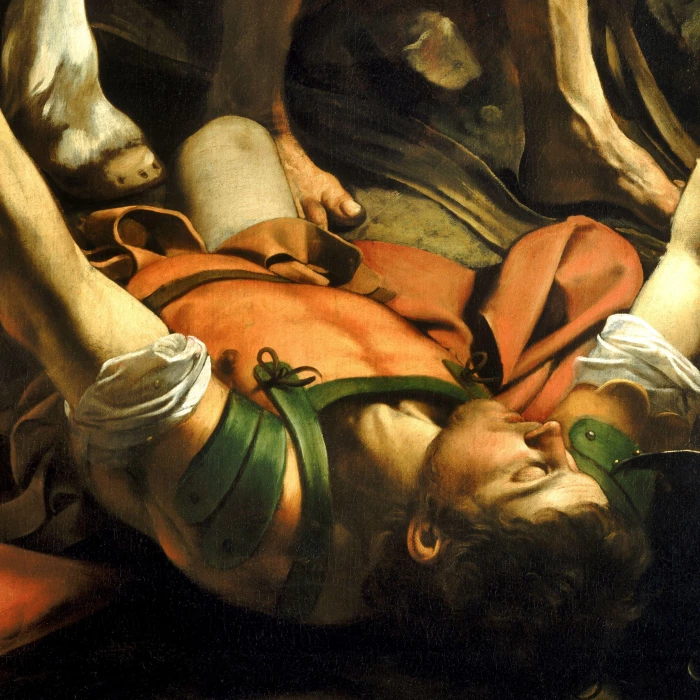
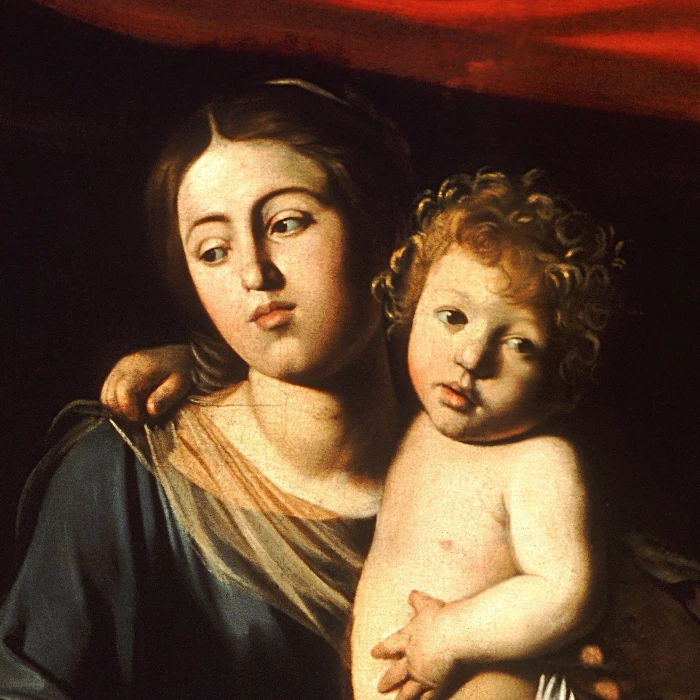
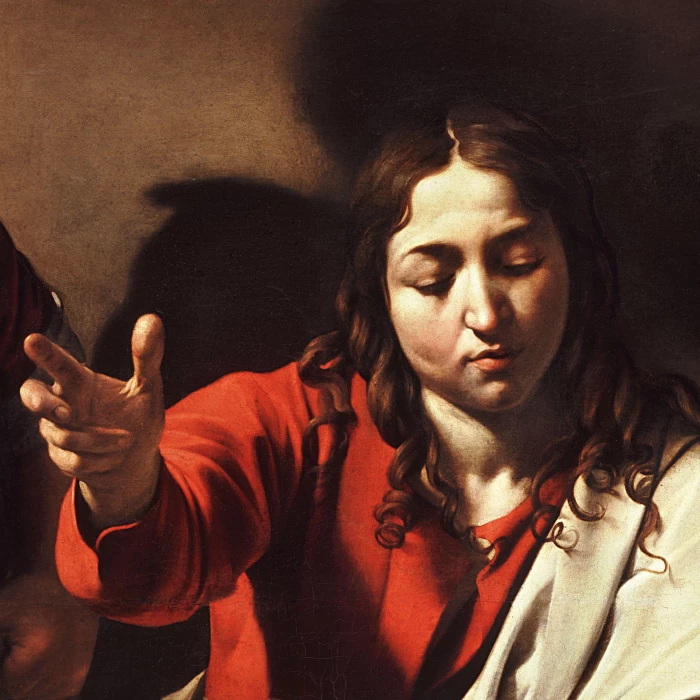
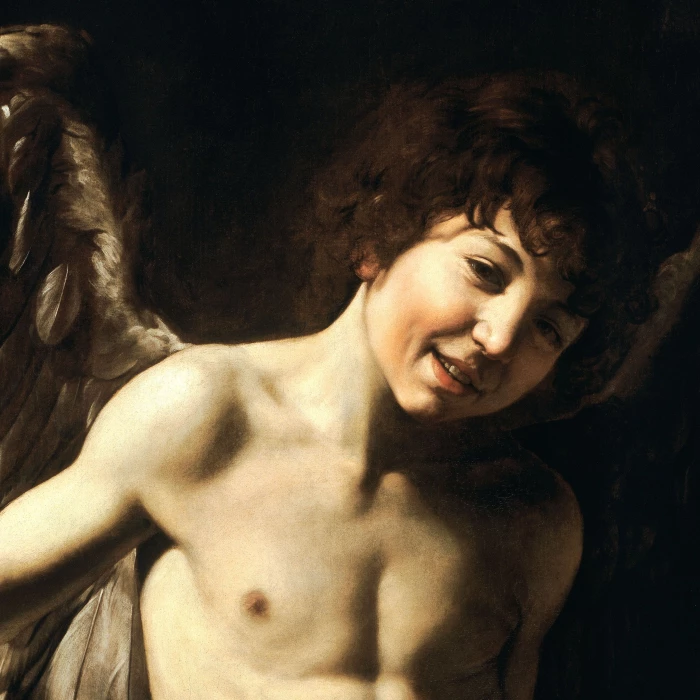
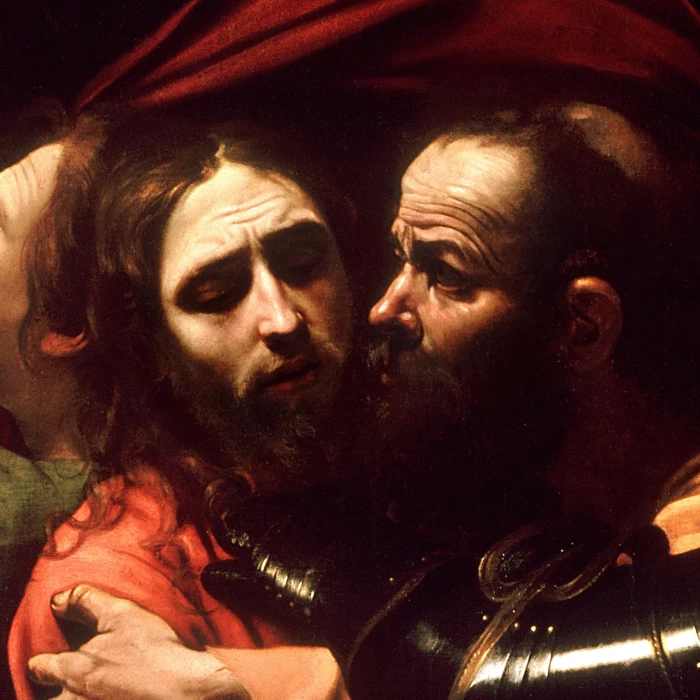
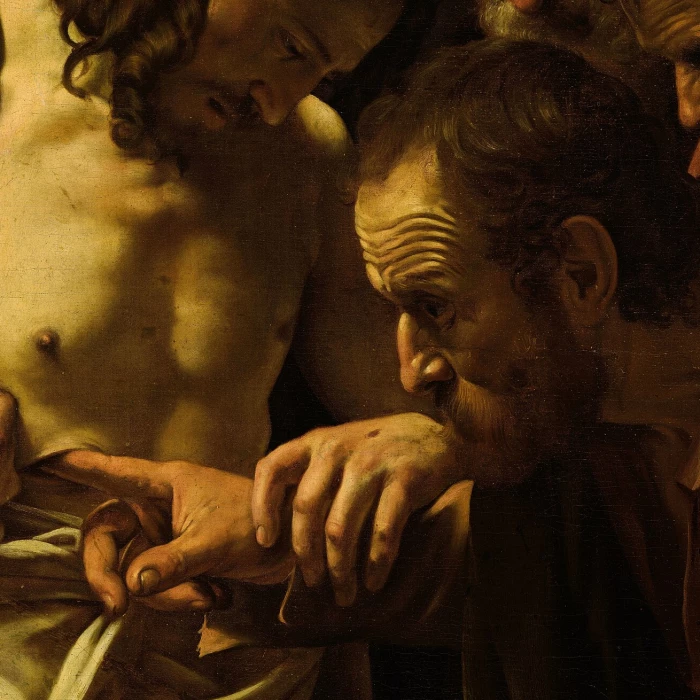
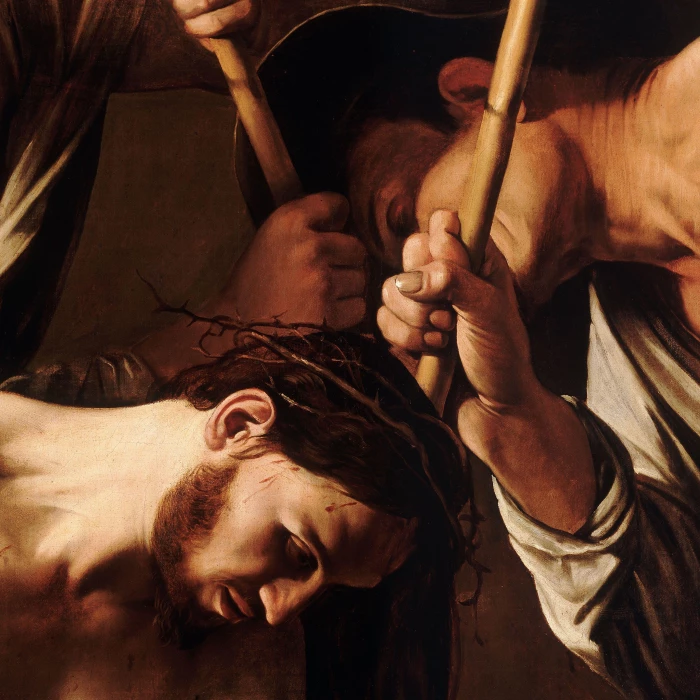
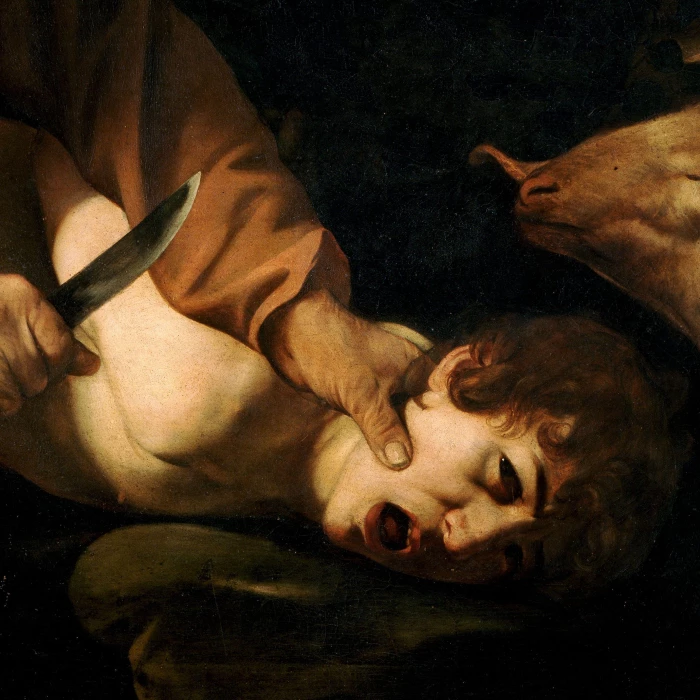
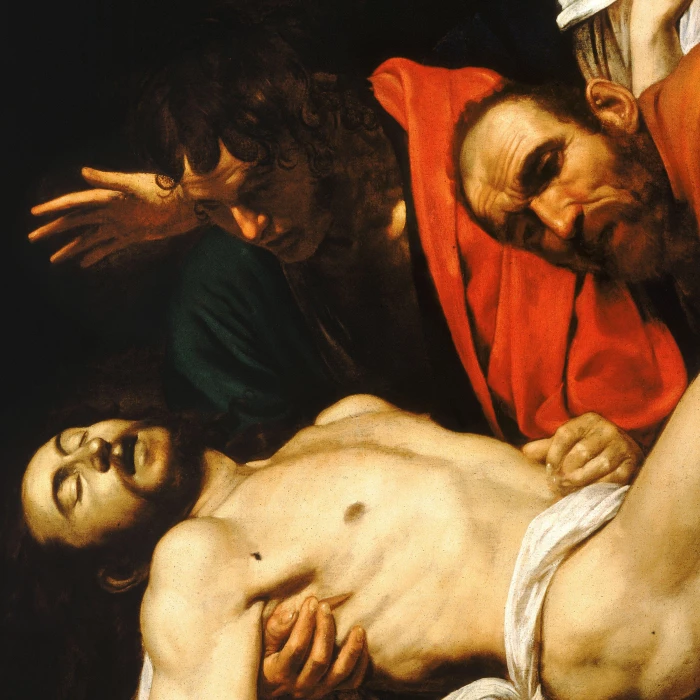
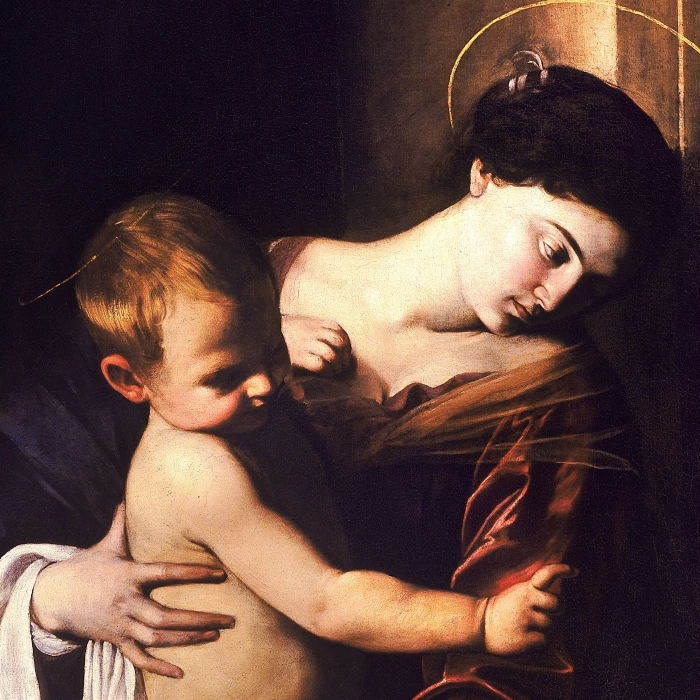
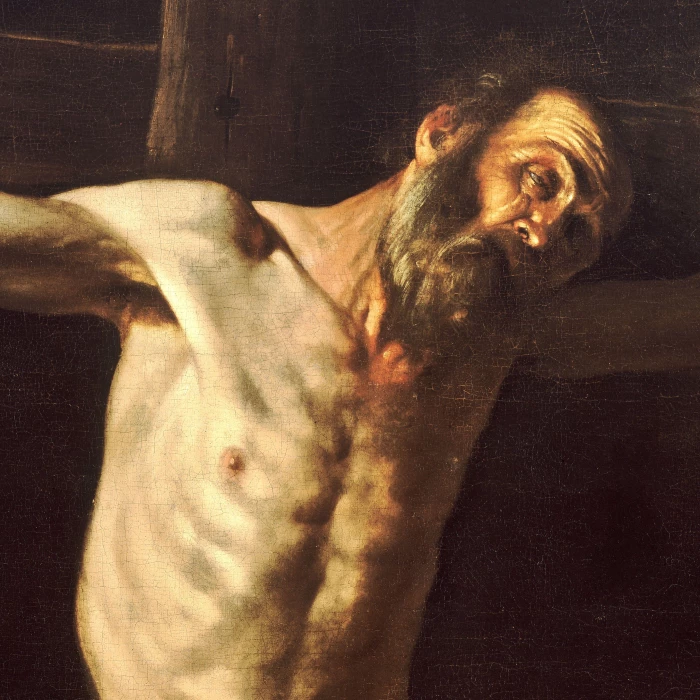
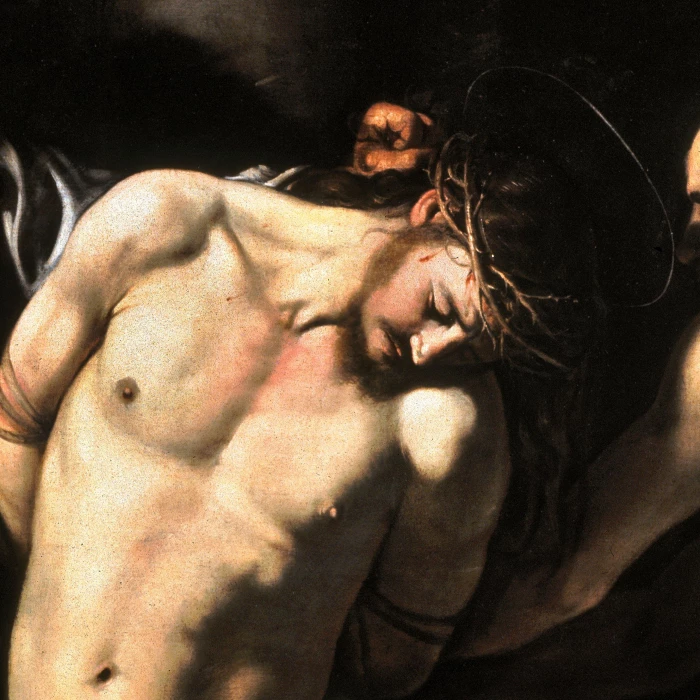
The success of the Contarelli Chapel brought major commissions. Among the masterpieces of these years are The Crucifixion of Saint Peter, The Conversion of Saint Paul, Supper at Emmaus, The Taking of Christ, The Sacrifice of Isaac, Amor Victorious, The Incredulity of Saint Thomas, Madonna of Loreto, The Entombment of Christ and The Death of the Virgin.
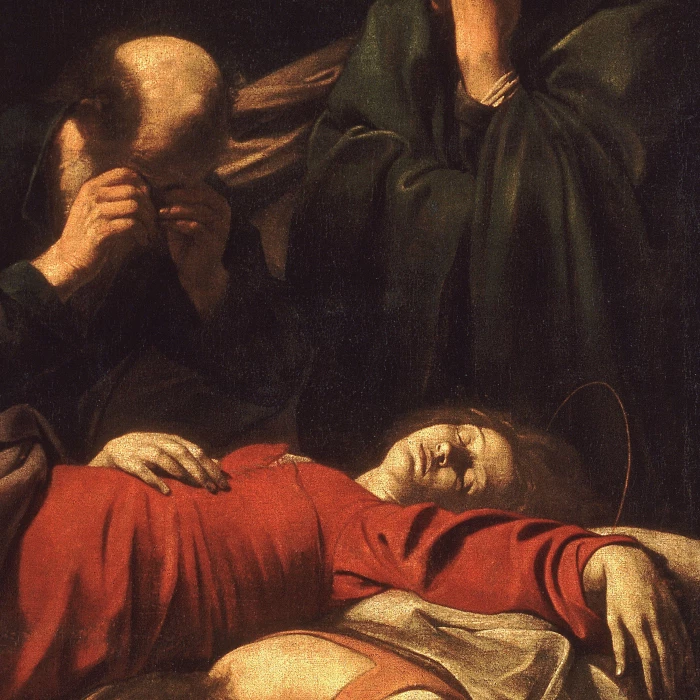
At the height of his career, however, some paintings provoked controversy or were rejected by their patrons. The issue was not necessarily irreligion. Caravaggio could make religious experience almost uncomfortably physical: death looked like death, suffering had bodily weight, saints could resemble poor men and the Virgin could appear as a dead woman bearing the visible signs of death.
The Death of the Virgin is a particularly telling case. Instead of an idealised Mary, Caravaggio presented the painful presence of a corpse surrounded by figures absorbed in grief. The tension between physical truth, iconographic tradition and devotional purpose lies at the heart of much of his religious painting.
Conflict and violence
Caravaggio's artistic success ran parallel to an increasingly turbulent life. Judicial records document disputes, assaults and repeated trouble with the authorities. He was known to carry weapons and frequently became involved in confrontations.
In 1603 he was involved in the famous proceedings concerning his rival Giovanni Baglione; Orazio Gentileschi testified in the case, confirming personal acquaintance with Caravaggio. The crisis came on 28 May 1606, when Caravaggio took part in a violent encounter in which Ranuccio Tomassoni was killed. The precise circumstances remain debated, but the consequence is clear: Caravaggio had to flee Rome under a capital sentence.
The final and most dramatic phase of his life had begun.
First Neapolitan period
After seeking protection outside Rome, Caravaggio reached Naples in 1606. His presence had enormous consequences for Neapolitan painting. Naturalism, dramatic staging and strong contrasts of light associated with his art became central to the city's seventeenth-century school.
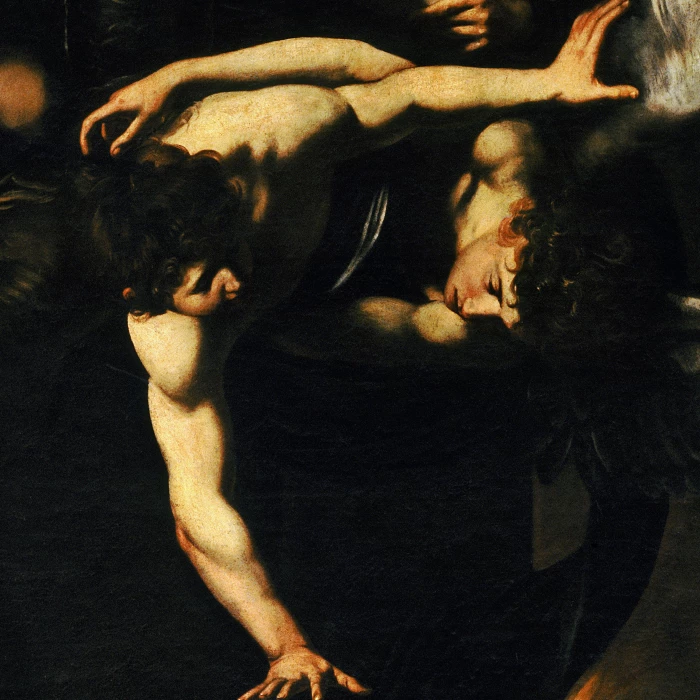
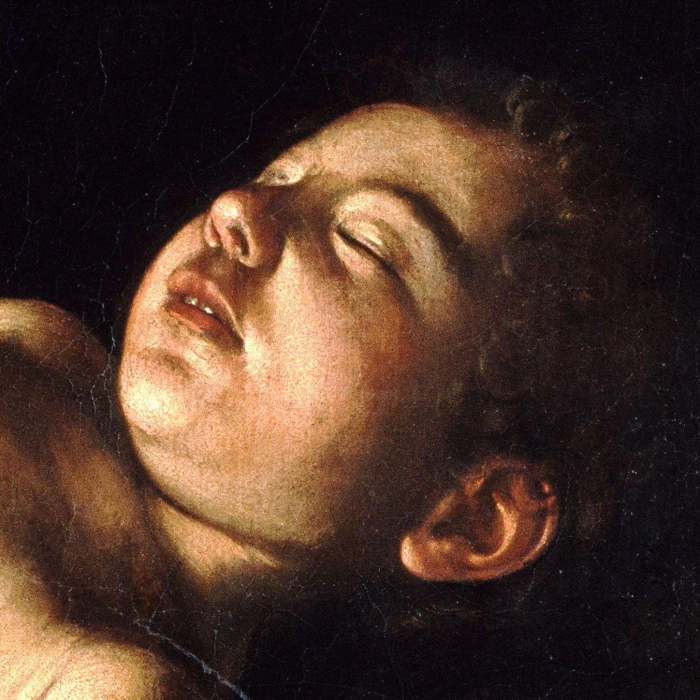
One of the great works of this period is The Seven Works of Mercy, in which several acts of charity unfold simultaneously within a crowded nocturnal setting. His style was also changing: compositions became more grave, and darkness occupied an increasingly large part of the painted surface.
Malta
In 1607 Caravaggio left Naples for Malta. His motives were probably not purely artistic. Membership of the Order of Saint John could improve his social standing and provide powerful support for a papal pardon that might allow his return to Rome.
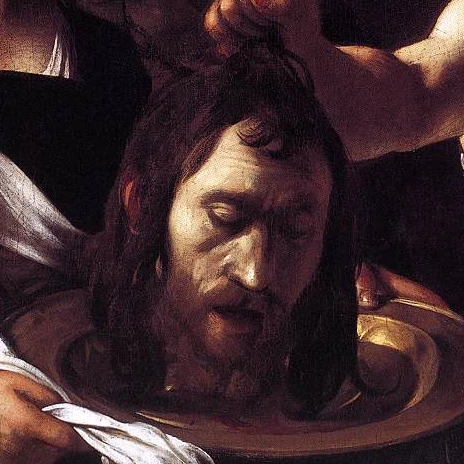
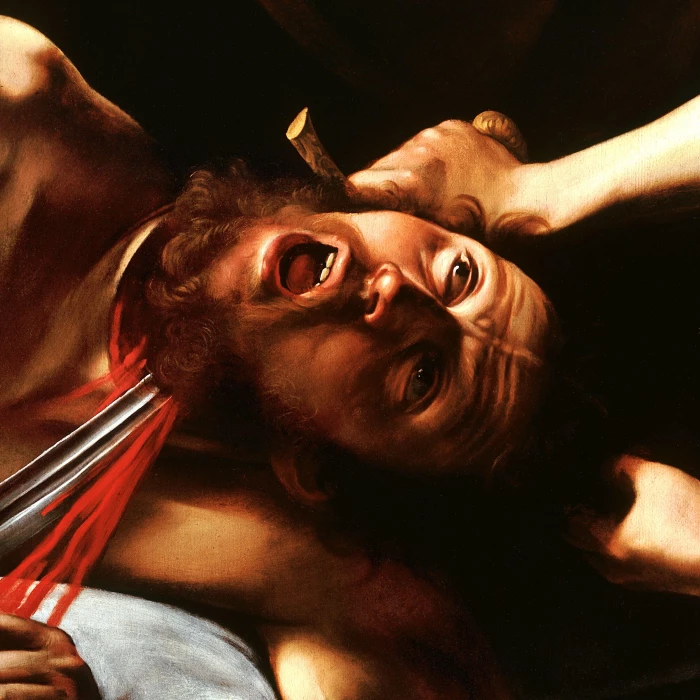
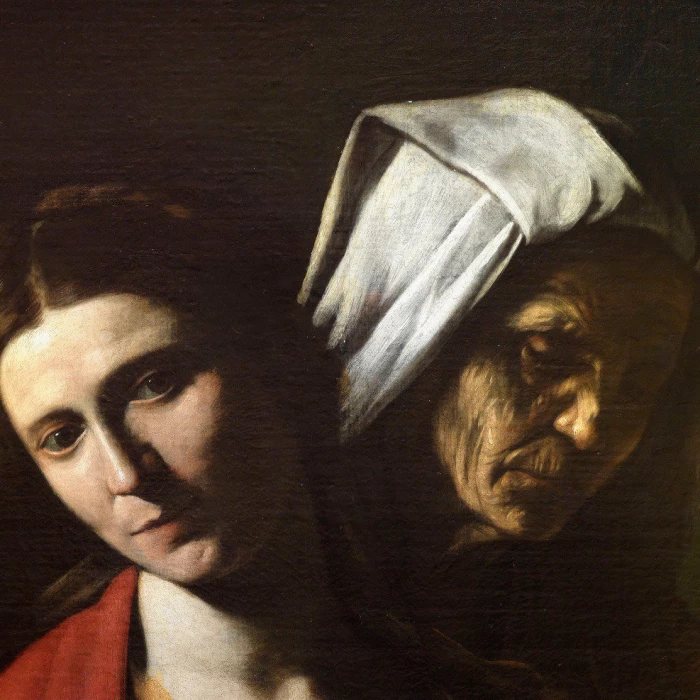
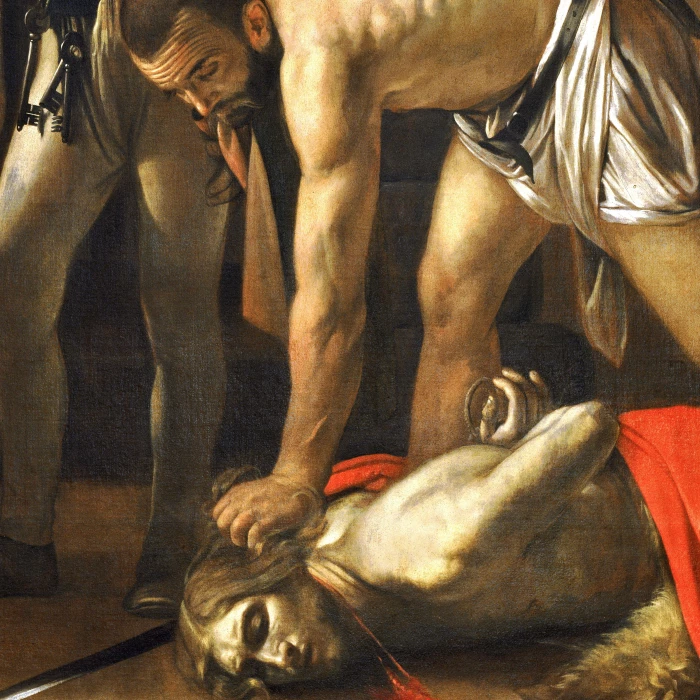
He received important commissions and painted one of his supreme achievements, The Beheading of Saint John the Baptist, for the Oratory of Saint John in Valletta. The vast empty space, bare architecture, concentration of figures around the Baptist's body and restrained violence create an effect far removed from the theatrical energy of some Roman works. The execution has already taken place; the picture is concerned less with frantic action than with its aftermath. It is also the only known painting signed by Caravaggio, his name dramatically incorporated into the blood flowing from the victim.
His Maltese success was short-lived. After another serious incident he was imprisoned, escaped from Malta and was formally expelled from the Order.
Sicily
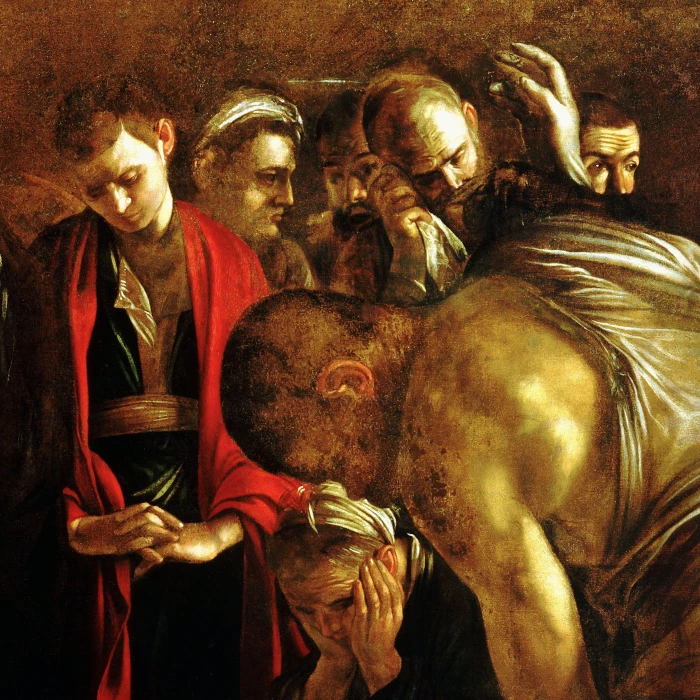
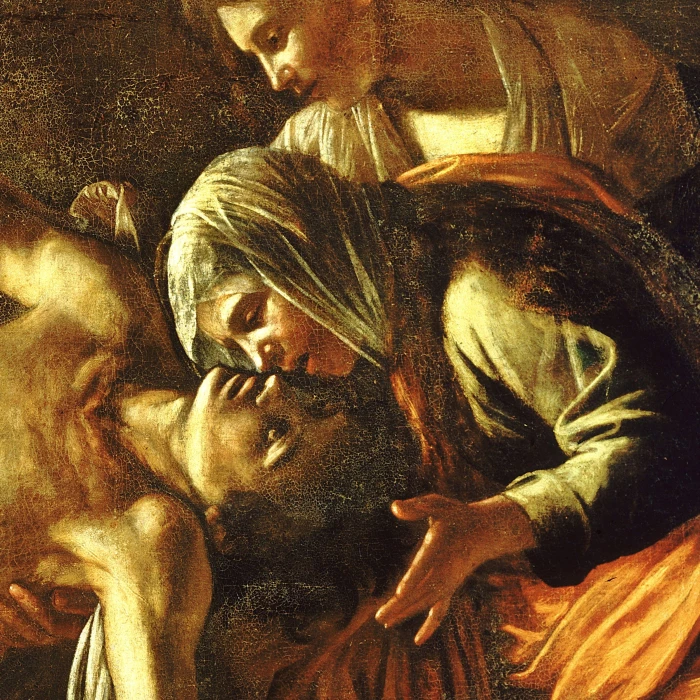
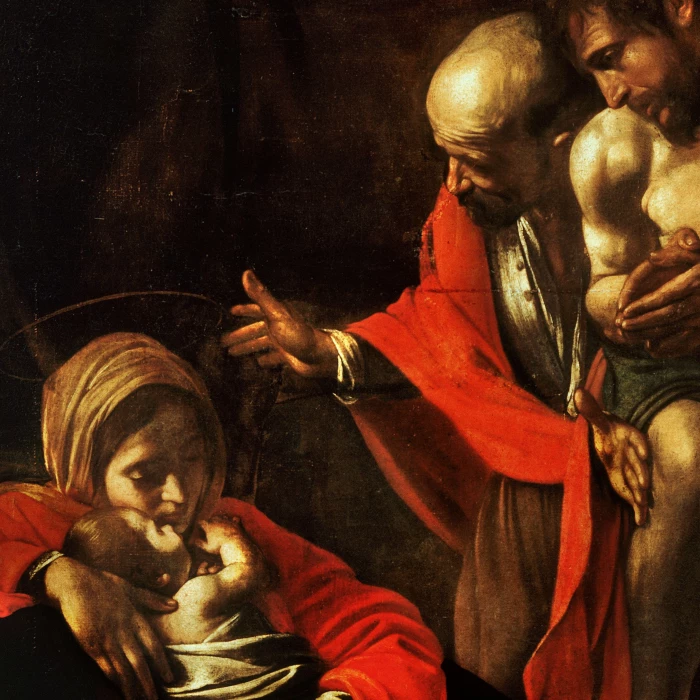
After his escape Caravaggio travelled through Sicily, working in Syracuse, Messina and Palermo. Paintings from this phase include The Burial of Saint Lucy, The Raising of Lazarus and The Adoration of the Shepherds.
His late style became increasingly austere. Figures occupy a smaller proportion of the composition, empty backgrounds expand, brushwork grows faster and more synthetic, and darkness becomes almost a physical space surrounding the protagonists. The monumentality of the Roman years gives way to a quieter, more unsettling and psychological form of painting.
Return to Naples
Caravaggio returned to Naples in 1609, still seeking the pardon that would permit him to go back to Rome. During this period he suffered a violent assault and was seriously wounded.
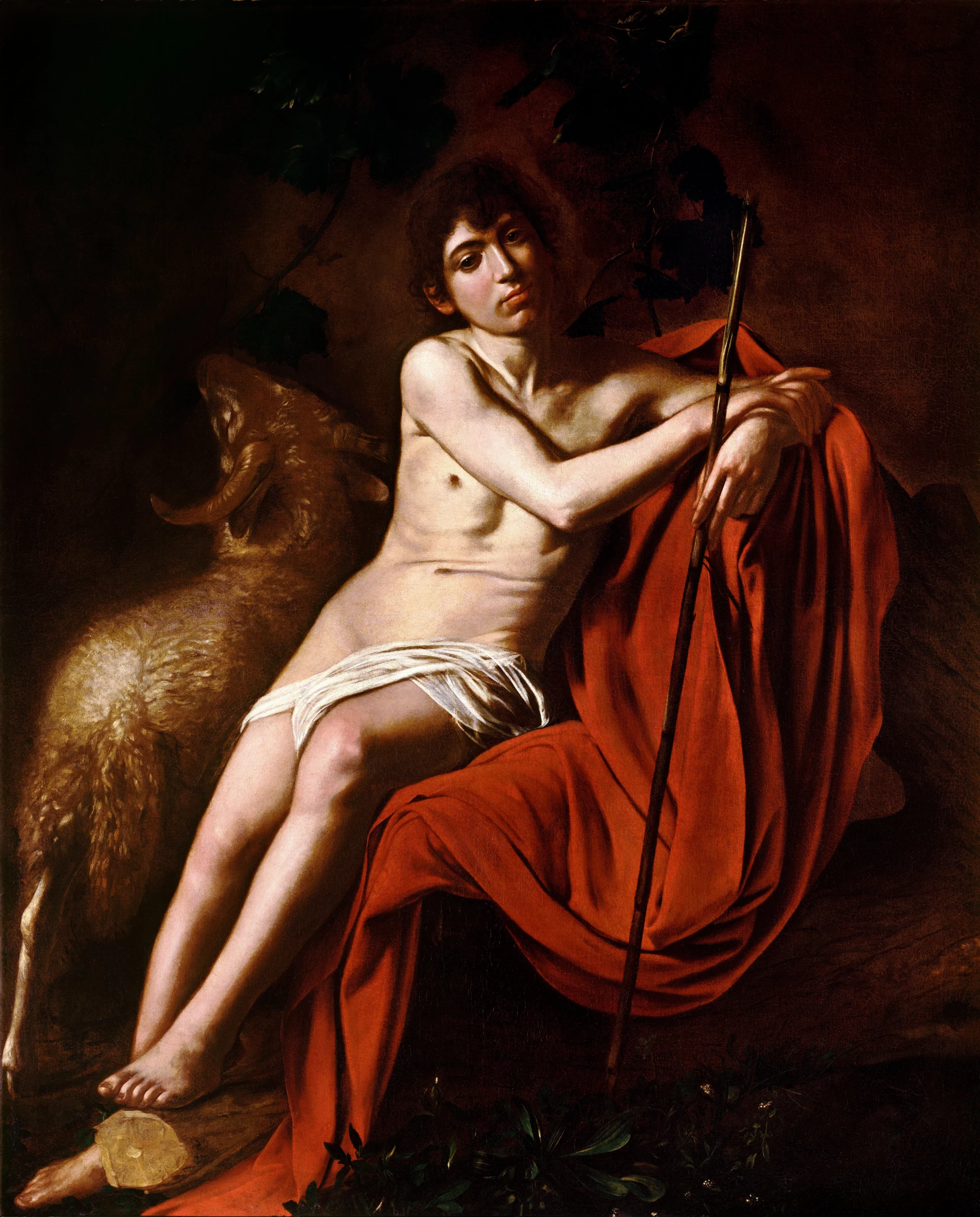
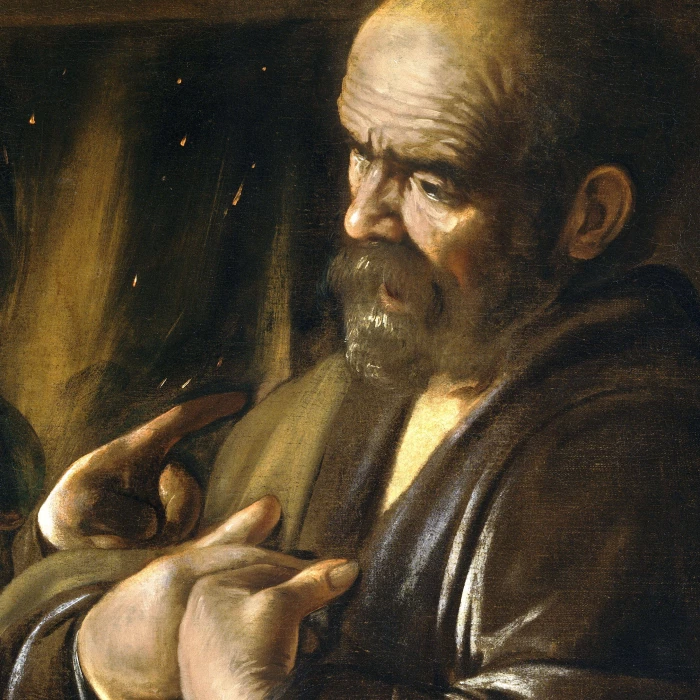
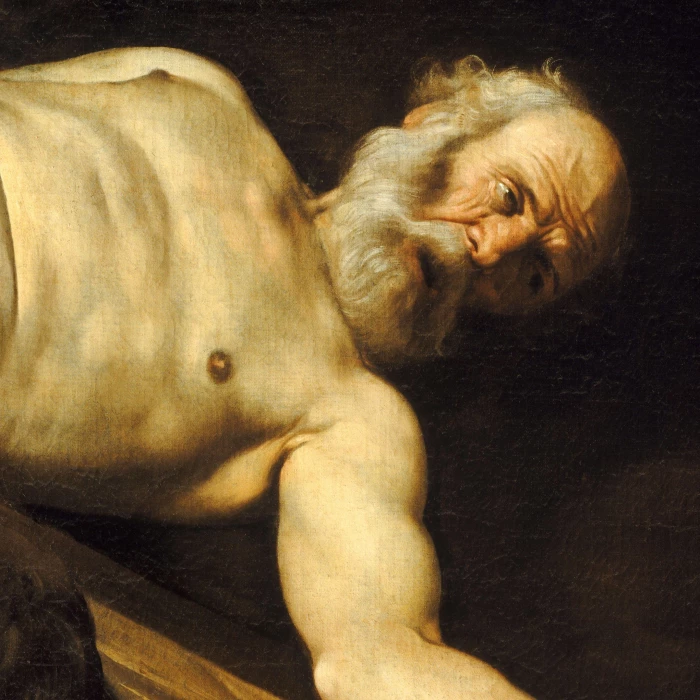
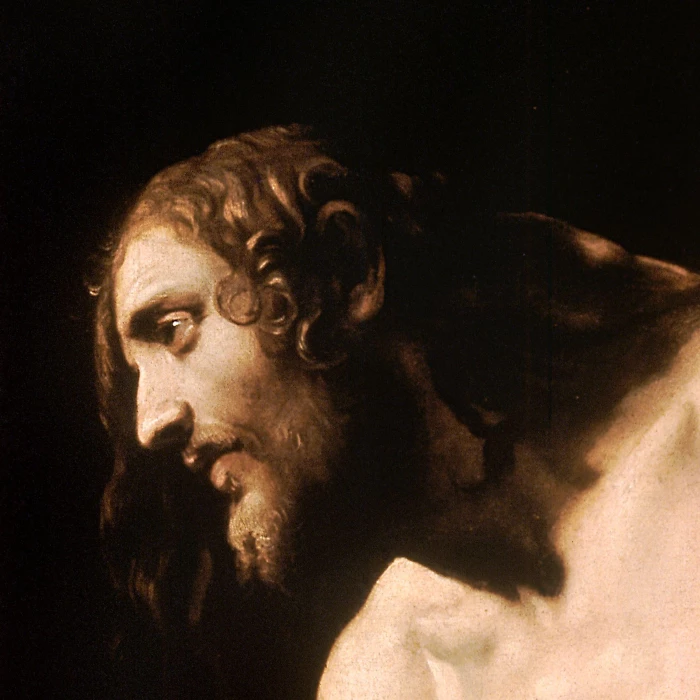
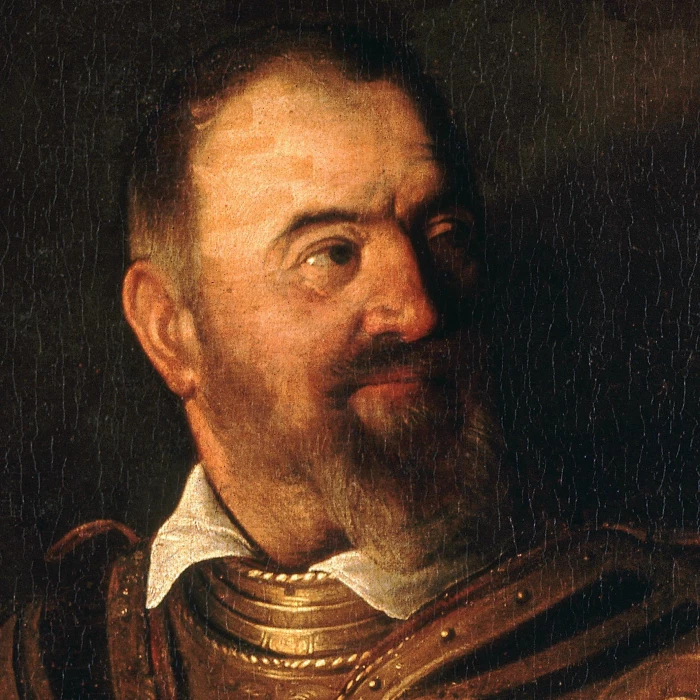
His last works possess exceptional psychological intensity. They include The Denial of Saint Peter, The Martyrdom of Saint Ursula and several compositions involving Salome and Saint John the Baptist. Minute naturalistic description becomes less dominant while the inner presence of the figures gains force.
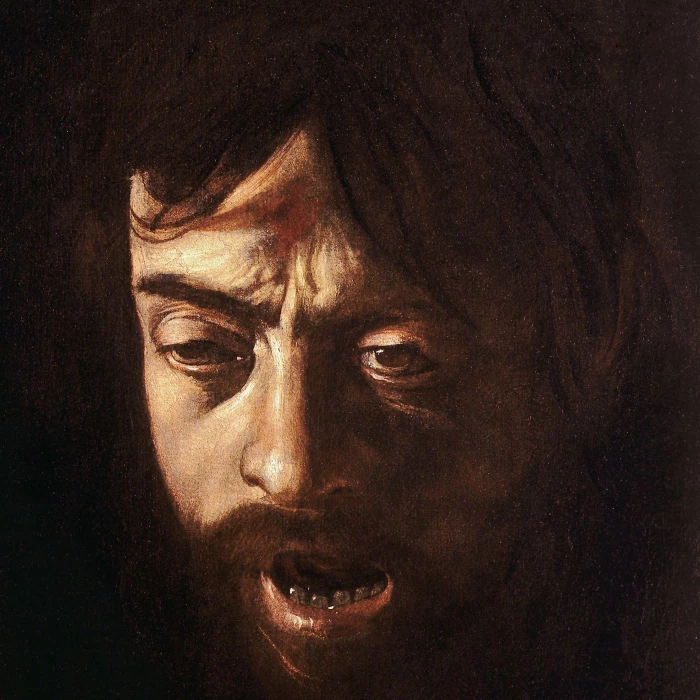
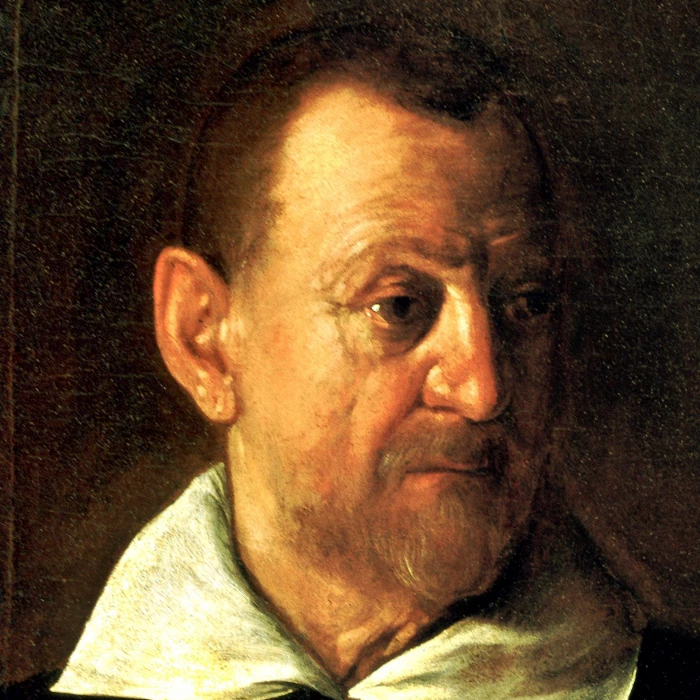
David with the Head of Goliath is especially revealing. Goliath's face has traditionally been interpreted as a self-portrait of Caravaggio. David looks upon the defeated man not with triumph but with a troubling mixture of compassion and sorrow, which has encouraged readings of the picture as a meditation on guilt, punishment and forgiveness.
The final journey and death
In 1610 Caravaggio received news suggesting that a papal pardon was near and set out towards Rome. The events of his final days are confused and have produced competing reconstructions. During the journey he encountered further difficulties and eventually reached the Tuscan coast.
Caravaggio died on 18 July 1610, his death traditionally associated with Porto Ercole. He was thirty-eight. Modern documentary and scientific research has revised several aspects of the story, but uncertainty remains over some of his final movements. The bitter irony is that the pardon he had sought arrived too late.
Fundamental characteristics of his style
Caravaggio's painting can be understood through several interlocking principles. The first is naturalism: his figures possess a concrete physical presence and do not necessarily conform to classical ideals of beauty. The second is direct observation: faces, bodies, fruit, fabrics, weapons, food and ordinary objects all receive serious pictorial attention.
A third principle is dramatic light, which selects what the viewer should see and gives the scene its psychological structure. A fourth is darkness, particularly in the mature and late works, where it becomes an active compositional element rather than mere absence of illumination. A fifth is proximity: figures are often pushed close to the picture plane, making the spectator feel that they share the same space.
Equally important is Caravaggio's preference for the decisive instant. Matthew realises that Christ is calling him; Thomas places his finger in the wound; Isaac is moments from sacrifice; Holofernes understands that he is dying. In the late works, psychology becomes still more pronounced, as figures seem absorbed in fear, guilt, resignation, pain or compassion.
Caravaggio and the Baroque
Caravaggio is commonly regarded as one of the central figures in the emergence of Baroque painting, although his position within that development is distinctive. Where other forms of the Baroque favoured expansive compositions, open architecture and exuberant movement, much of Caravaggio's revolution was achieved through apparently simple means: real bodies, enclosed spaces, dark backgrounds, exact gestures and rigorously controlled light.
His art established a new relationship between reality, representation and spectator. The depicted event no longer belongs exclusively to a distant world; it appears to enter the viewer's own space. That principle would have enormous consequences for seventeenth-century European painting.
Caravaggism
Caravaggio founded no organised school and left no workshop comparable to those of many other masters, yet his influence was immense. After the success of the paintings in San Luigi dei Francesi, artists studied and adapted his methods. Some took up the dark backgrounds, others the directional lighting, popular models or scenes of tavern and everyday life. This broad phenomenon later became known as Caravaggism.
Artists connected in different ways with his example include Orazio Gentileschi, Artemisia Gentileschi, Bartolomeo Manfredi, Carlo Saraceni, Valentin de Boulogne and Georges de La Tour. His impact was particularly powerful in Naples, reaching painters such as Jusepe de Ribera, and extended across Italy, France, the Netherlands and Spain. Even painters who cannot simply be labelled Caravaggists worked within a visual culture that he had helped transform.
Sources of influence and legacy
Caravaggio stands at the intersection of several traditions. From Lombardy came a visual culture deeply interested in nature and in human reality outside idealised conventions. Northern Italian, and especially Venetian, painting contributed a sensitivity to colour and to the construction of form through light. In Rome he encountered the Renaissance tradition, classical antiquity and an intensely competitive artistic environment.
Yet he transformed these elements into a language unmistakably his own. His achievement cannot be reduced to tenebrism. His deeper revolution lay in showing that ordinary experience could become the vehicle of the extraordinary. A man at a table could become Saint Matthew; a tired old man an apostle; a woman from the streets a sacred figure; a dark room the setting for divine revelation. Reality did not need to be beautified before it could possess grandeur.
Caravaggio between myth and history
Caravaggio's personality has contributed greatly to his fame. Fights, weapons, imprisonment, killing, flight and premature death provide all the ingredients of the romantic image of the cursed artist. But that image becomes misleading when it is used as an automatic explanation of the paintings.
Soon after his death, writers began linking the darkness of his art with an allegedly dark temperament; Bellori later developed this interpretation. Modern scholarship is far more cautious about drawing direct lines between personality and style. Caravaggio was not a great painter because his life was violent. He was a great painter because he developed an exceptionally original conception of representation.
Biography helps explain the circumstances in which he worked, especially during the years of flight, but the force of his pictures arises from deliberate artistic decisions: composition, models, light, colour, space, gesture and the selection of the narrative instant.
A revolution that outlived the painter
When Caravaggio died in 1610 he was still a relatively young man, but the transformation he had set in motion was already irreversible. During the following decades artists across Europe studied his paintings and developed different forms of his naturalism and dramatic illumination. His influence was strongest in Rome and Naples but also reached France, Spain and the Netherlands.
One of his greatest innovations was to alter the distance between painting and spectator. A religious scene could once invite the viewer to contemplate a sacred event from outside. With Caravaggio, the spectator can feel present as it happens. Light enters a room, strikes a face, reveals a hand, crosses a body and abandons the rest to darkness. The figures seem to breathe in front of us; suffering ceases to be an abstraction and becomes a physical experience.
Much of Caravaggio's modernity lies there. More than four centuries after his death, his paintings retain an extraordinary immediacy because he understood that painting could do more than recount a story: it could make the viewer feel inside it.
Primeros años romanos
1592–1595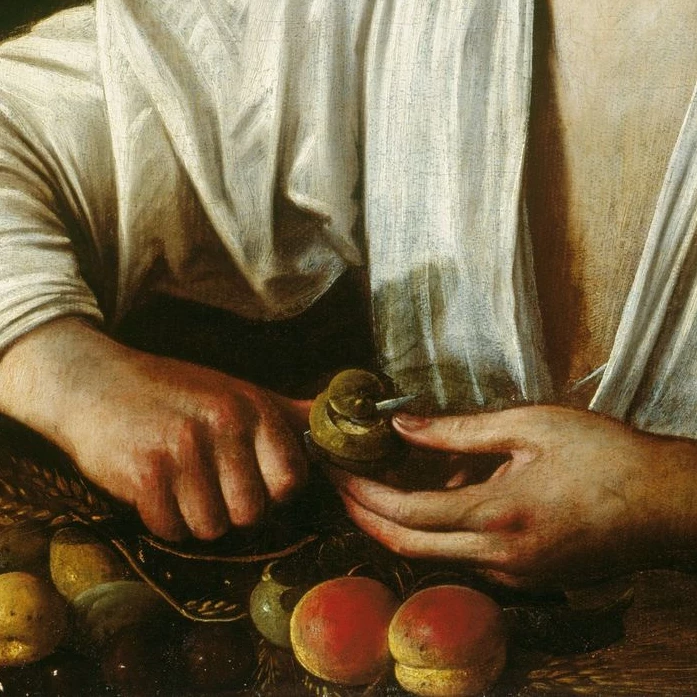
Madurez romana temprana
1595–1599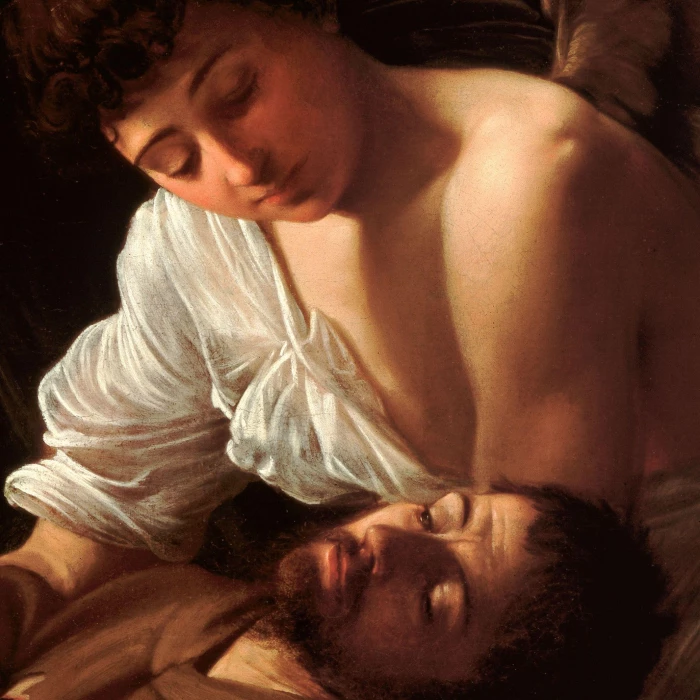
Madurez Romana
1599–1606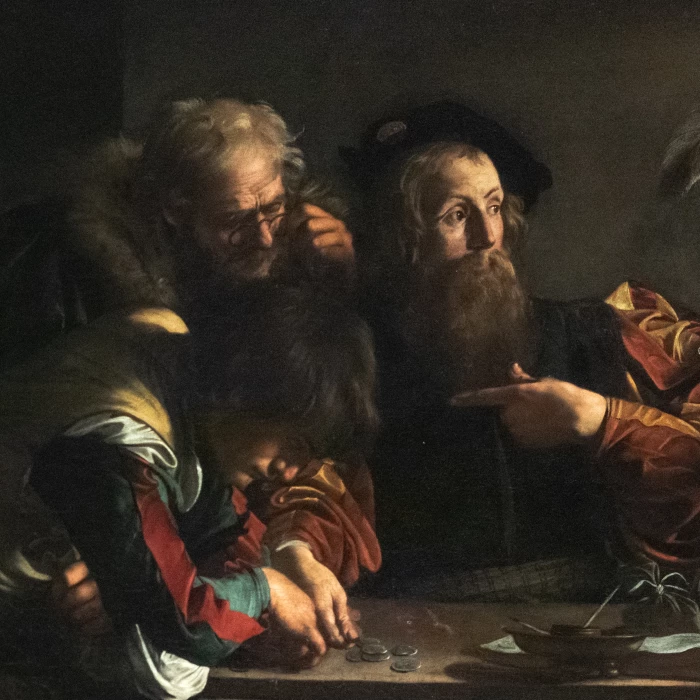
Primera etapa napolitana
1606–1607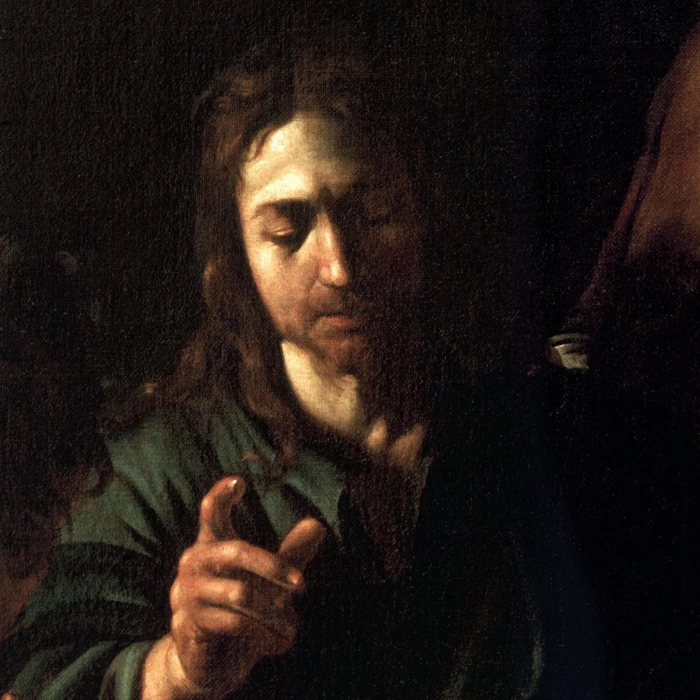
Etapa en Malta y Sicilia
1607–1609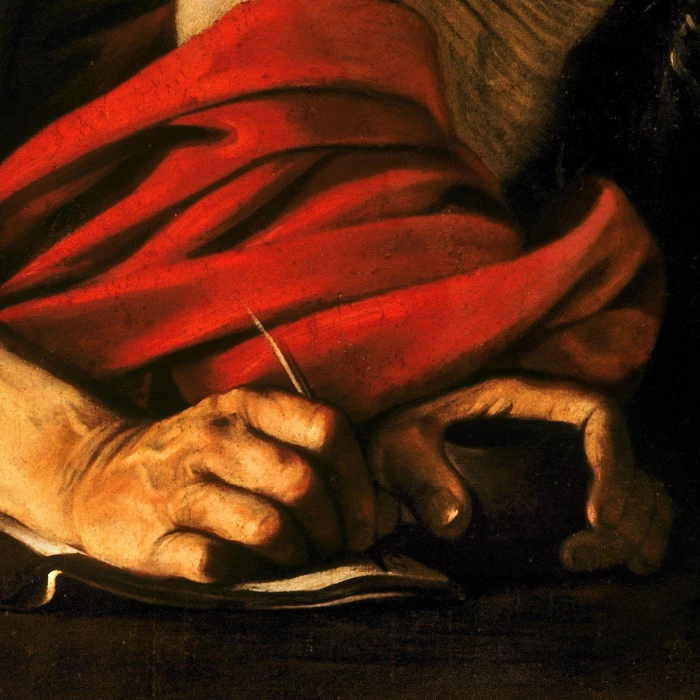
Segunda etapa napolitana y etapa final
1609–1610