
Giotto di Bondone
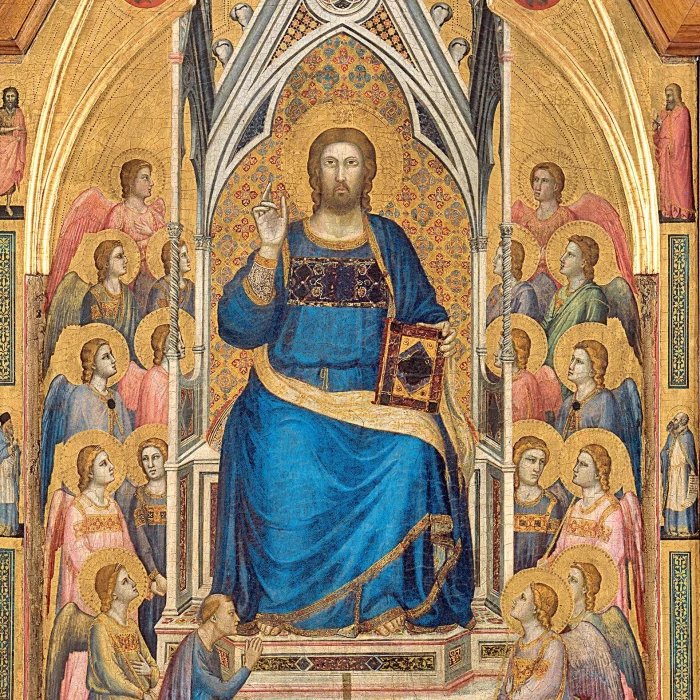
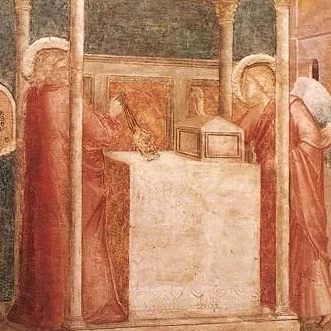
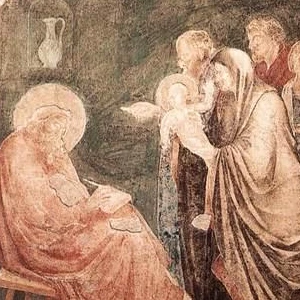
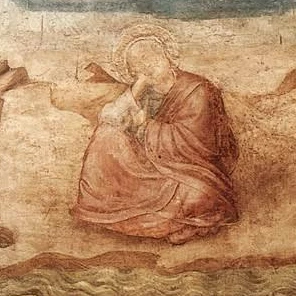
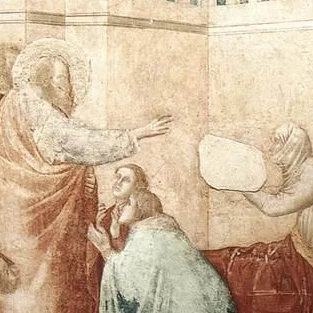
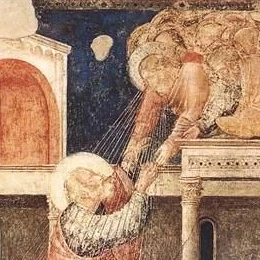
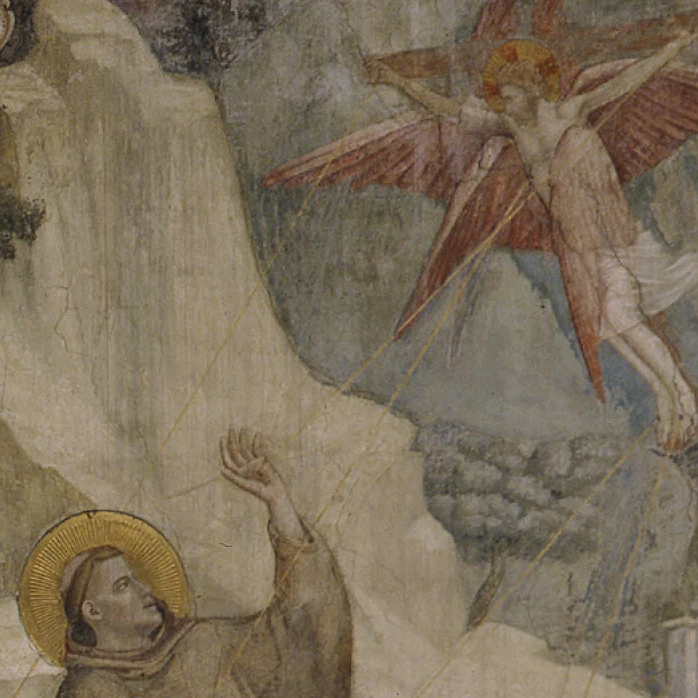
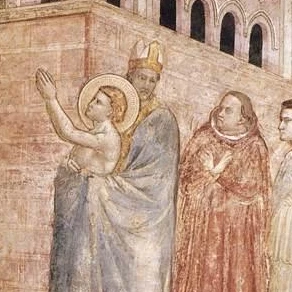
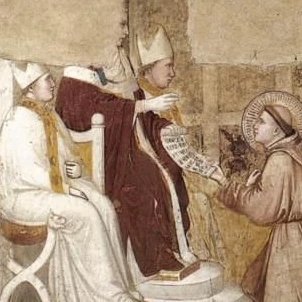
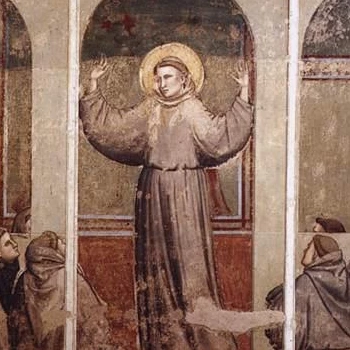
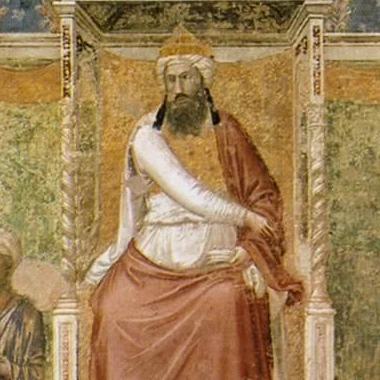
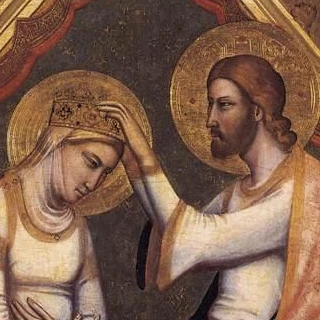
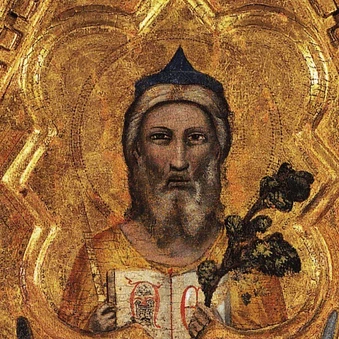
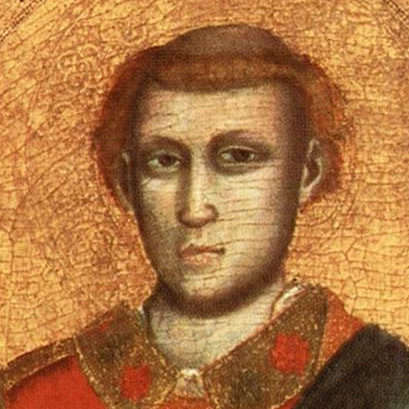
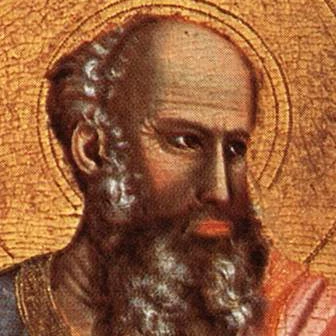
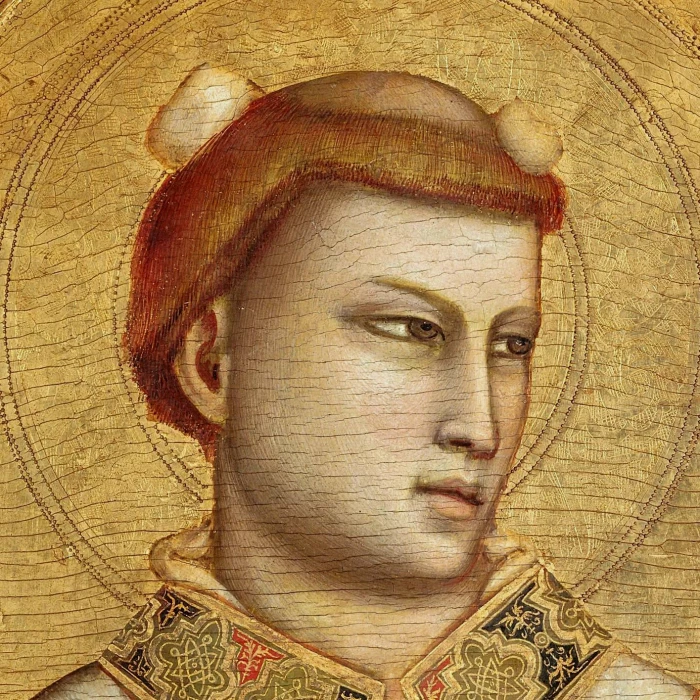
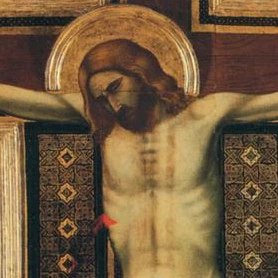
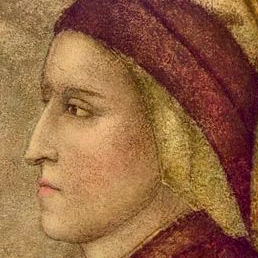
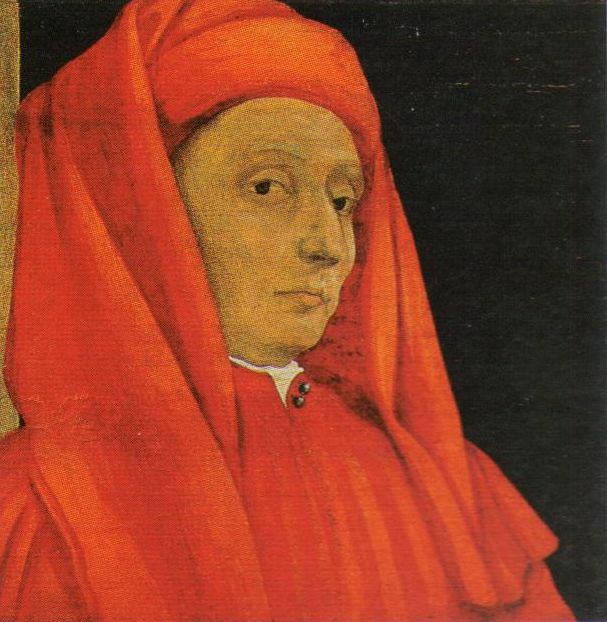
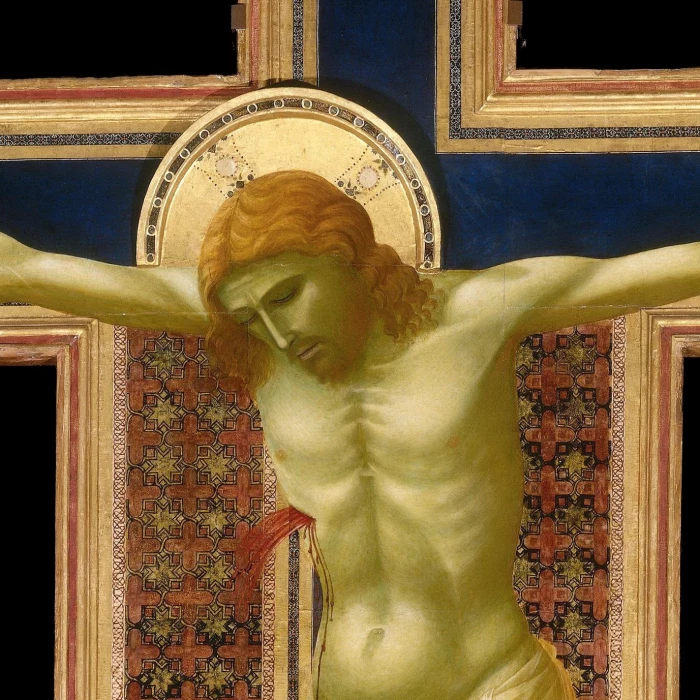
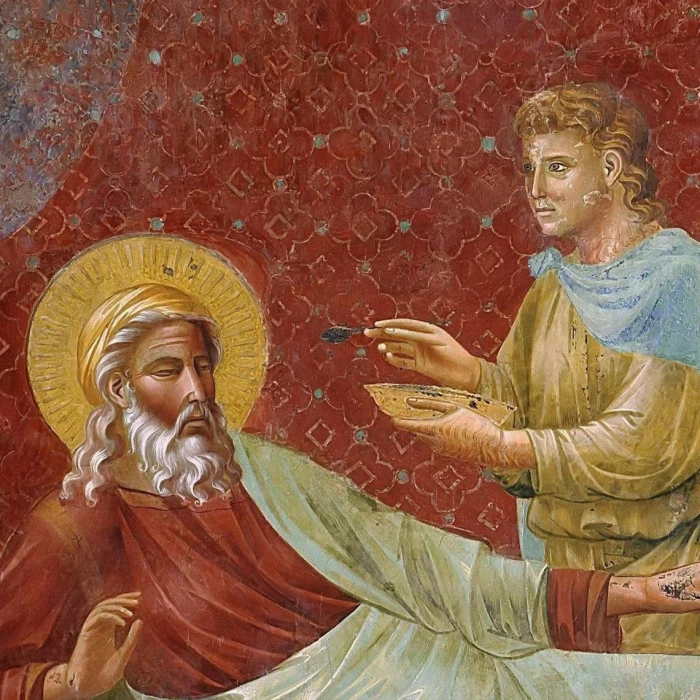
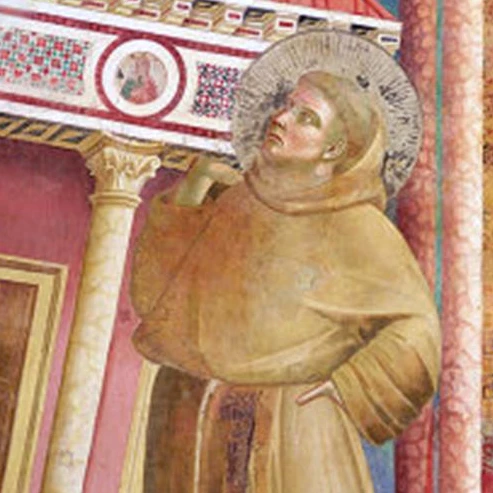
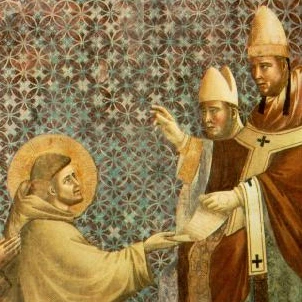
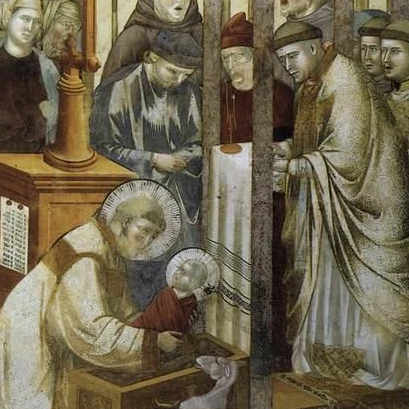
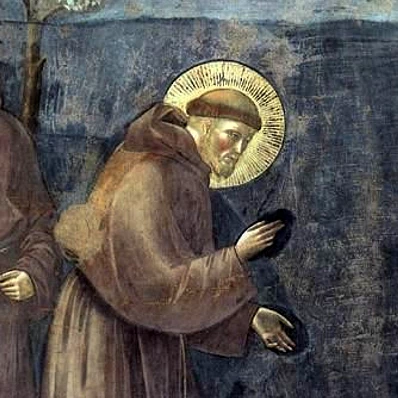
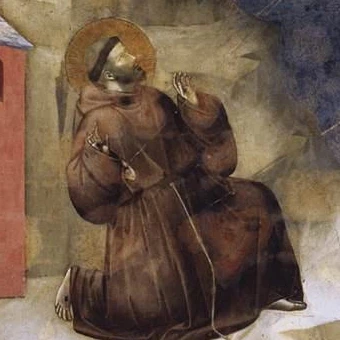
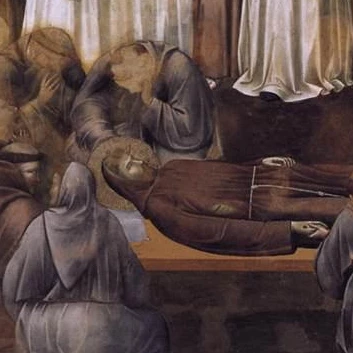
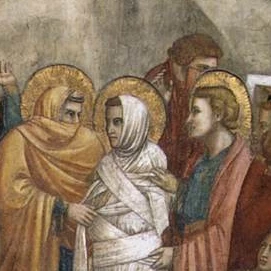
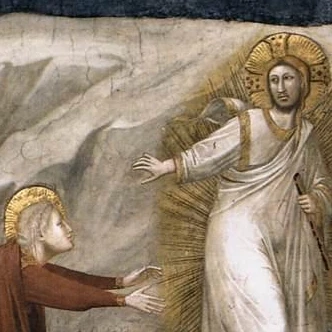
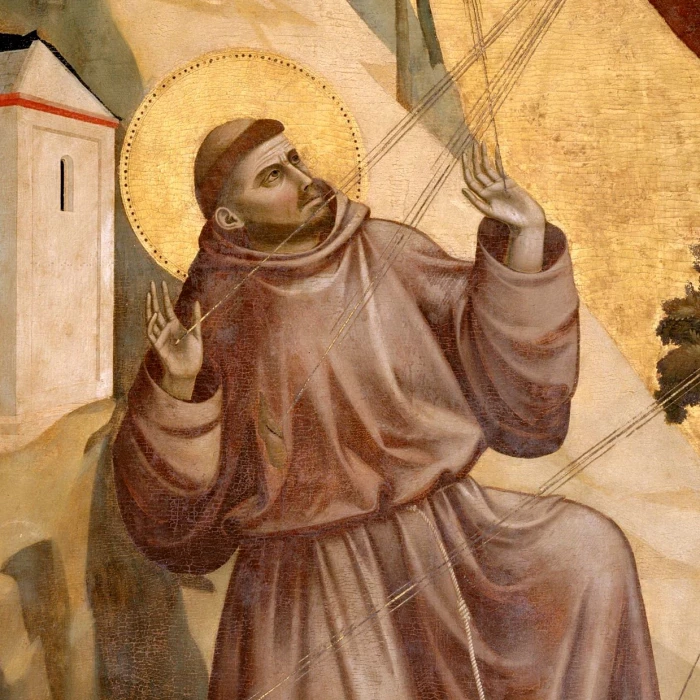
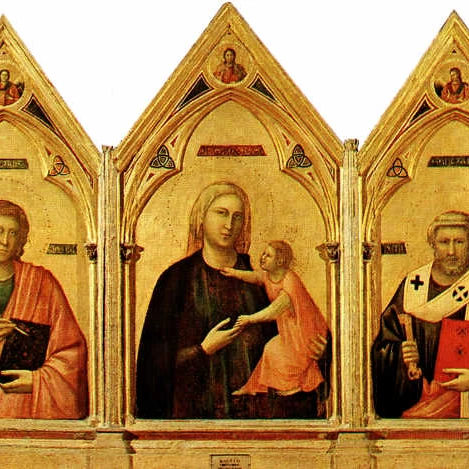
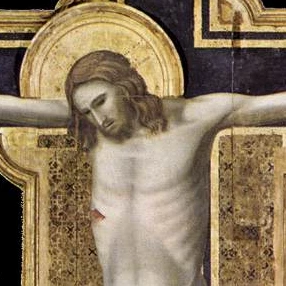
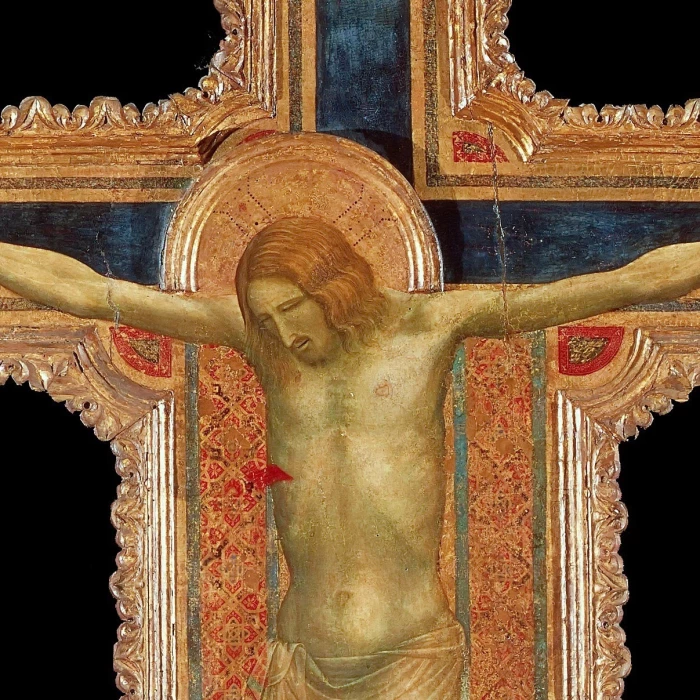
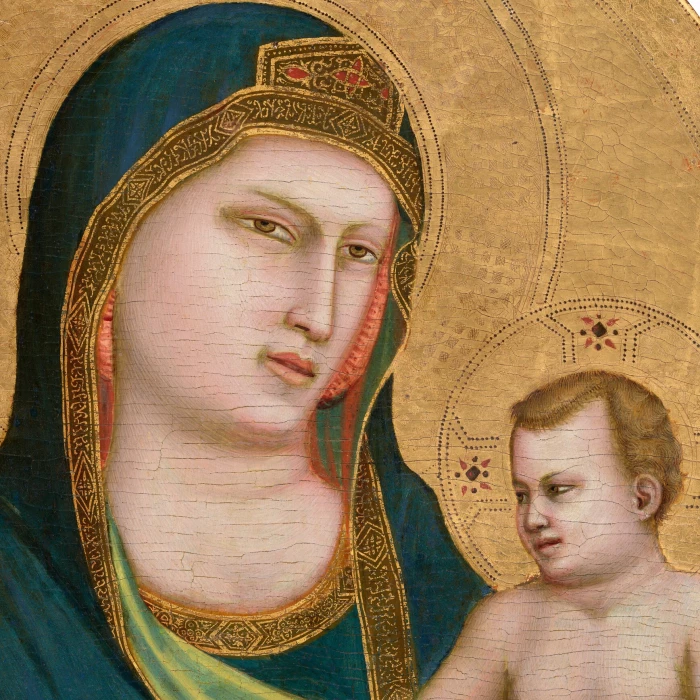
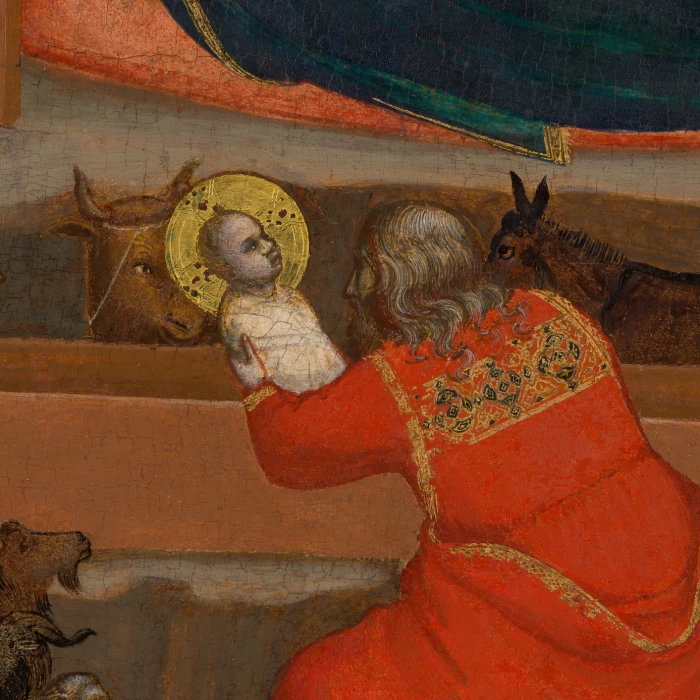
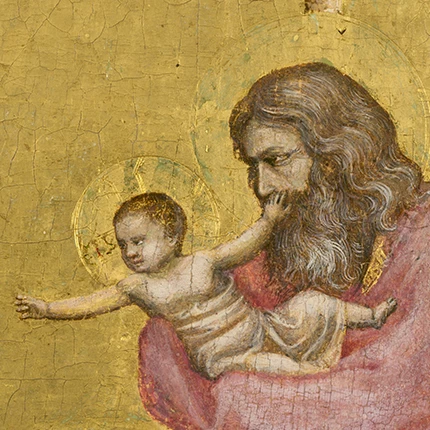
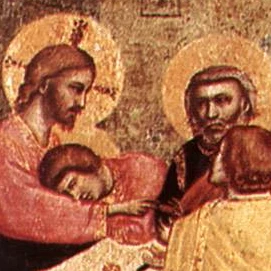
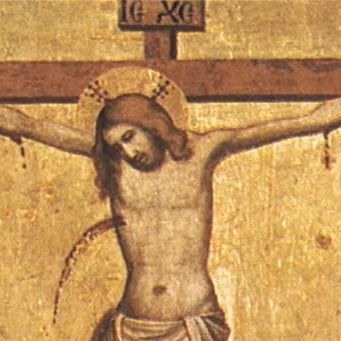
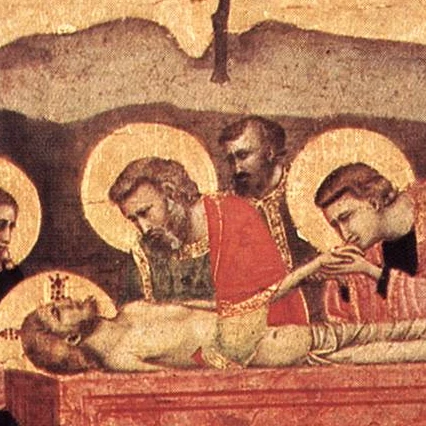
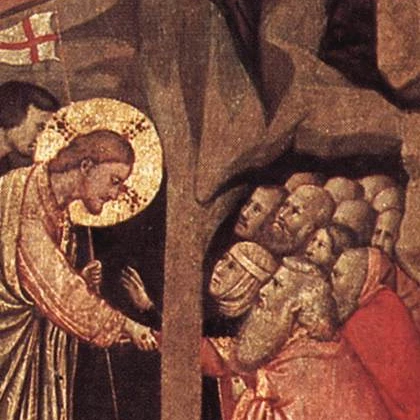
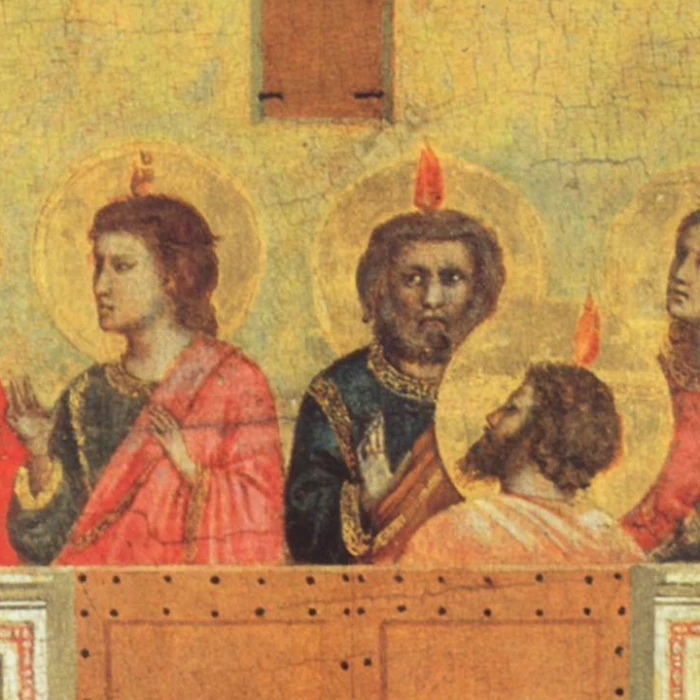
Giotto di Bondone was one of the decisive figures in medieval European painting and the leading protagonist of the artistic transformation that reshaped Italian pictorial tradition between the thirteenth and fourteenth centuries. His work gave the human figure an unprecedented sense of volume, physical weight and emotional presence, while his architectural and landscape settings helped create coherent spaces in which sacred narratives could unfold with remarkable clarity.
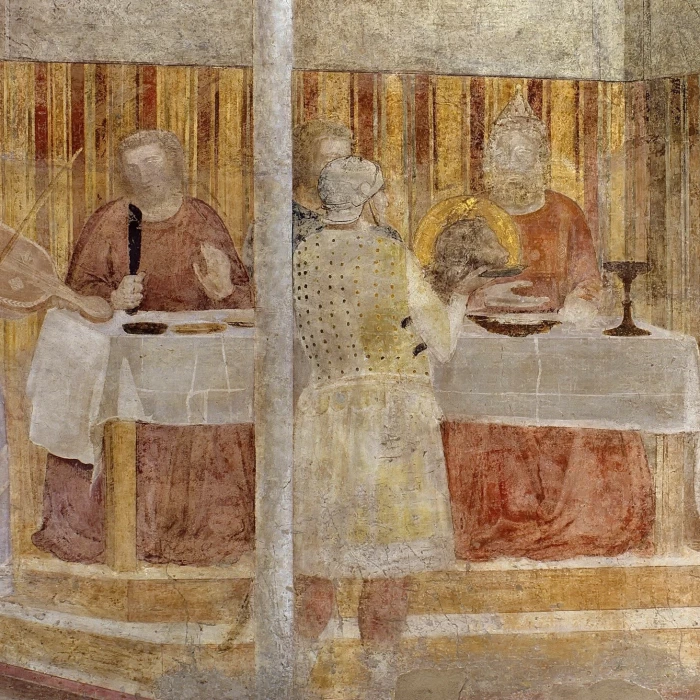
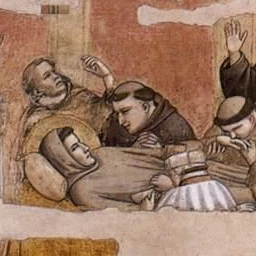
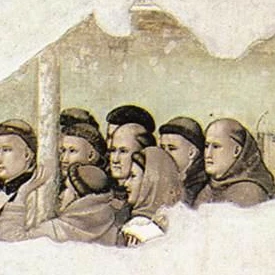
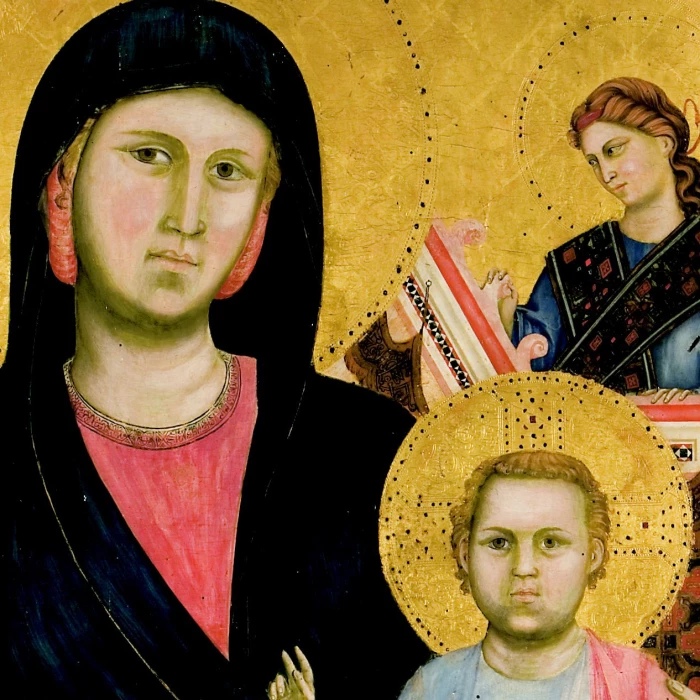
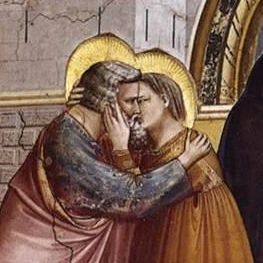
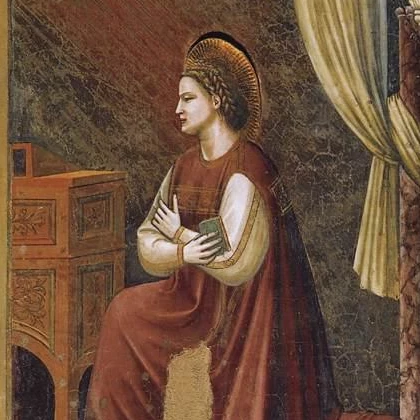
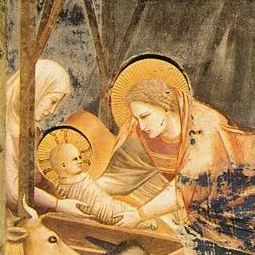
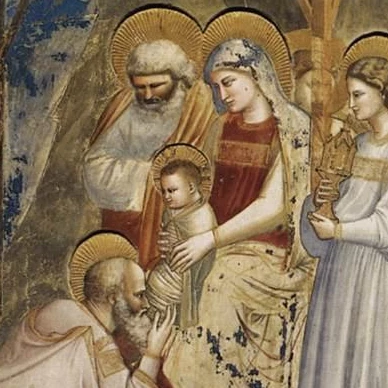
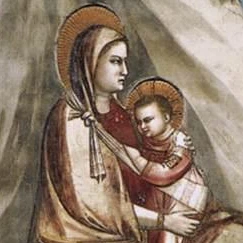
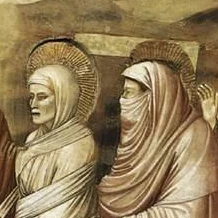
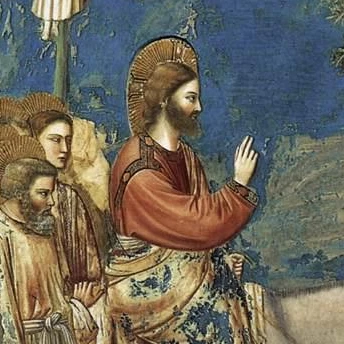
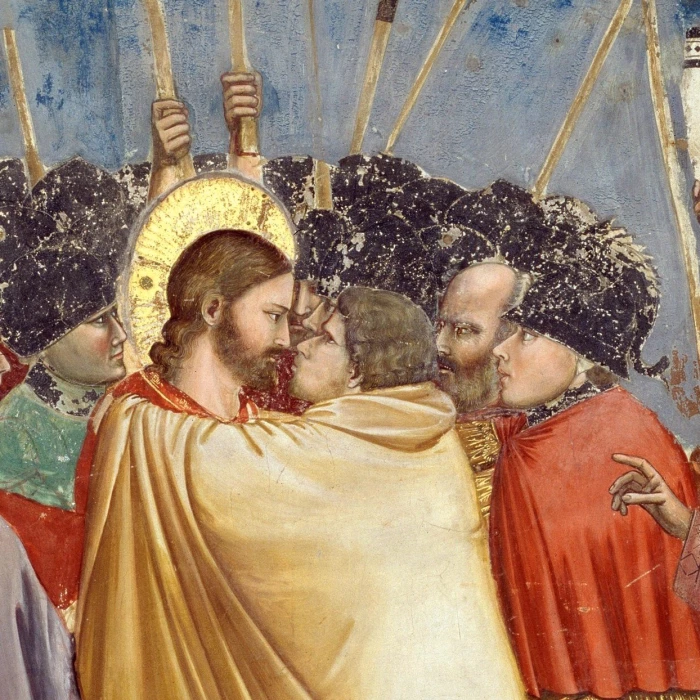
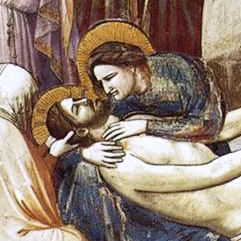
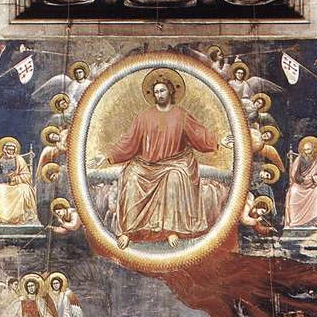
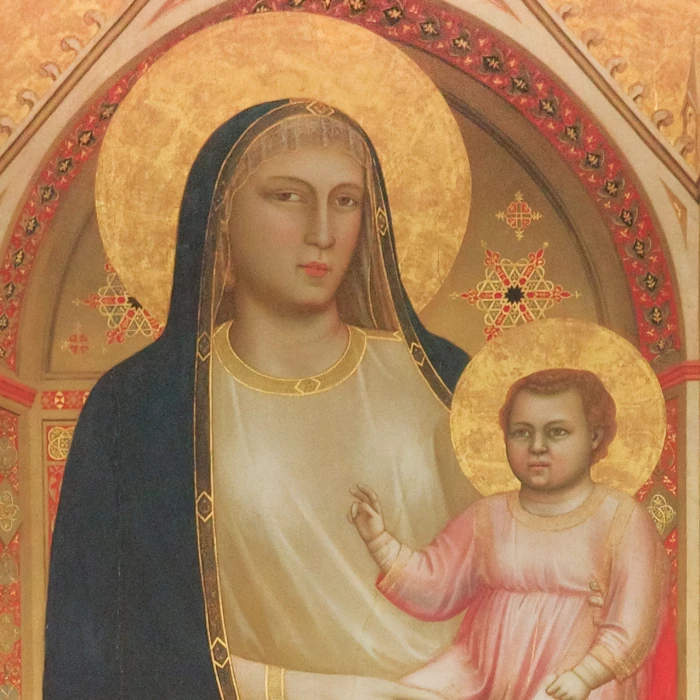
Giotto worked in several major Italian artistic centres, including Florence, Assisi, Rome, Padua, Naples and Milan. The fresco cycle of the Scrovegni Chapel in Padua is among the supreme expressions of his narrative art, combining monumental figures, controlled compositions and gestures of exceptional psychological intensity. In Florence he produced important fresco cycles for the Bardi and Peruzzi chapels in Santa Croce and panel paintings such as the celebrated Ognissanti Maestà.
His importance was already acknowledged by his contemporaries. By moving beyond many of the conventions inherited from Byzantine painting and developing a new concern for physical form, spatial coherence and human emotion, Giotto profoundly influenced subsequent generations of Italian artists. He was also active as an architect and during the final phase of his career became associated with Florence Cathedral and the design of its celebrated bell tower.
Etapa inicial
Etapa de consolidación
Etapa de madurez