Description
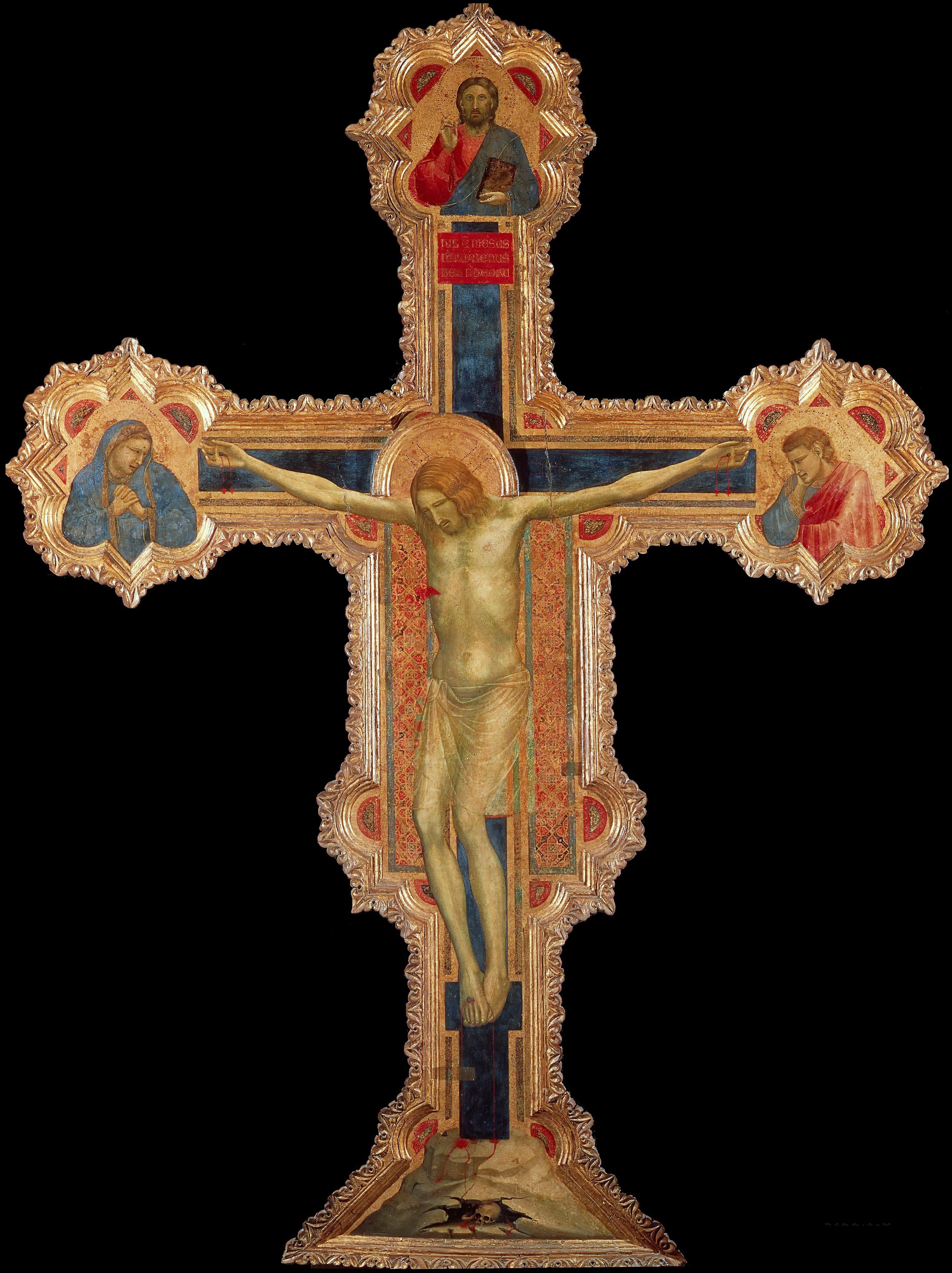
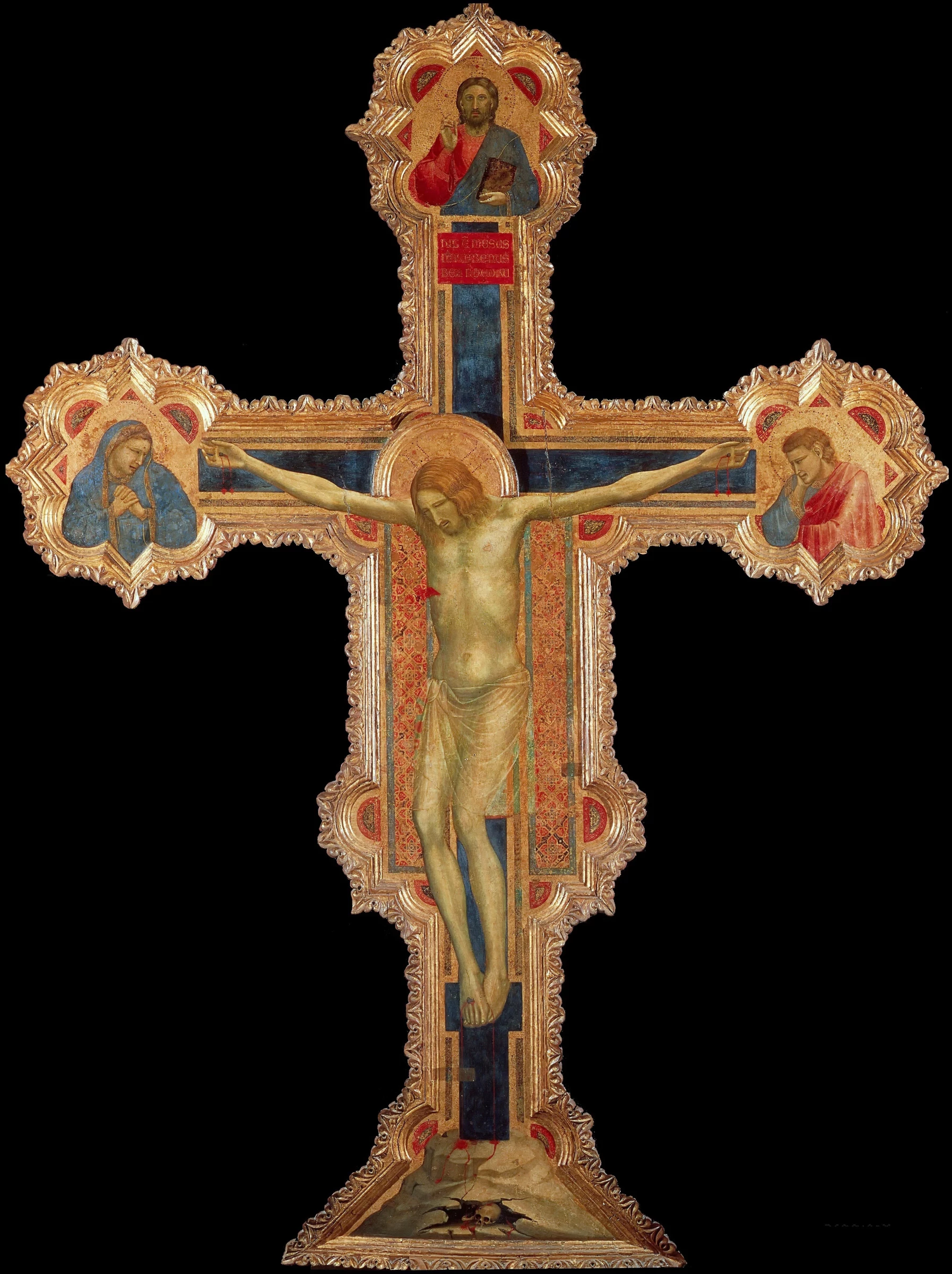
The Padua Crucifix is one of Giotto's most important works on wood and is directly connected with the decoration of the Scrovegni Chapel. It was probably made for the same setting and during the same years in which the master was carrying out the chapel's great fresco cycle. Christ's body occupies the vertical axis of the cross and is shown dead, with the head bowed forward, lips slightly parted and limbs relaxed under the force of gravity.
The body is treated with a degree of naturalism considerably more advanced than in much earlier painted crucifixes. The torso is slender and elongated but modeled through soft transitions of light and shade that suggest muscles, tendons and veins. The latter motif connects Christ's death with the redemption of original sin and expands the theological meaning of the work.