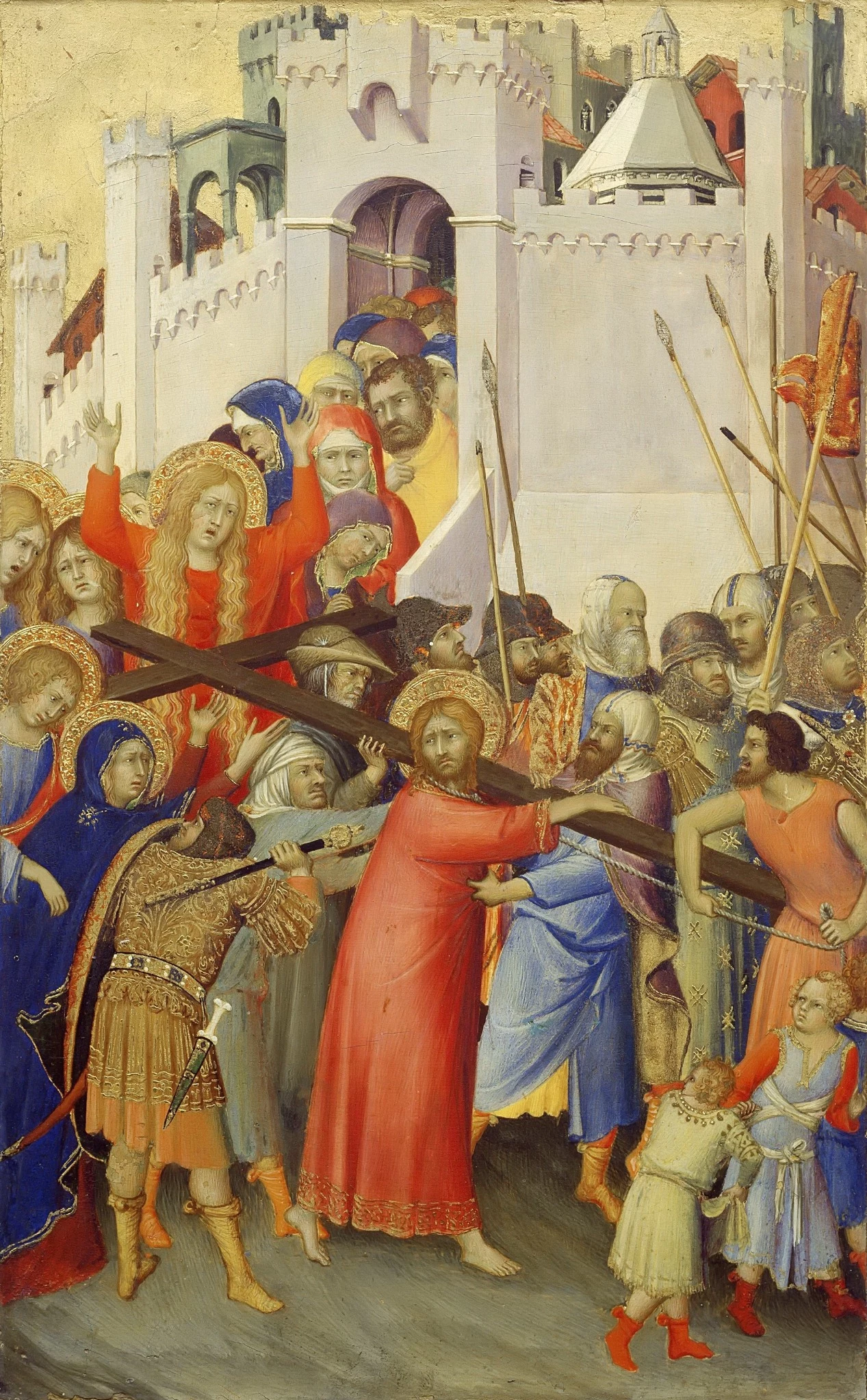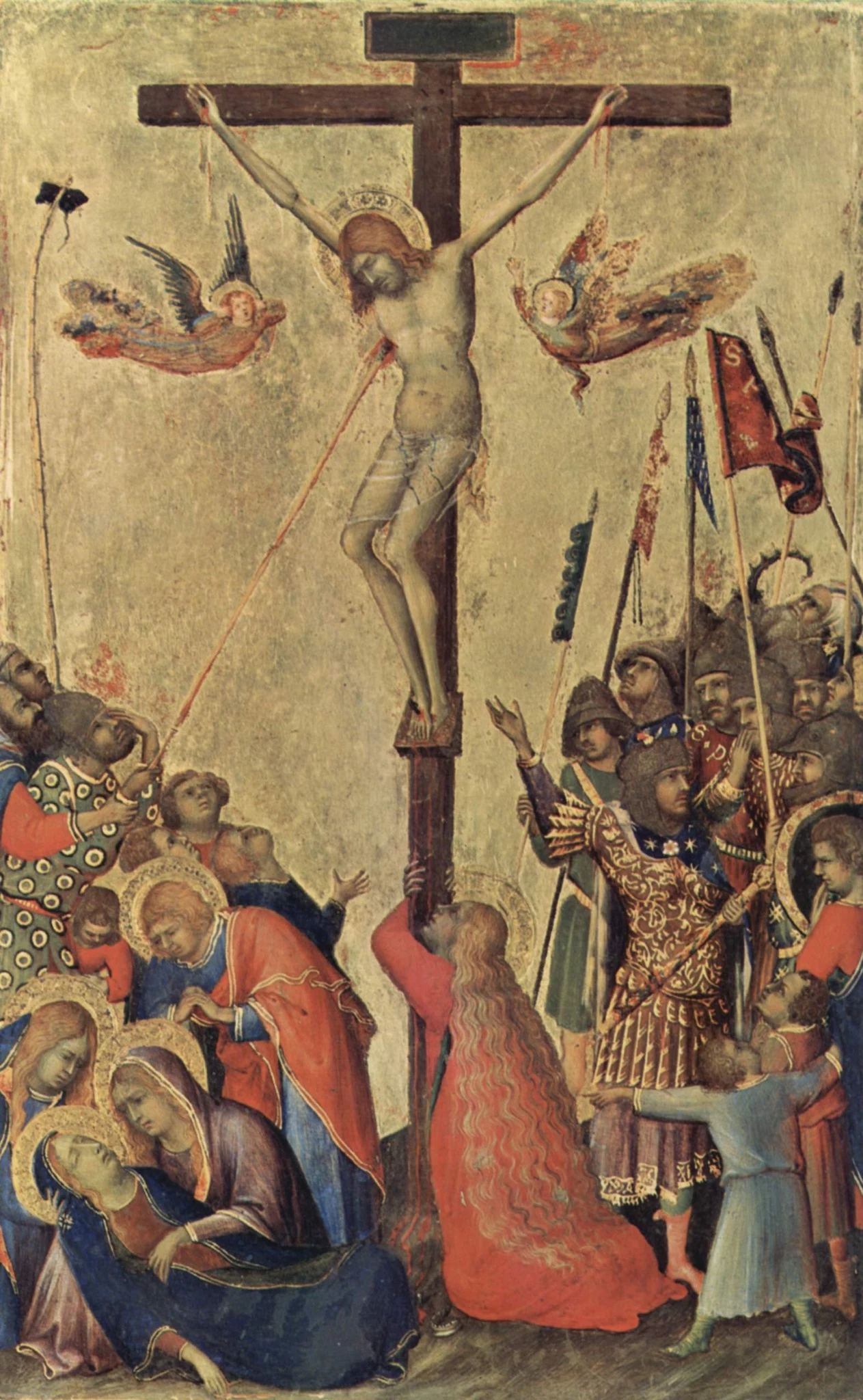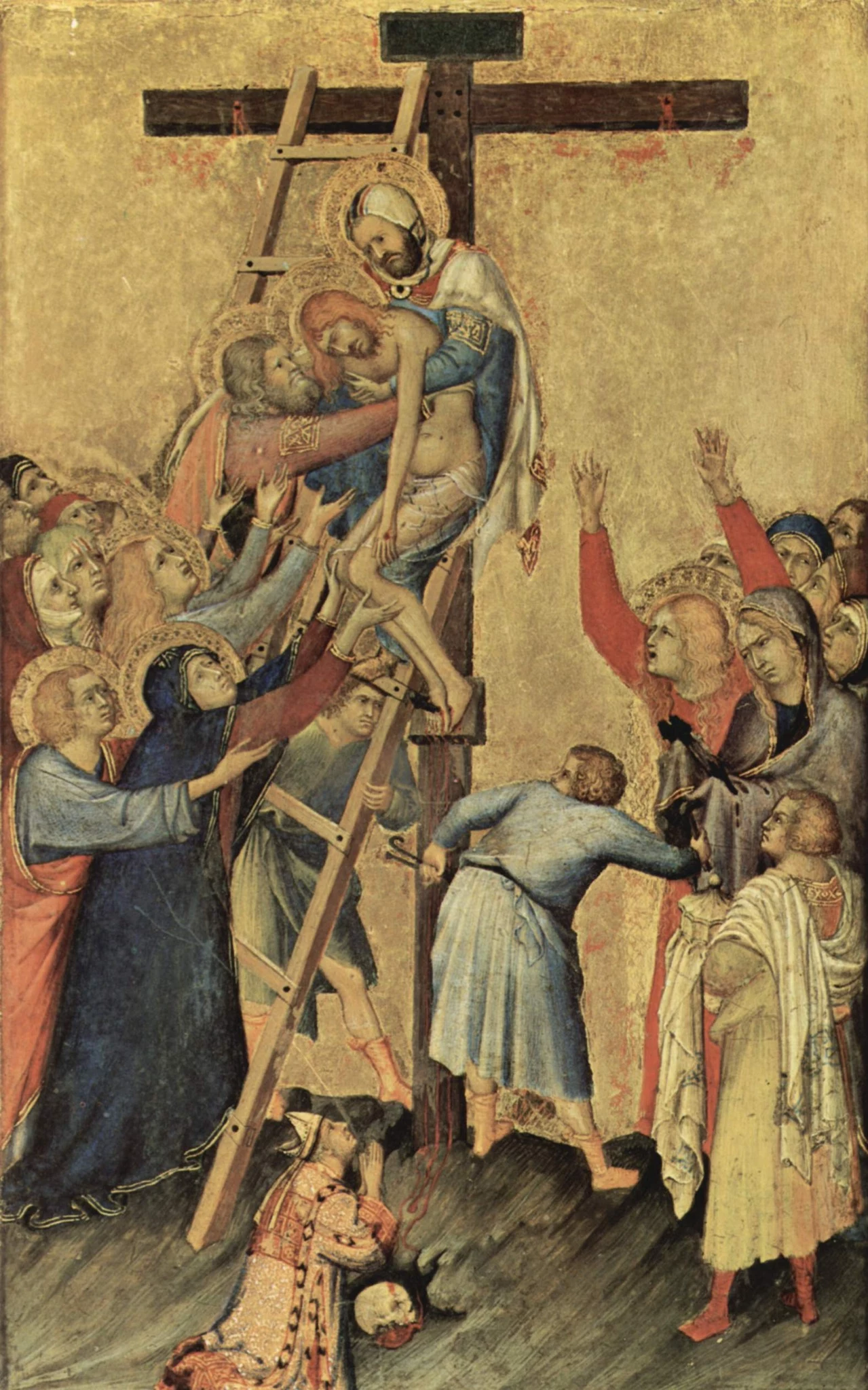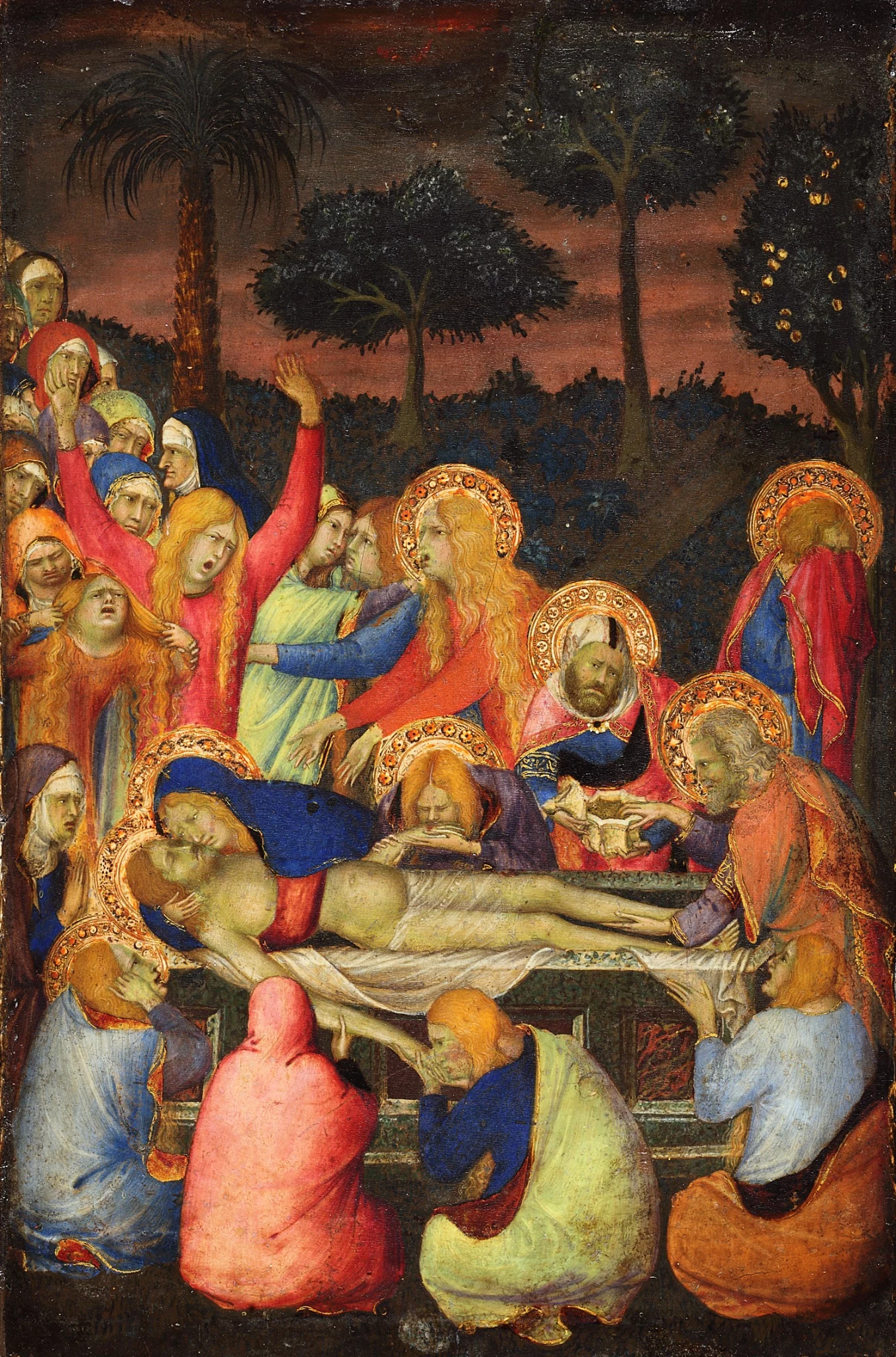

Simone Martini
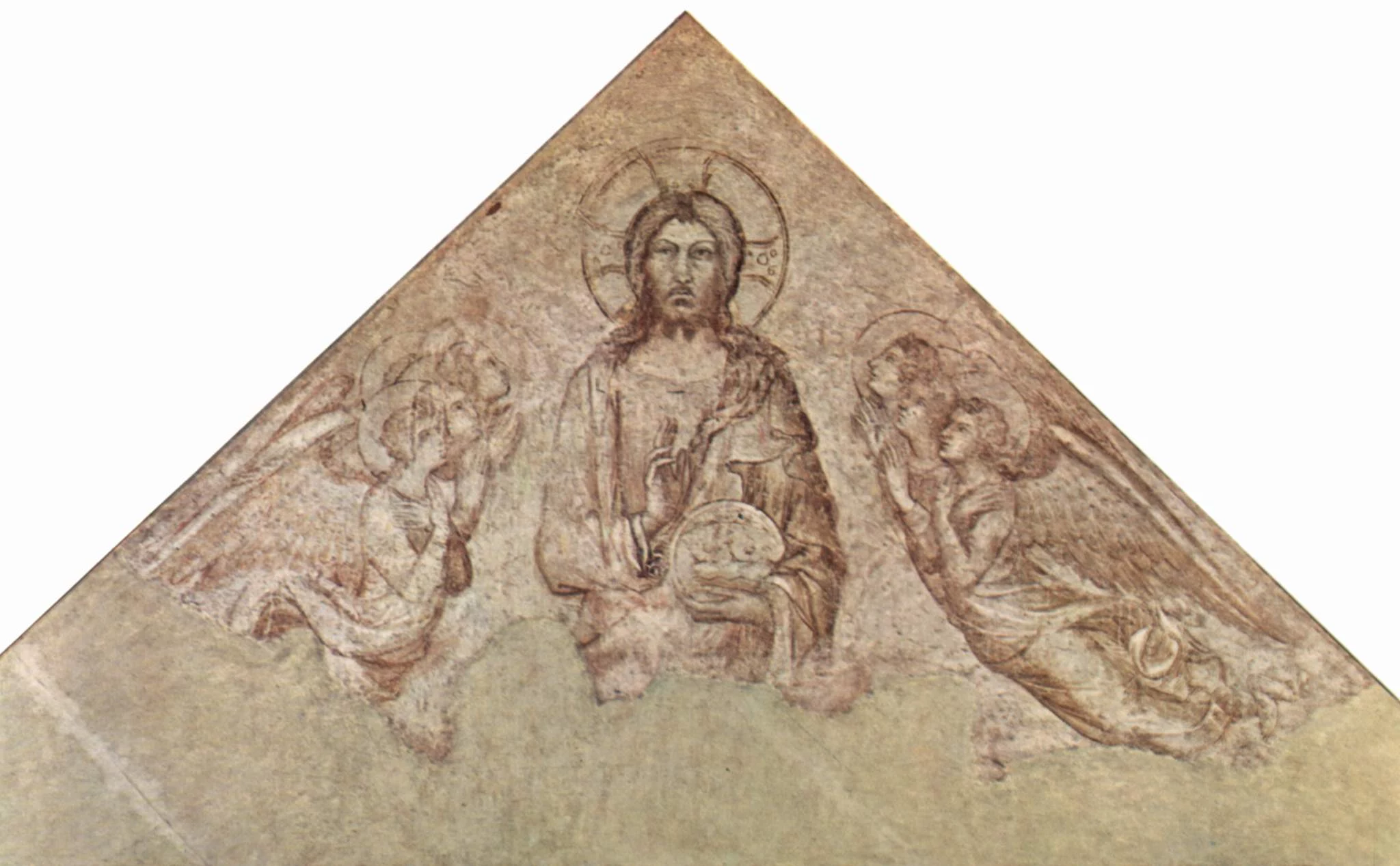
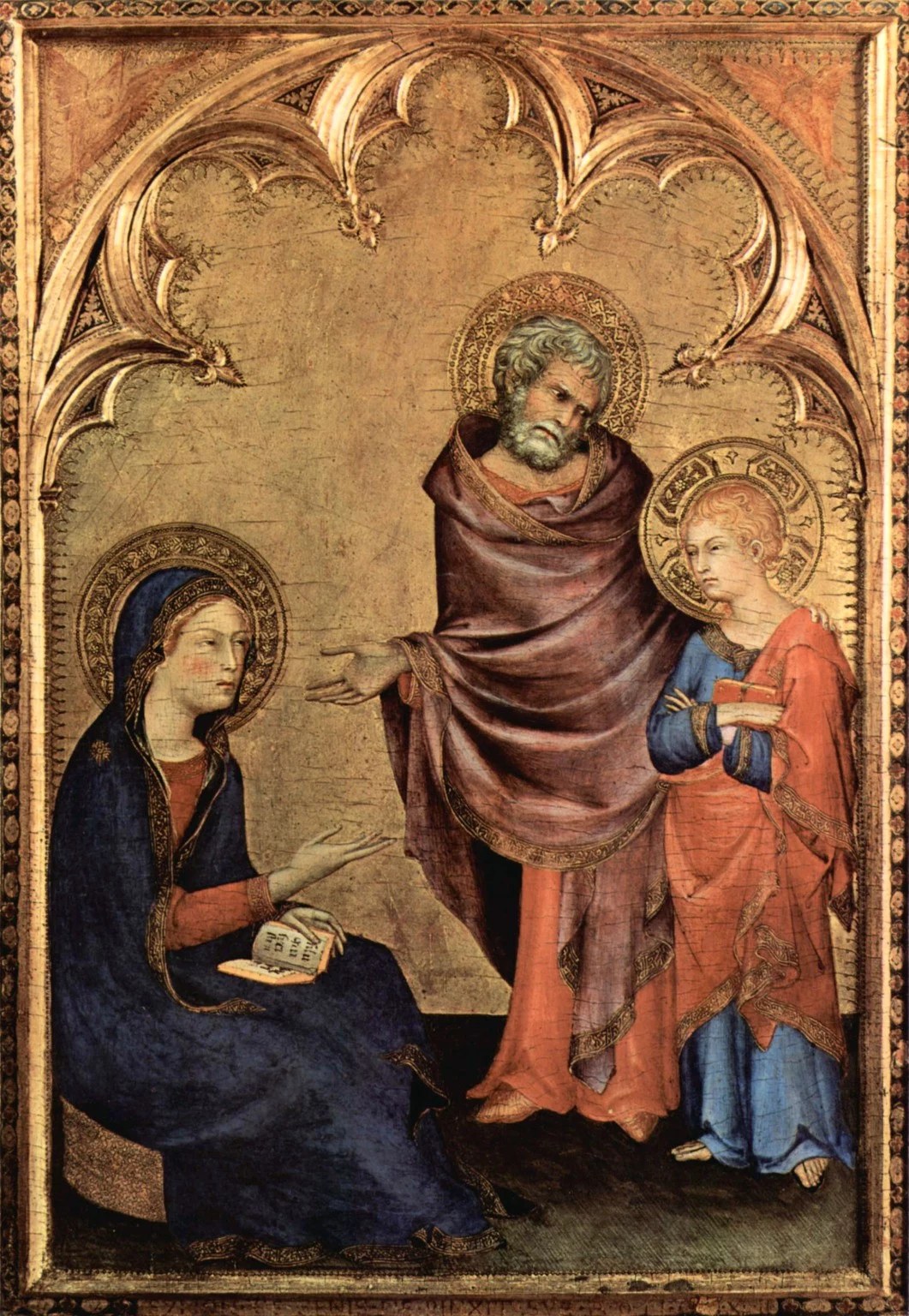
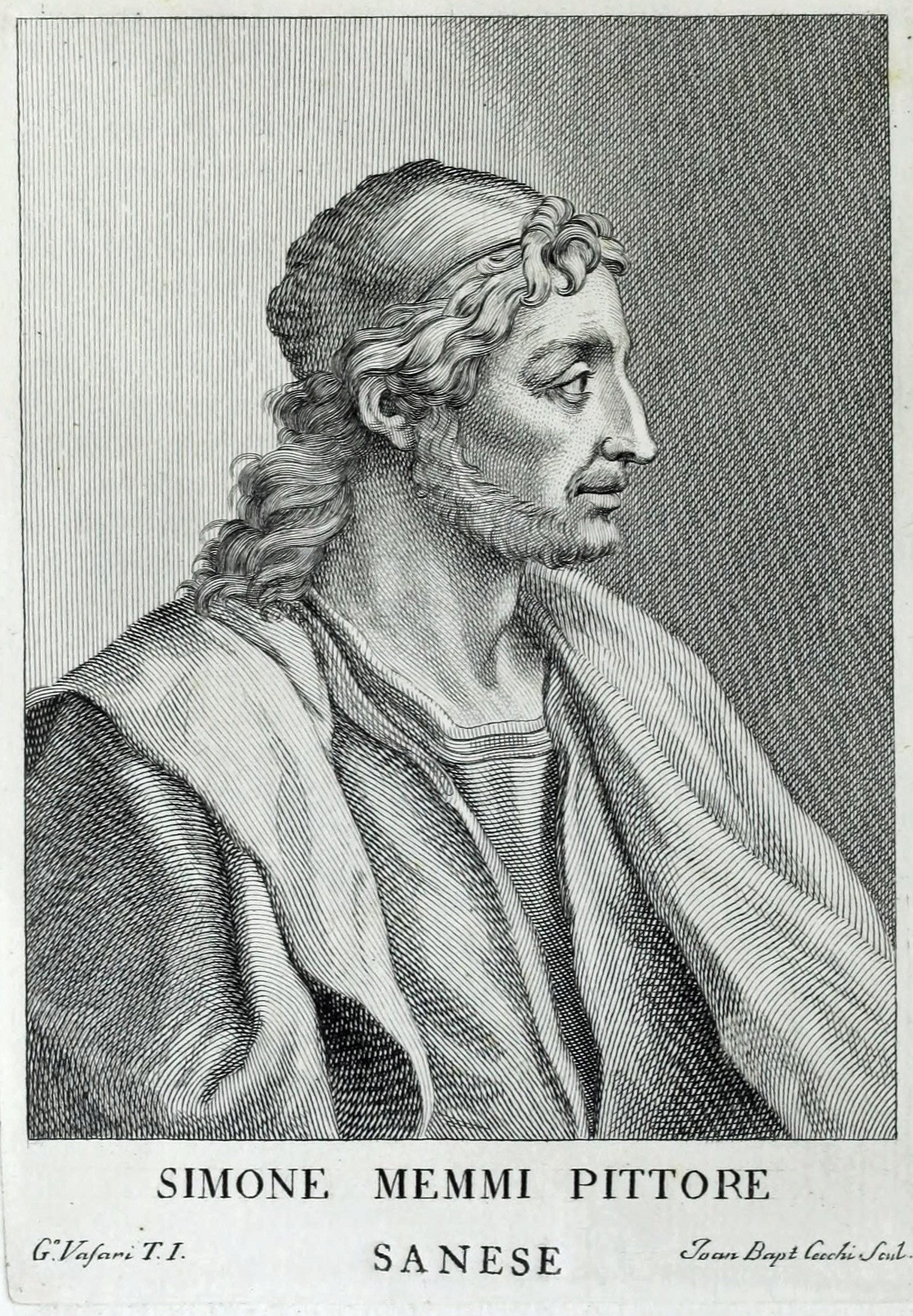
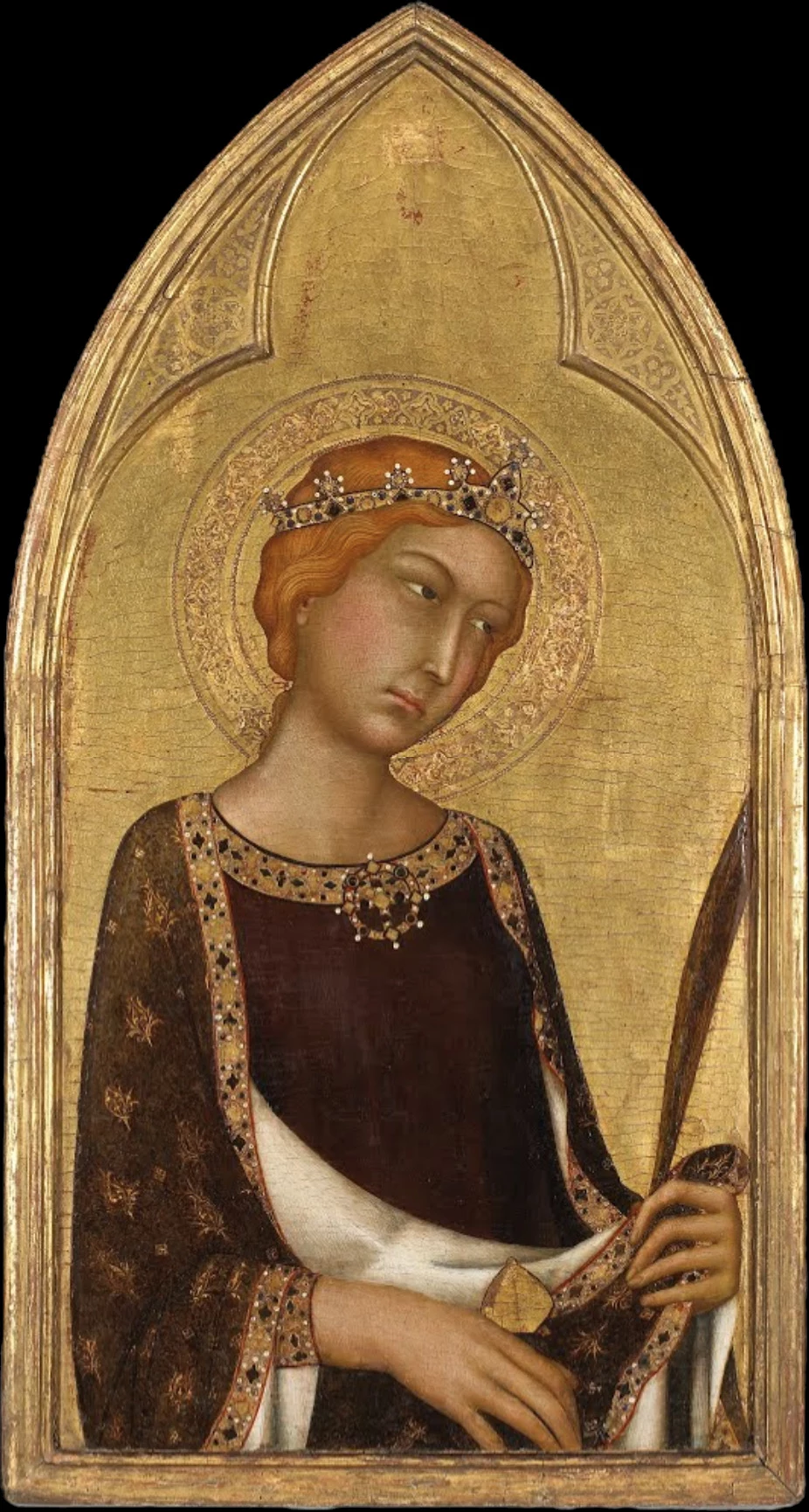
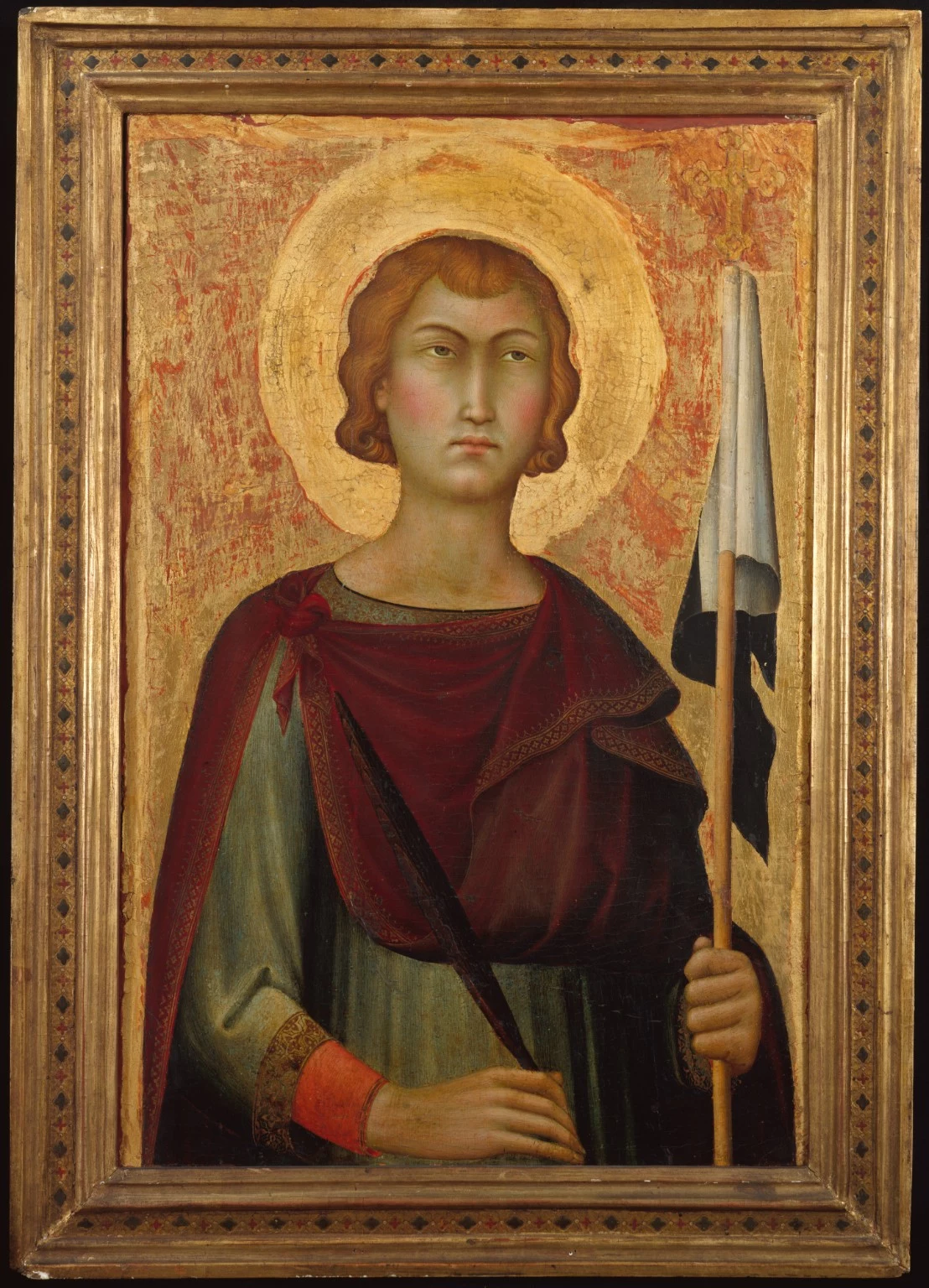
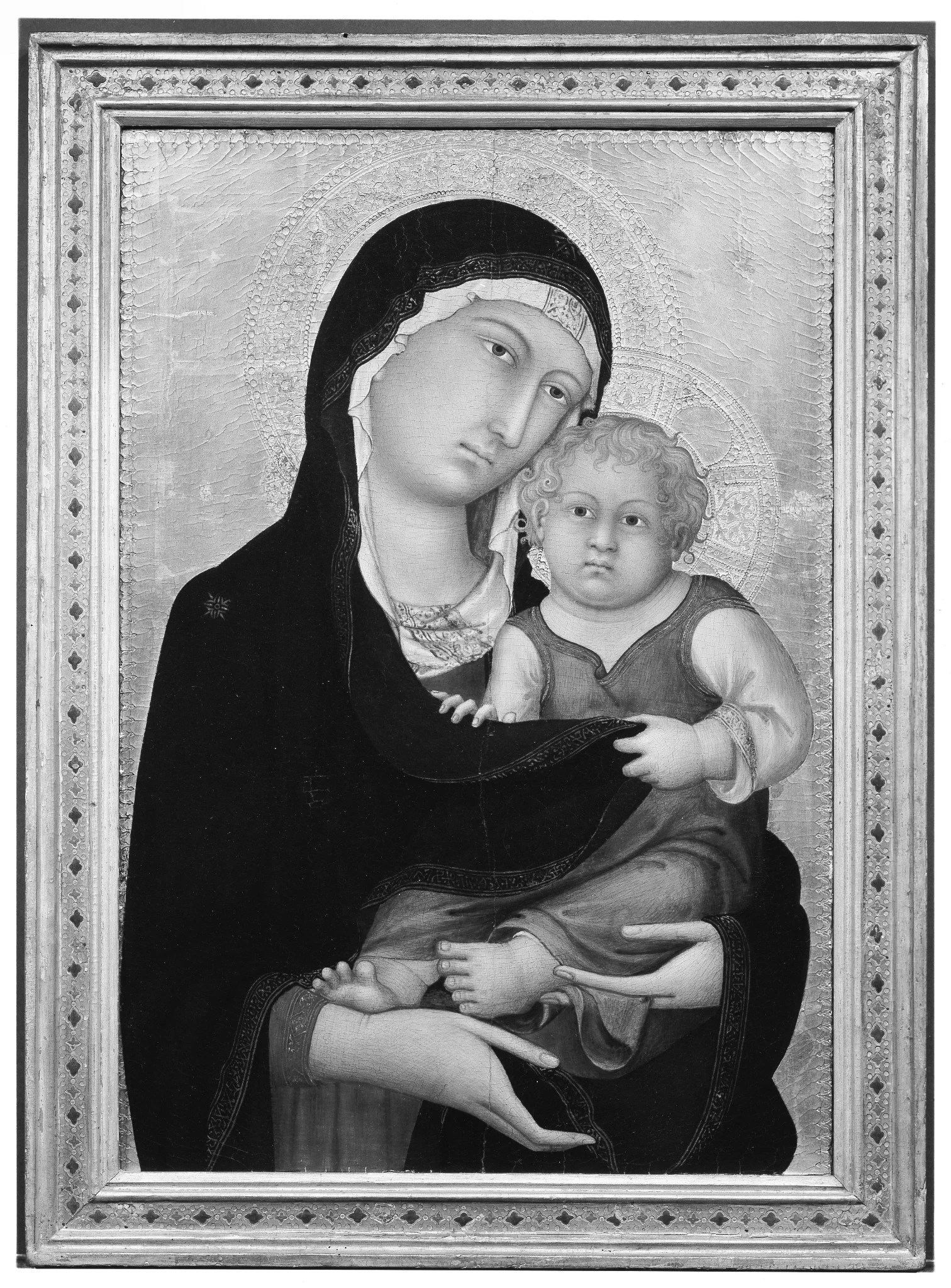
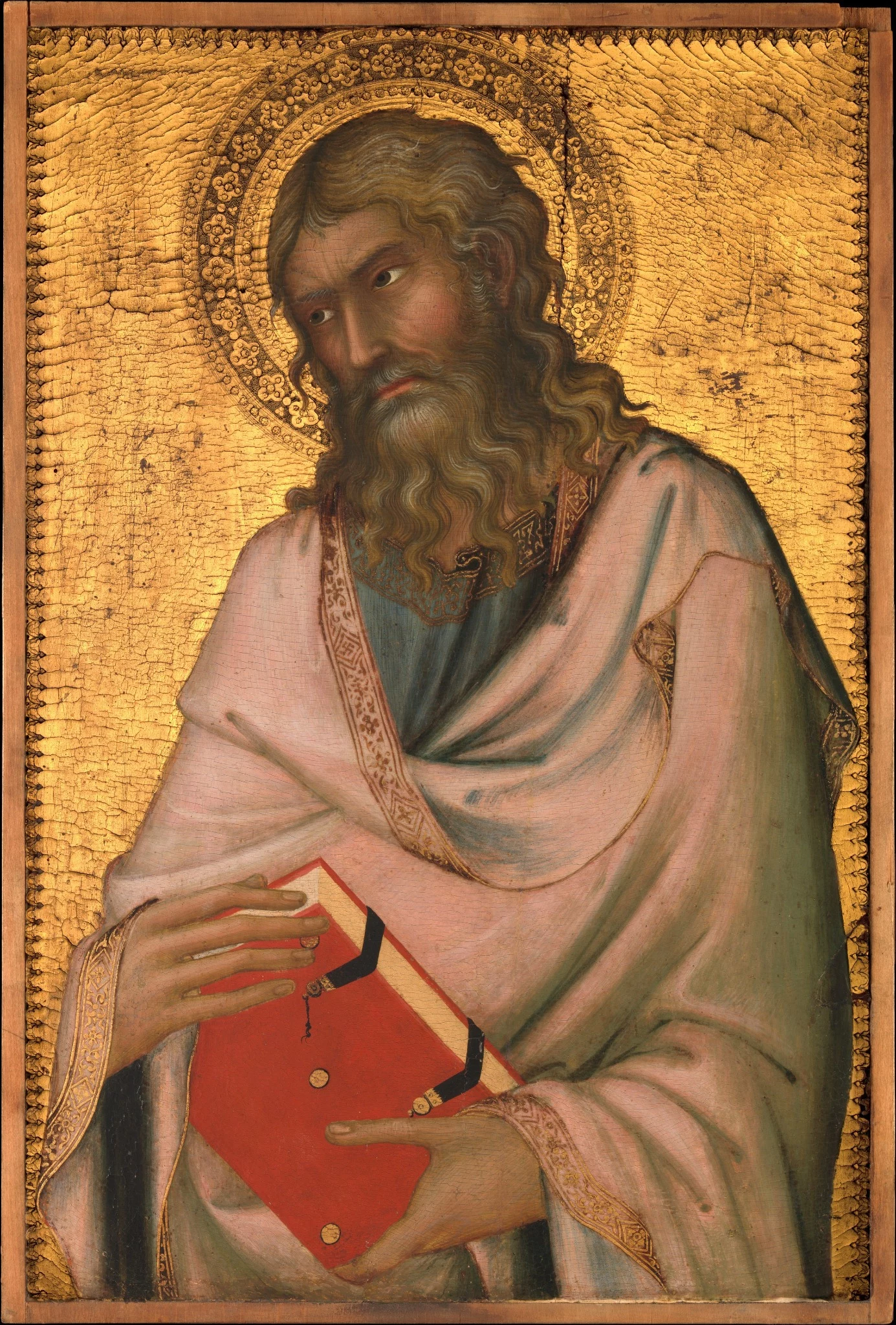
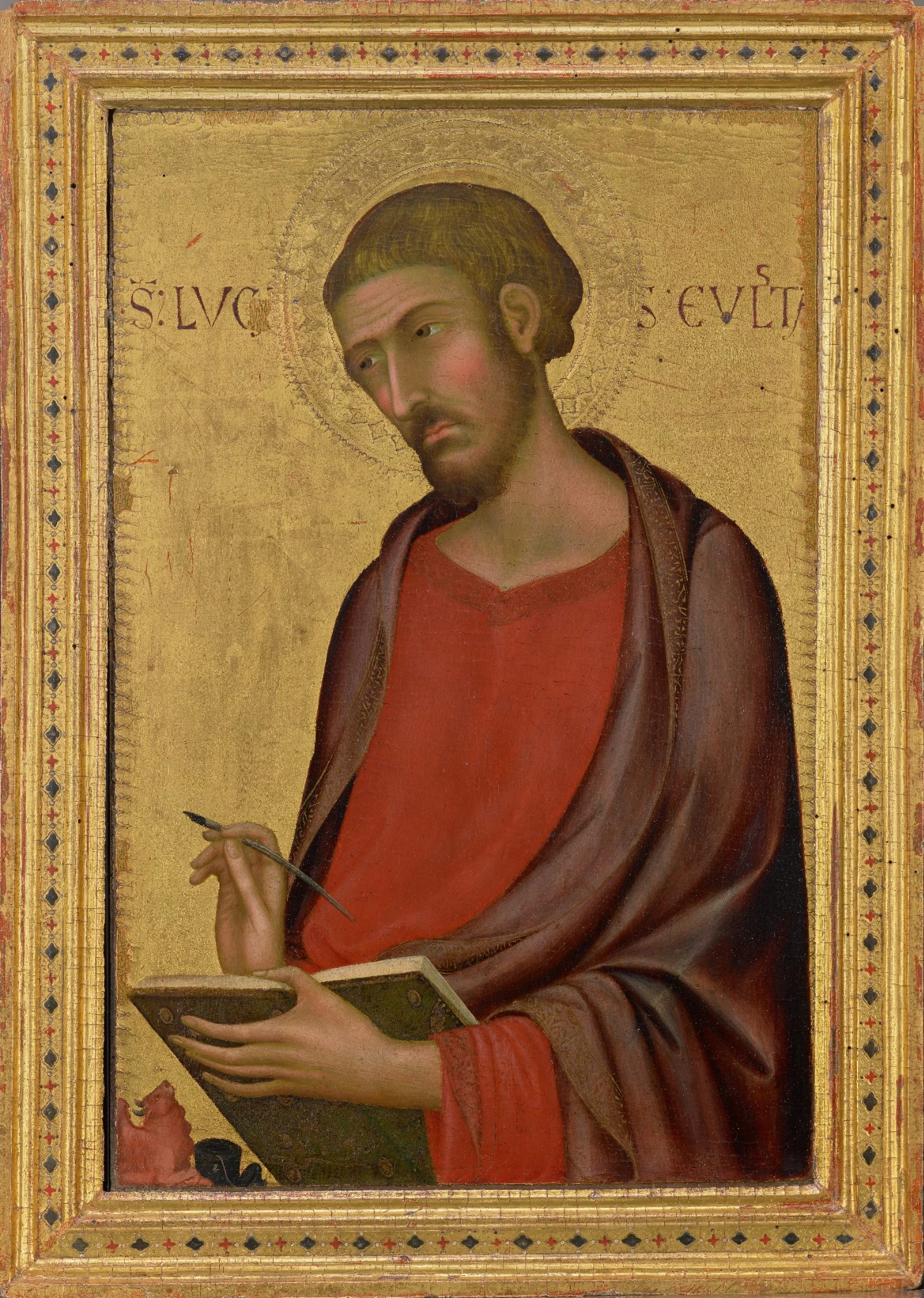
Simone Martini was one of the leading painters of fourteenth-century Italy and a central figure in the development of the Sienese school. His work combines graceful figures, sumptuous decorative detail, luminous colours and a remarkably subtle understanding of human expression. These qualities made his painting an essential precursor to the International Gothic style.
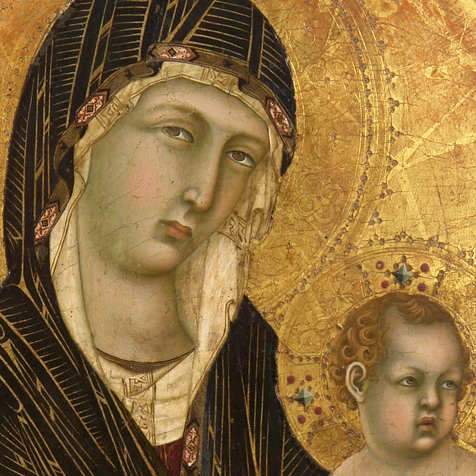
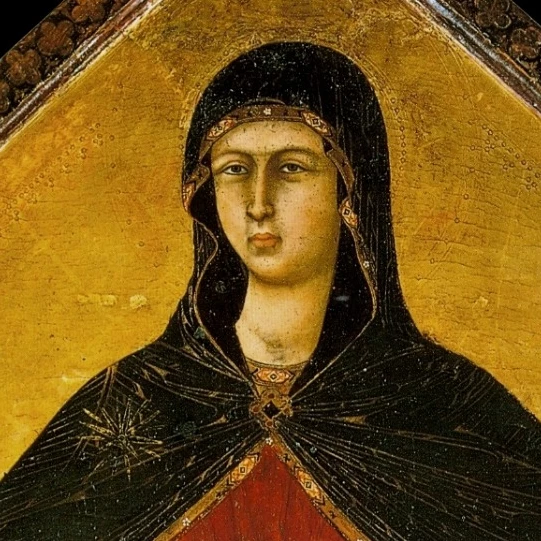
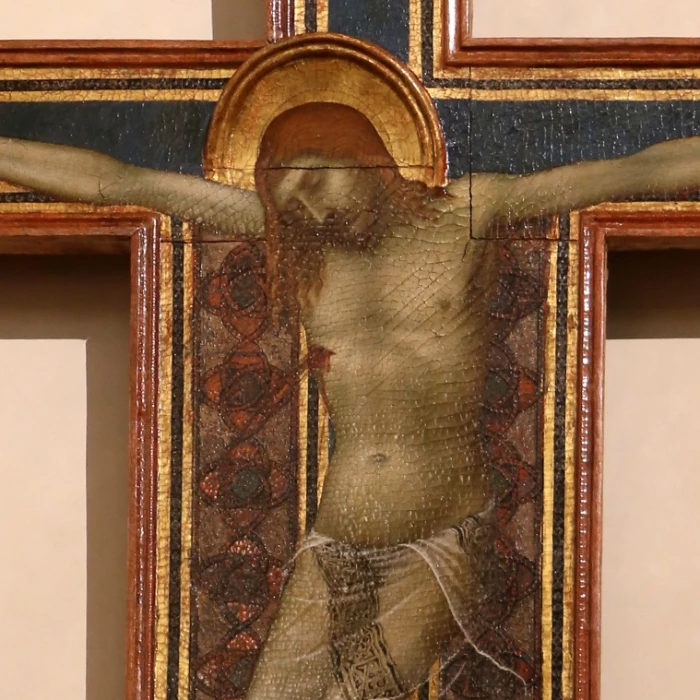
Probably born in Siena, Martini emerged from an artistic environment shaped by Duccio di Buoninsegna. Although his direct apprenticeship remains uncertain, Duccio's influence is evident in his early paintings. Martini transformed this inheritance by introducing more animated gestures, elegant silhouettes and an increasingly sophisticated representation of courtly life.
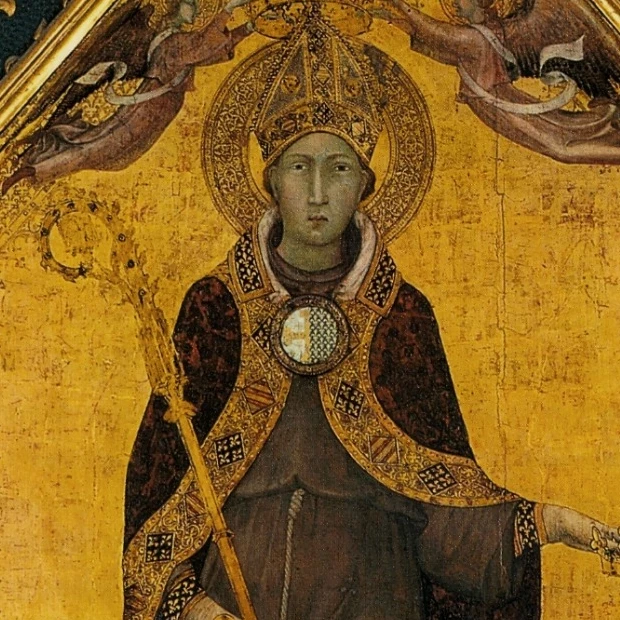
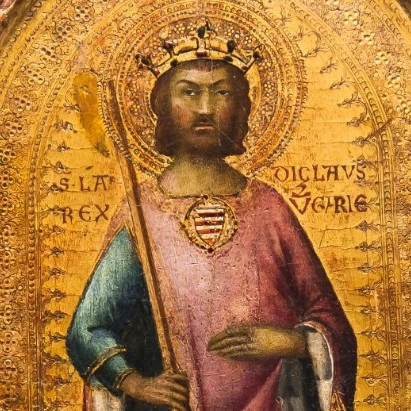
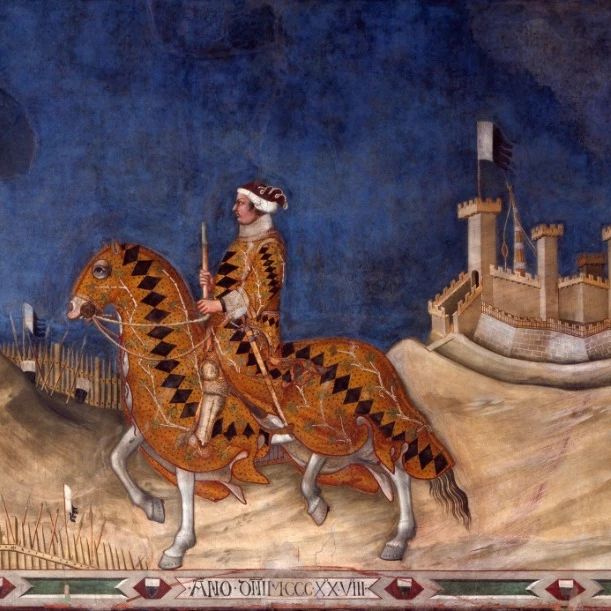
His earliest securely documented achievement is the monumental Maestà in Siena's Palazzo Pubblico. The fresco illustrates the relationship between civic authority and religious devotion in medieval Siena. His reputation soon reached the Angevin court in Naples, where he created the celebrated altarpiece of Saint Louis of Toulouse Crowning Robert of Anjou, a remarkable statement of political and dynastic legitimacy.
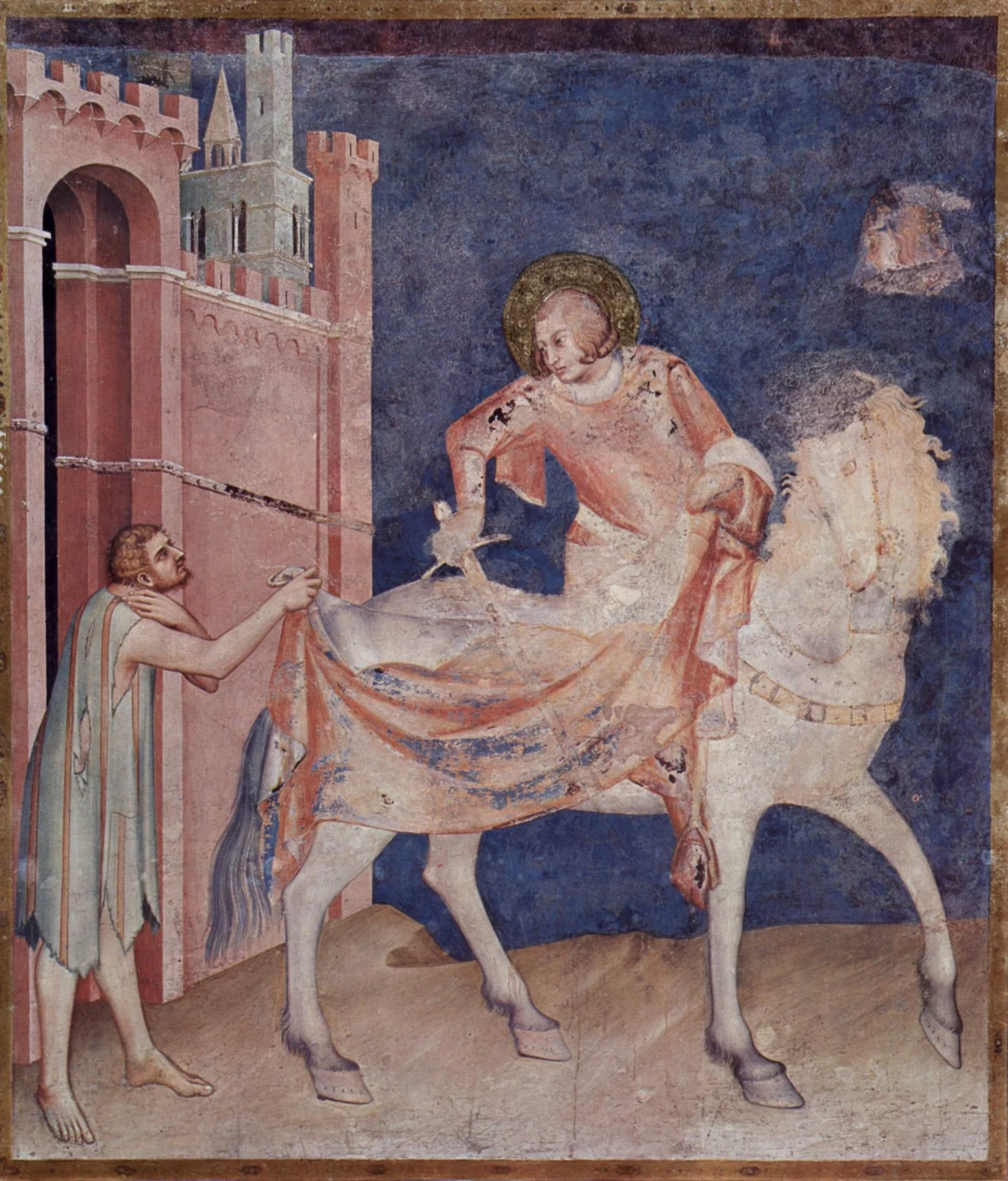
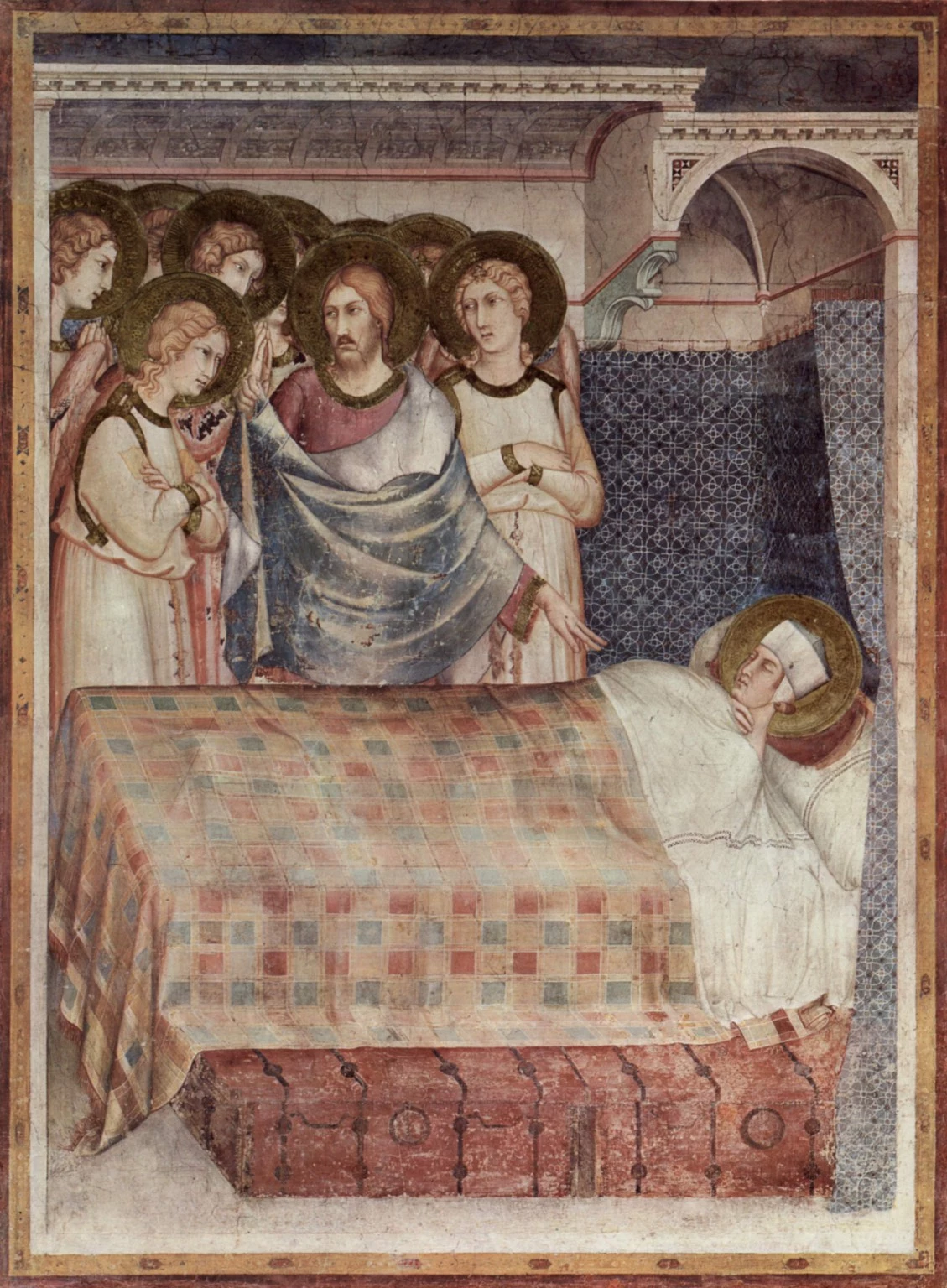
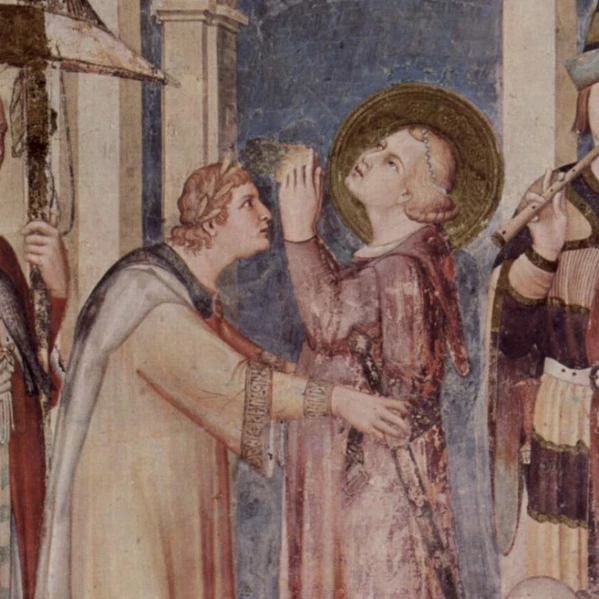
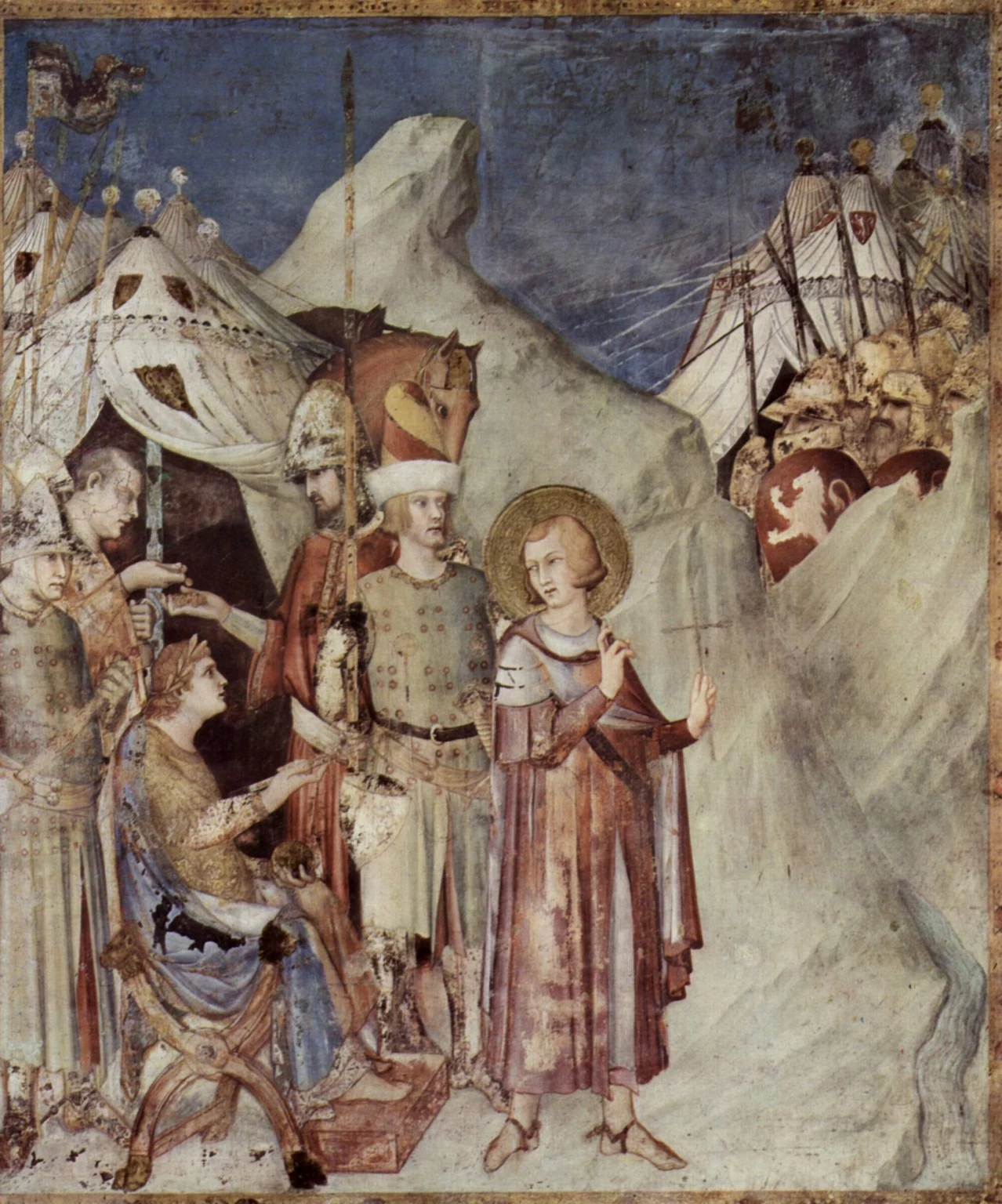
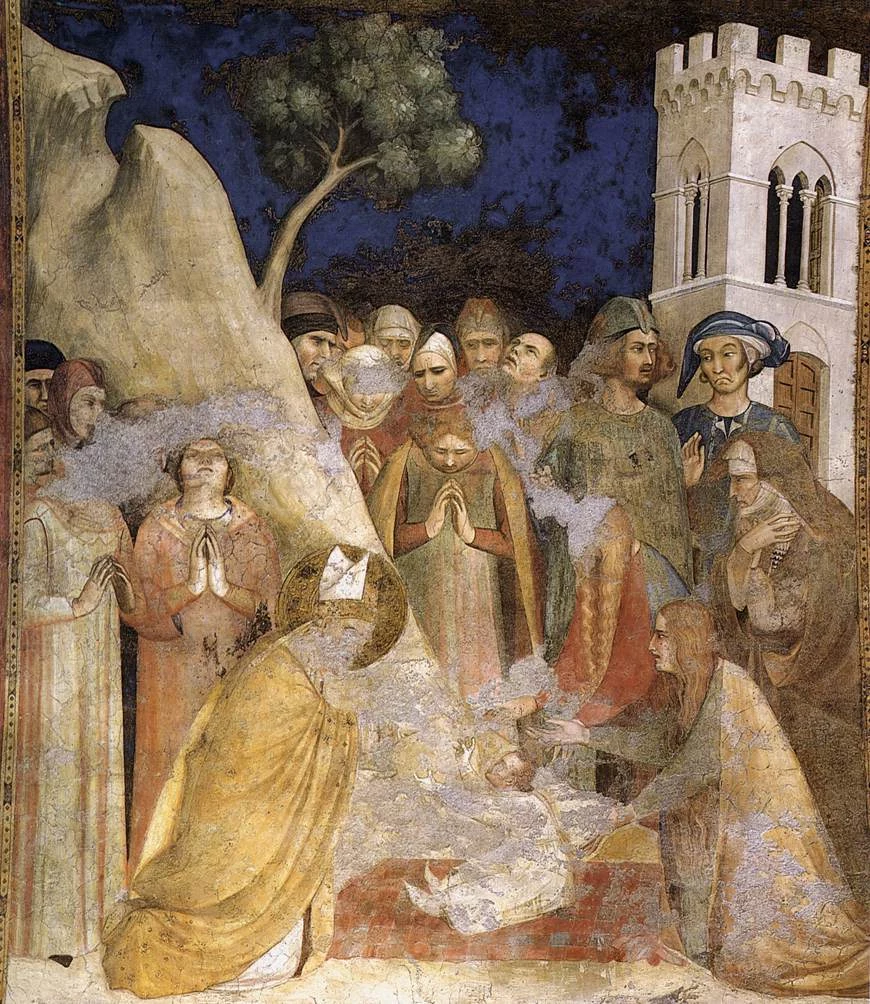
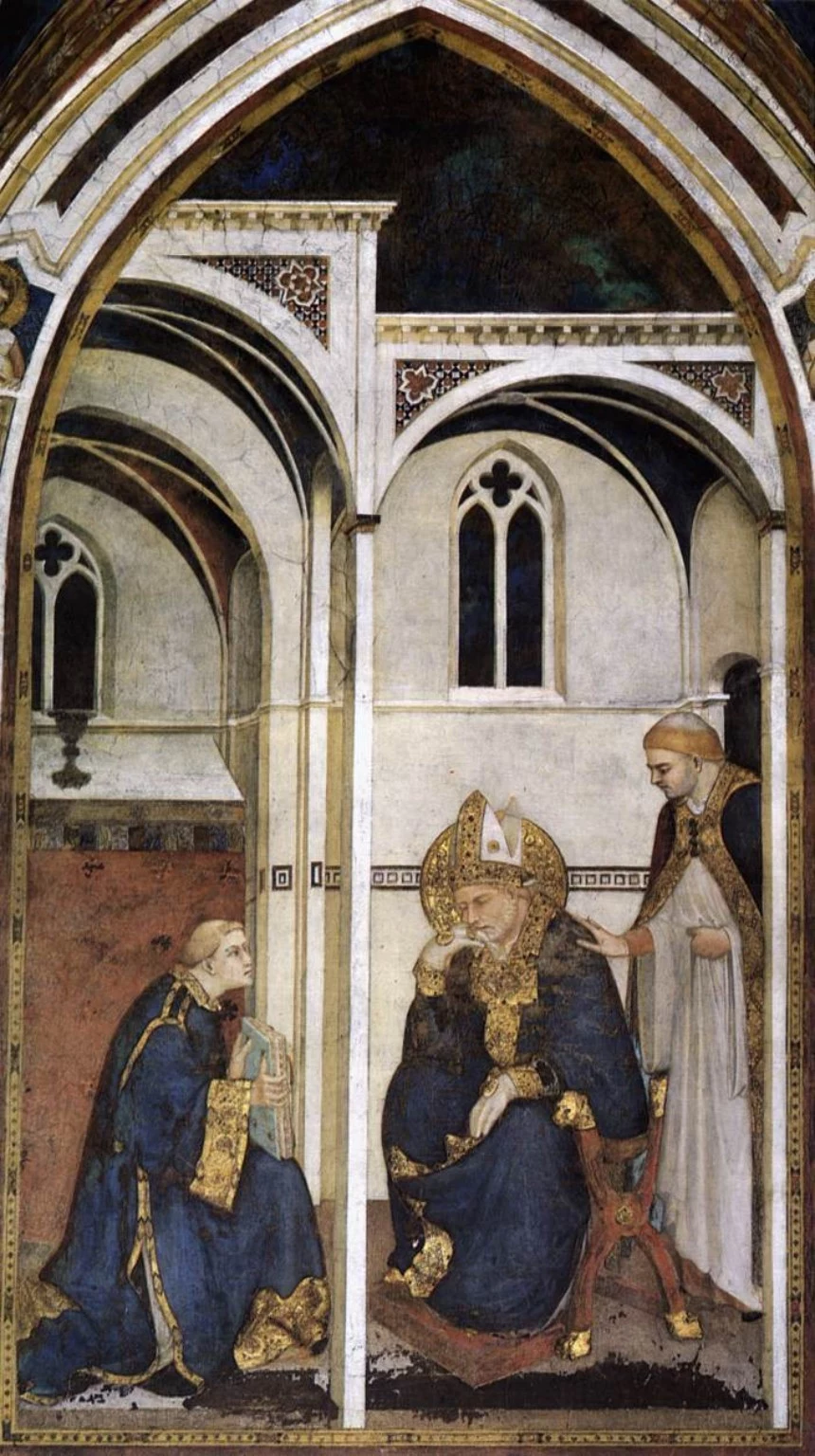
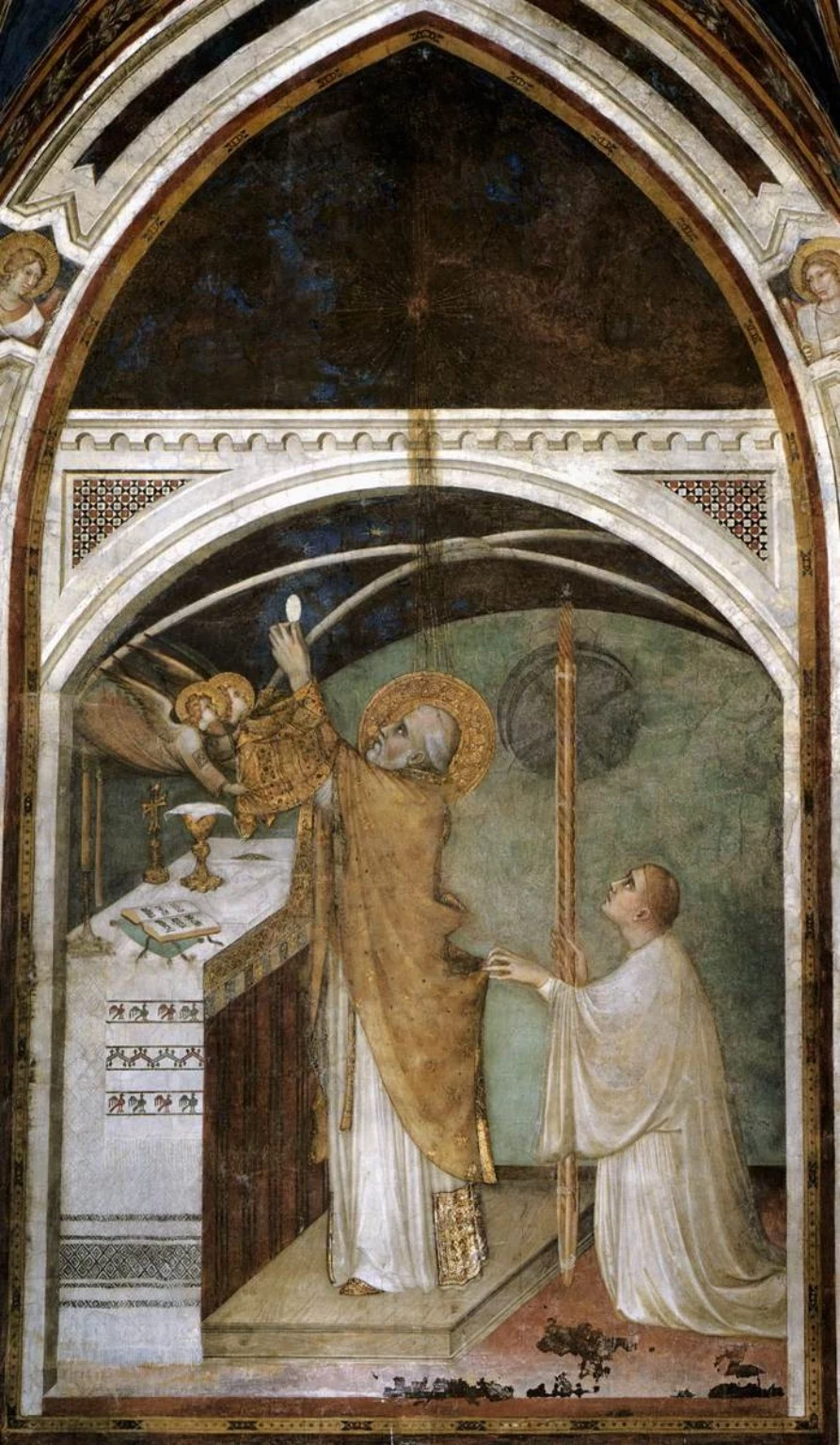
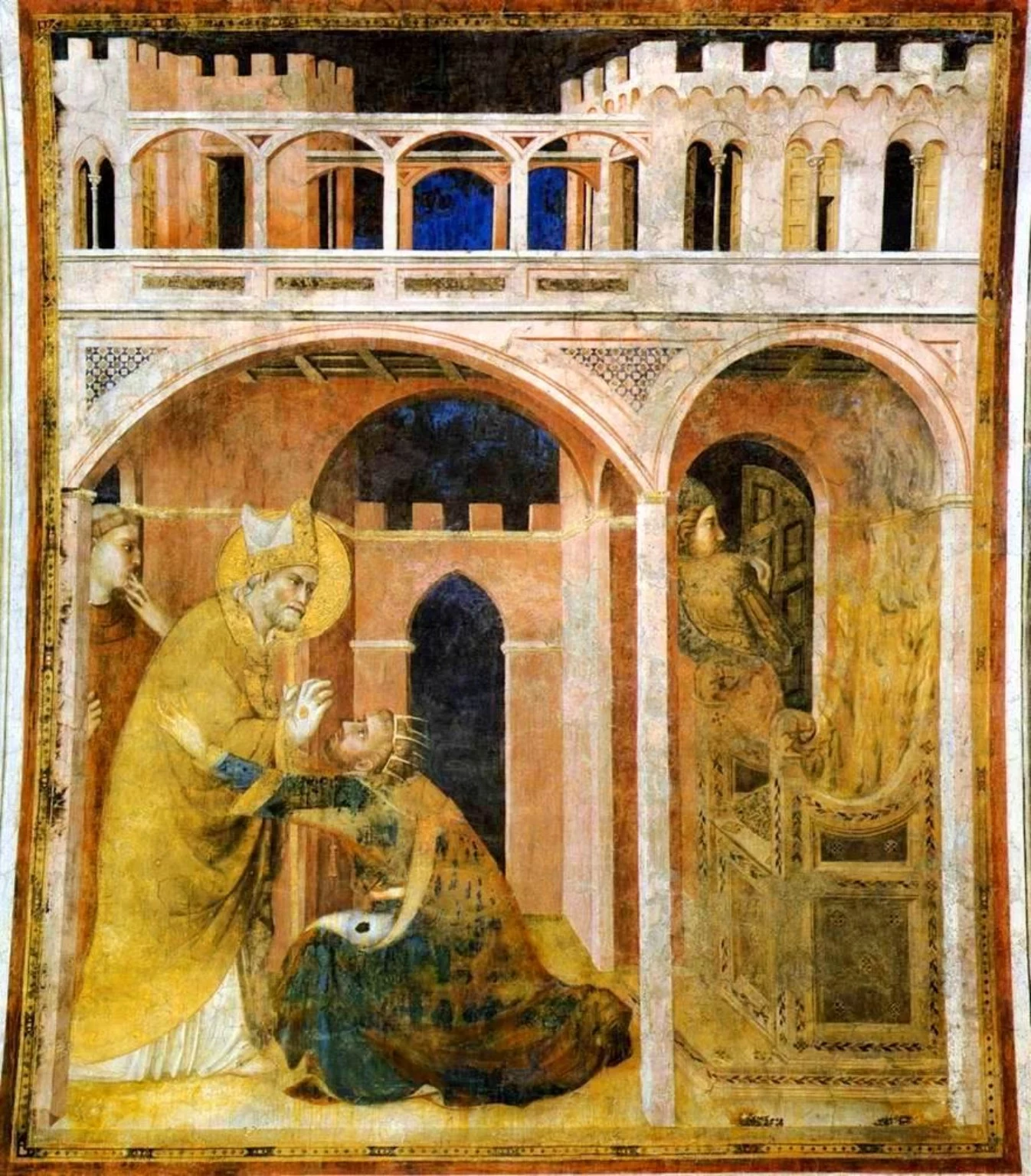
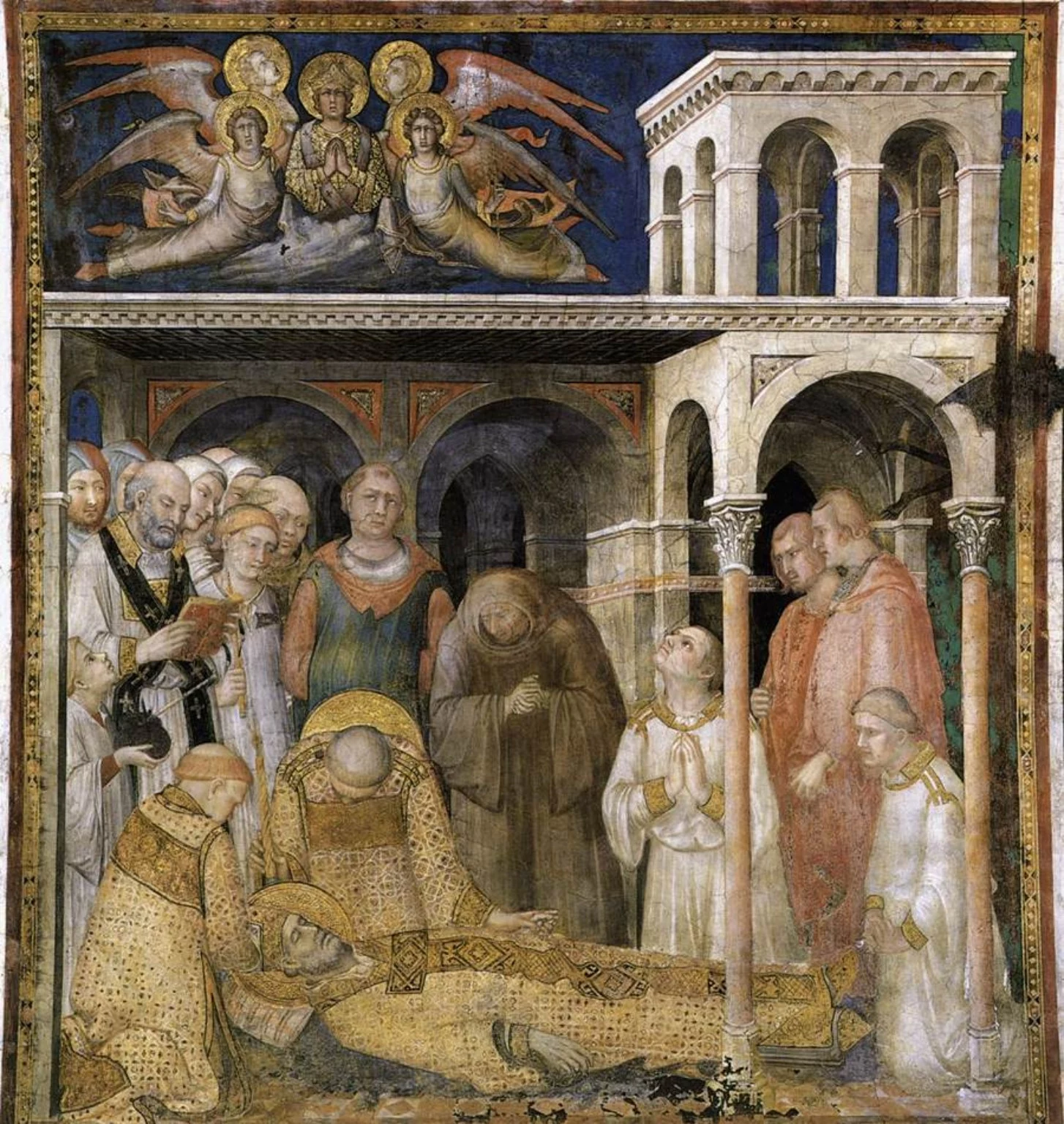
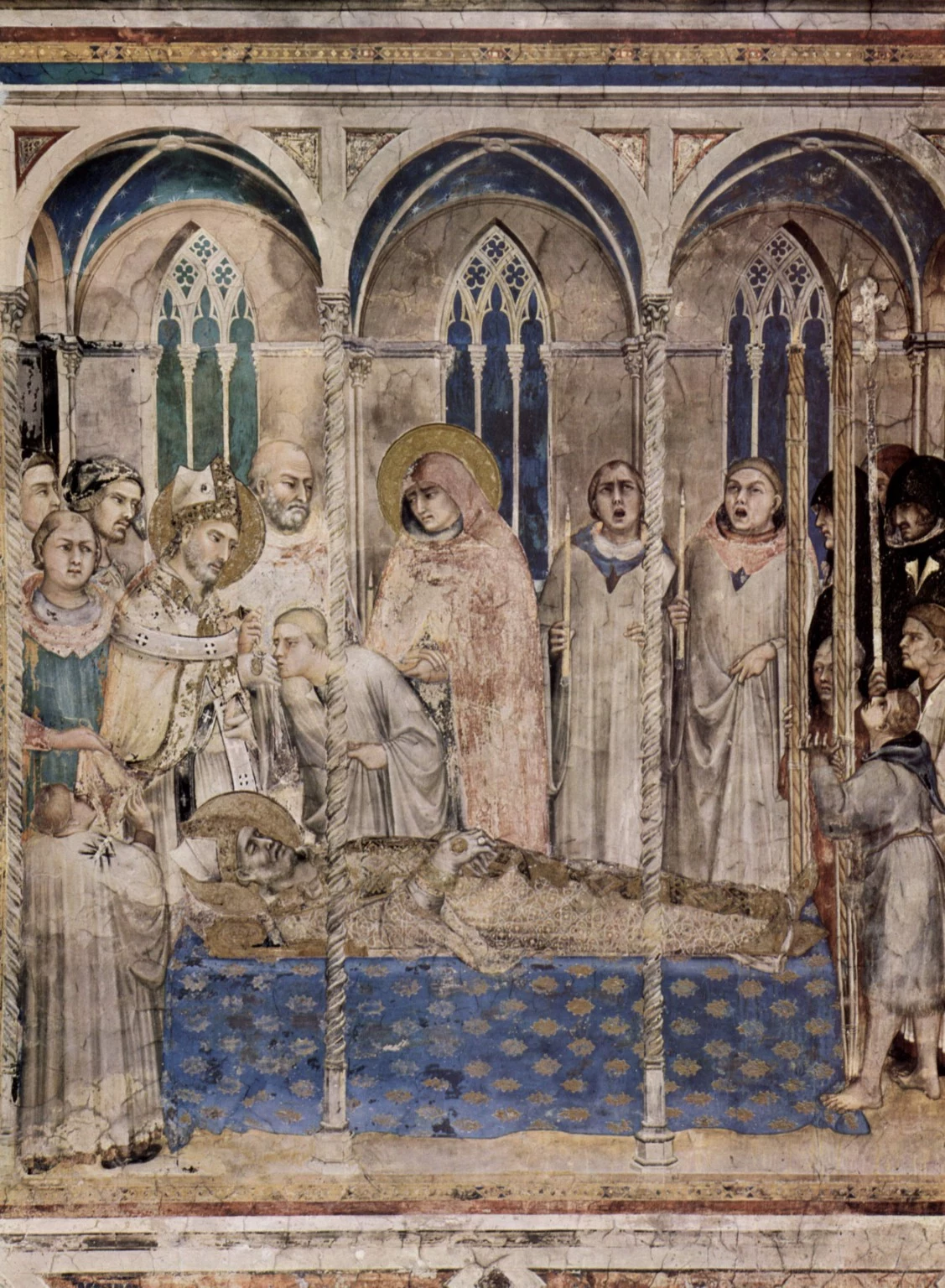
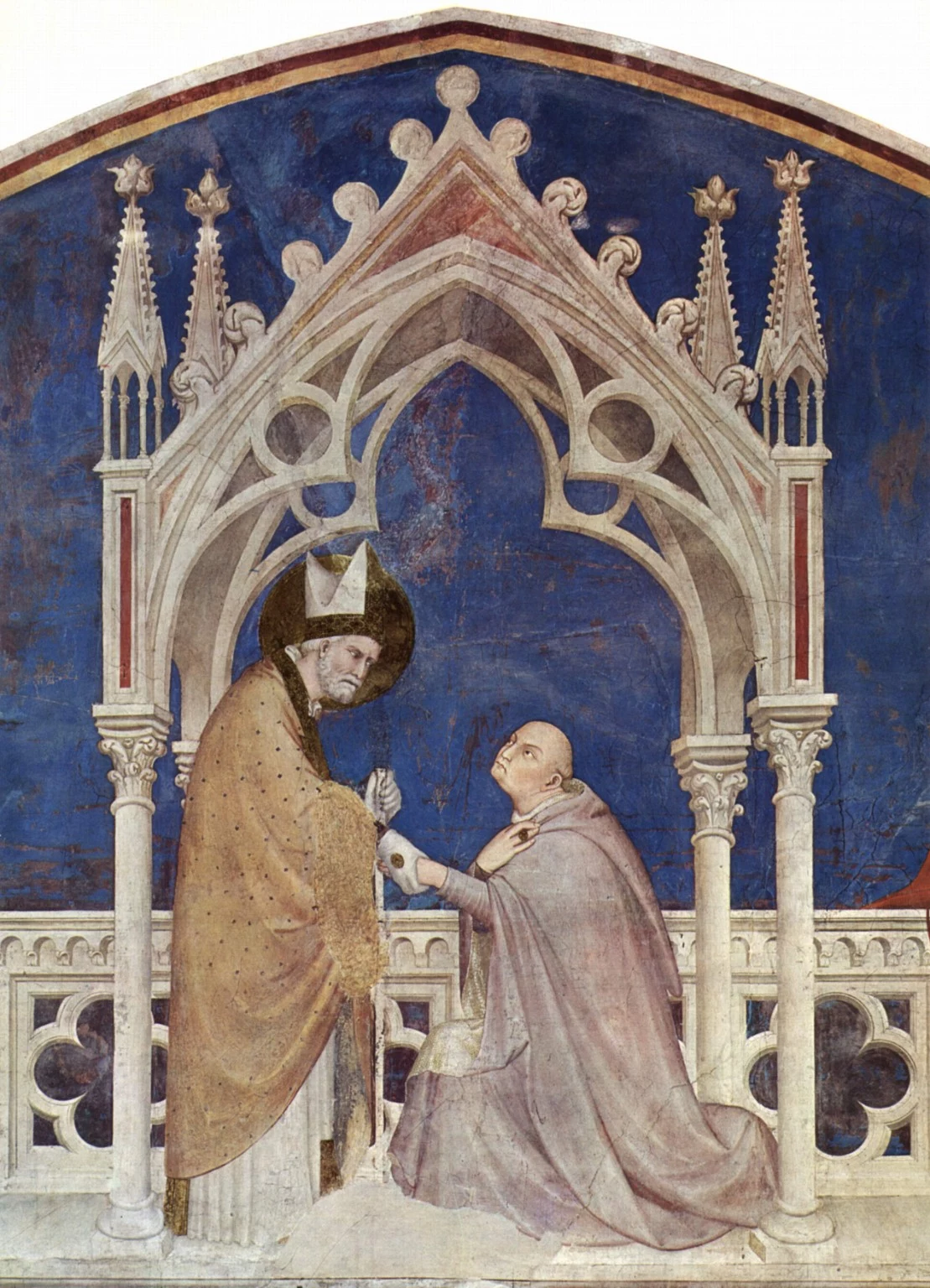
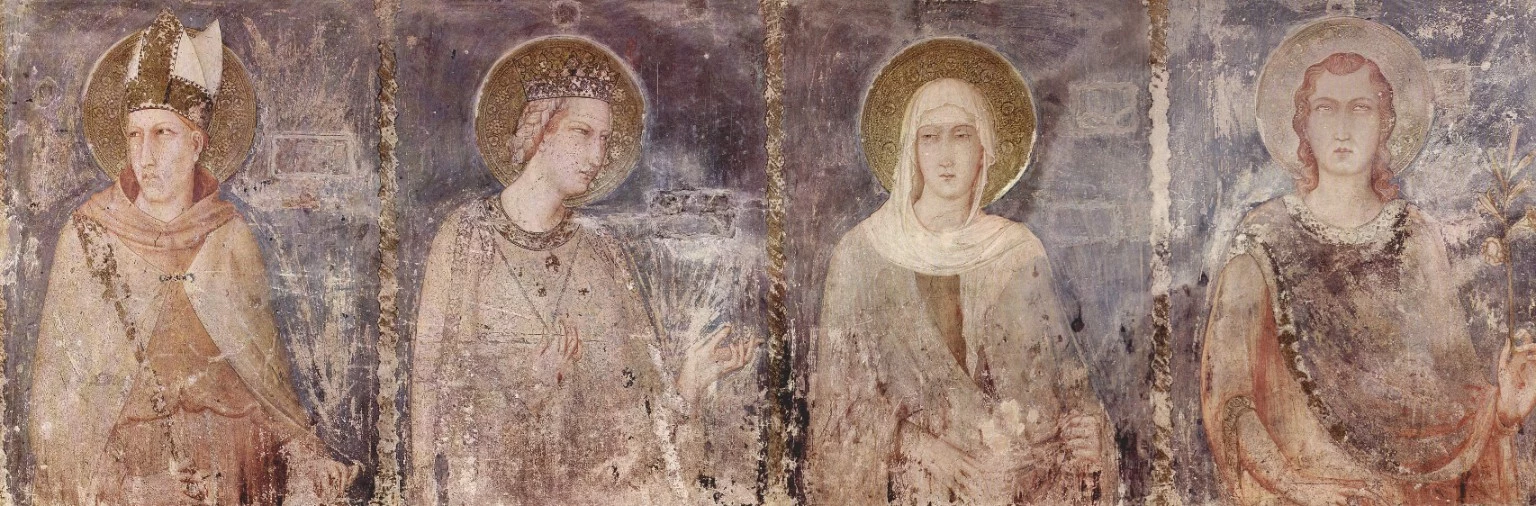
At Assisi, Martini decorated the Chapel of Saint Martin with a narrative cycle distinguished by its ceremonial splendour and psychological delicacy. The richly dressed figures, elaborate architecture and carefully orchestrated encounters reflect the visual culture of aristocratic Europe.
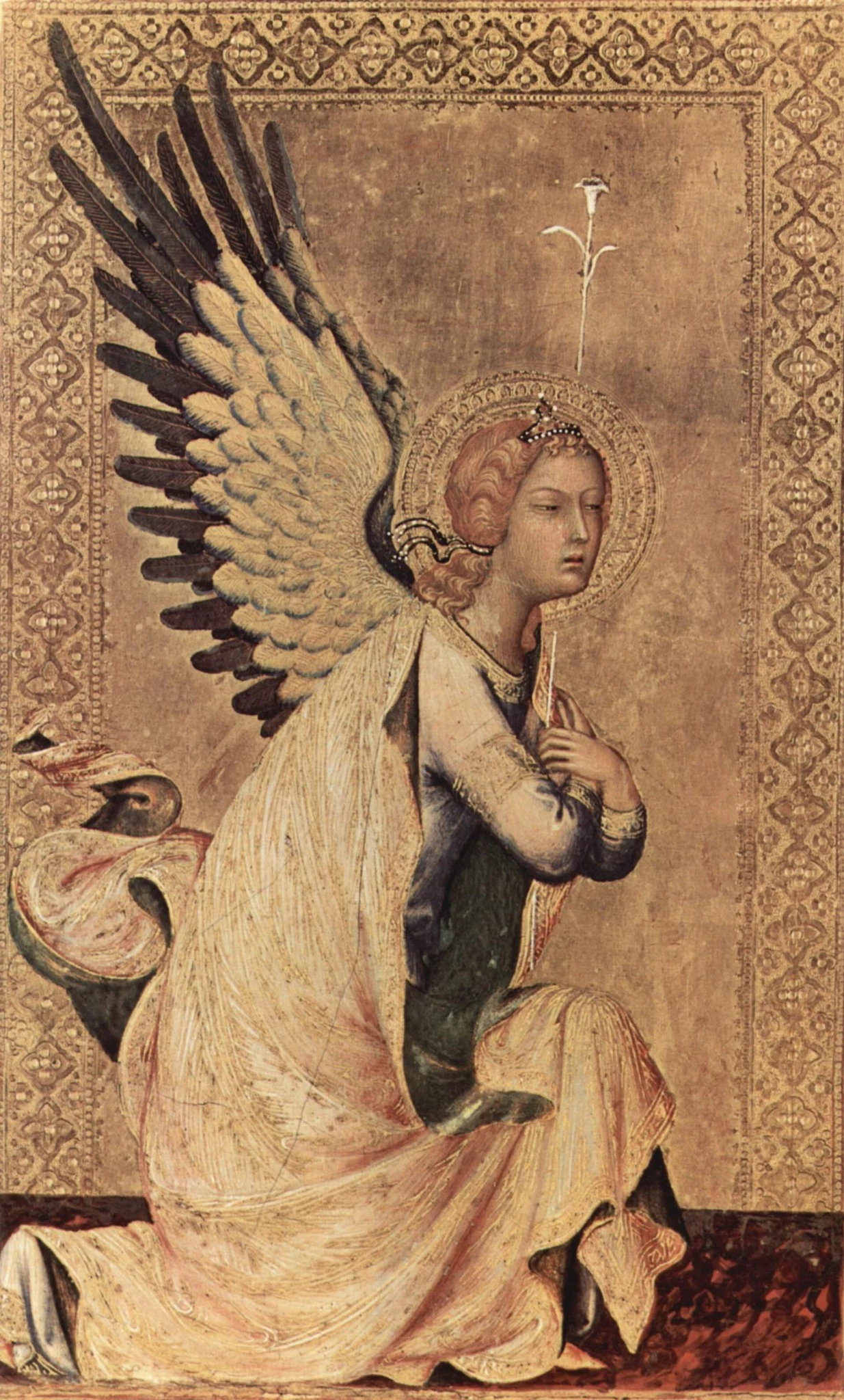
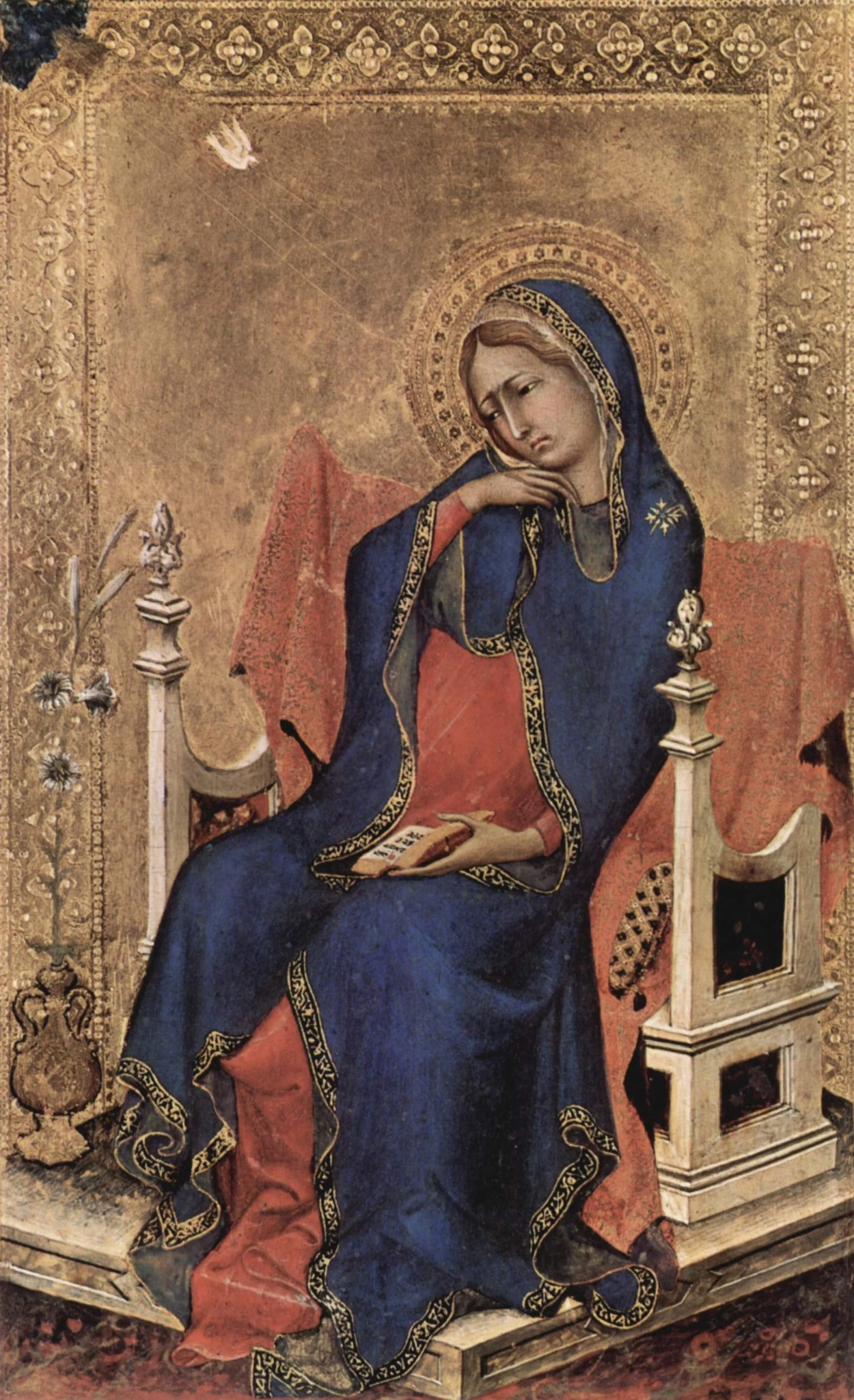
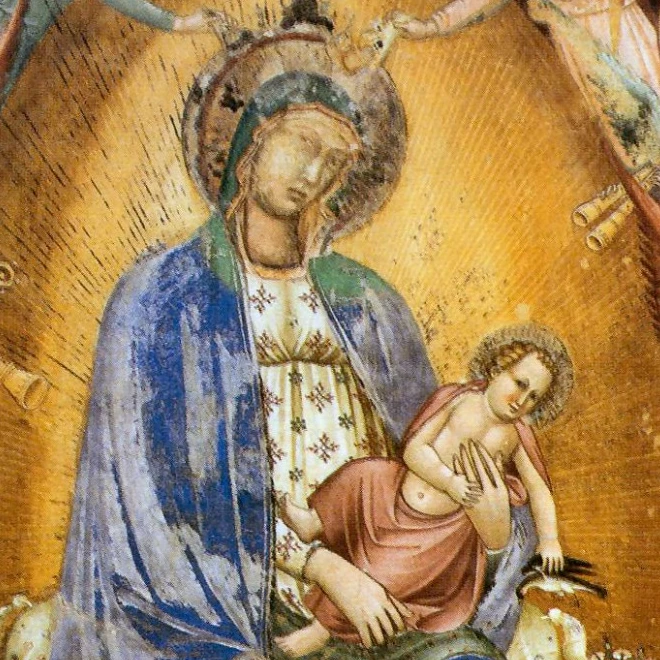
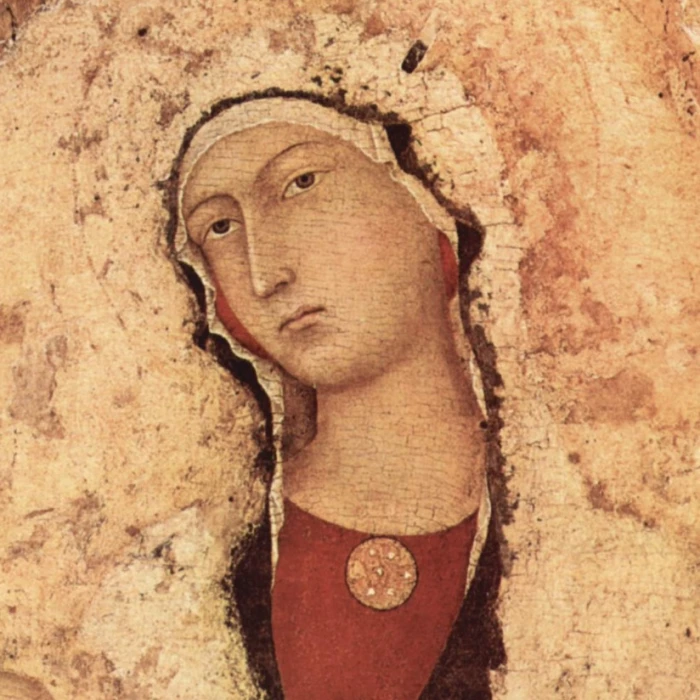
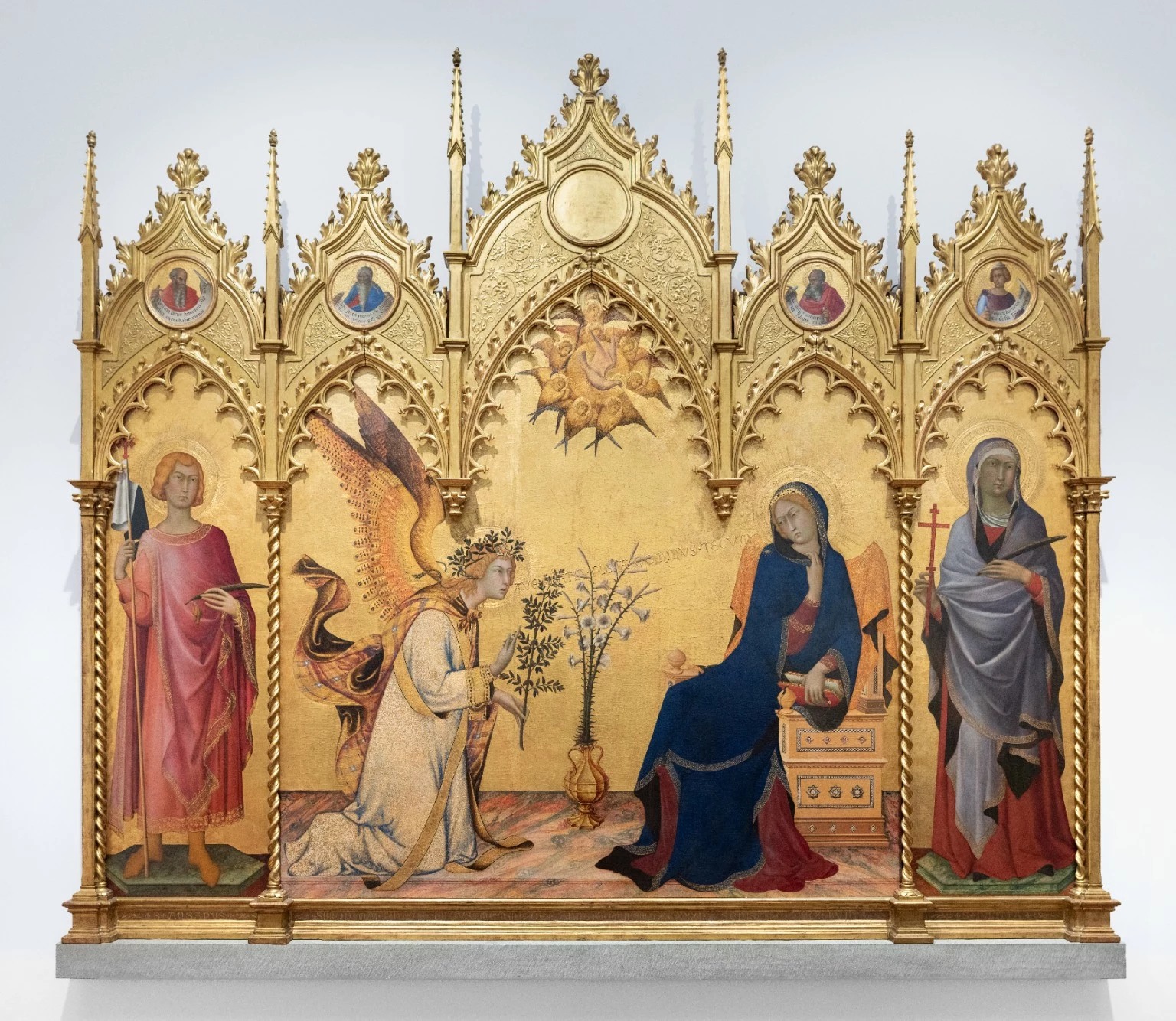
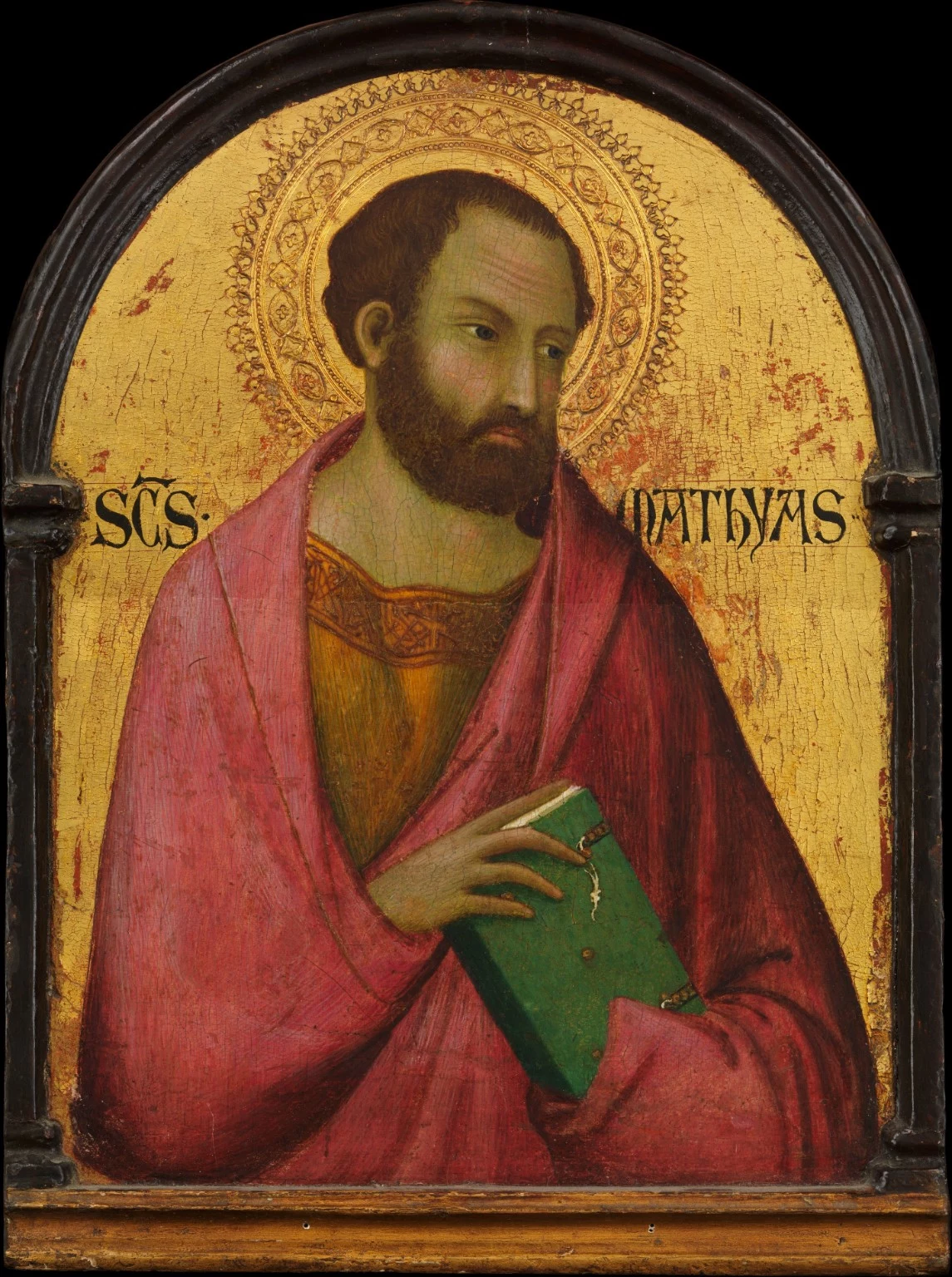
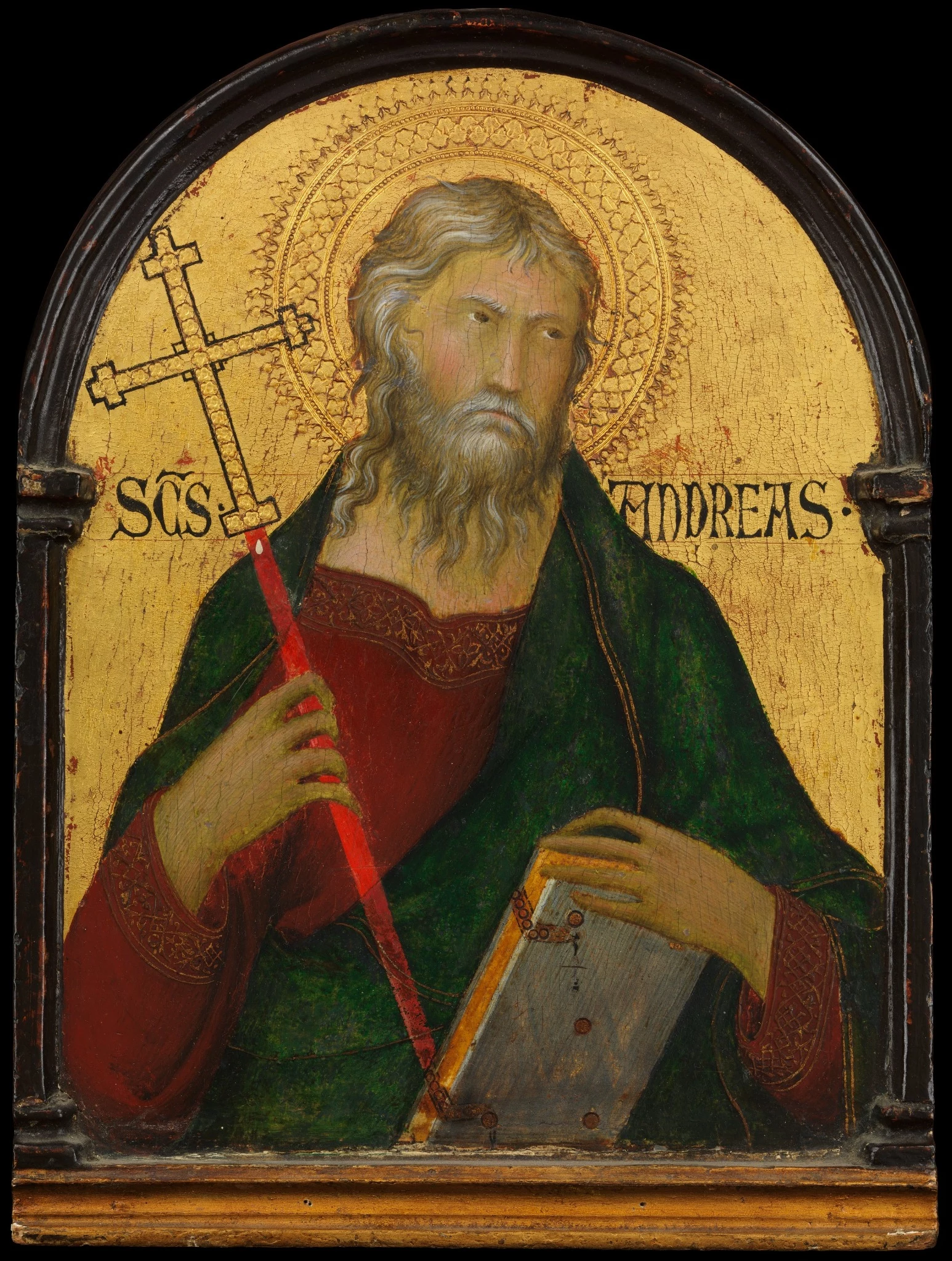
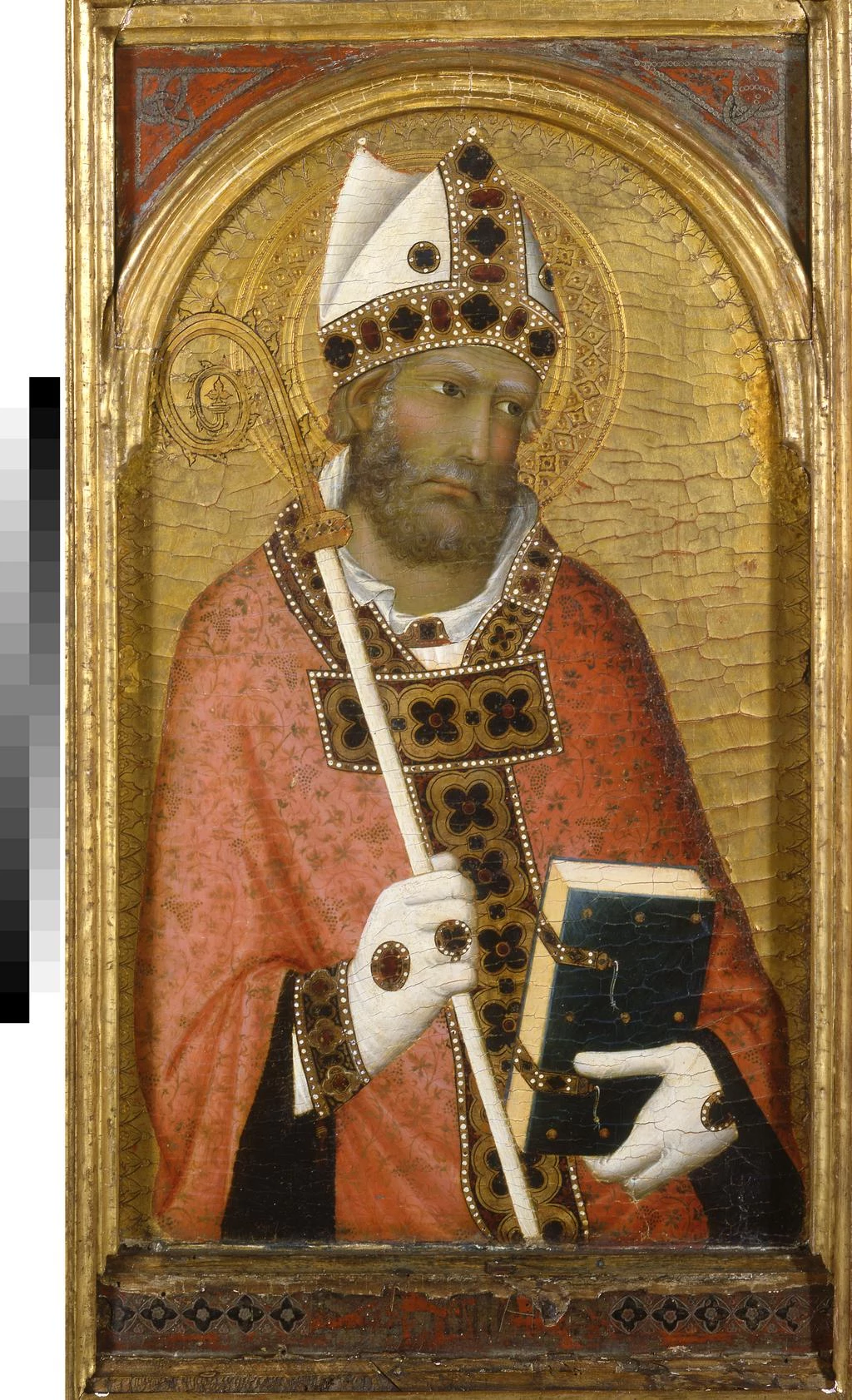
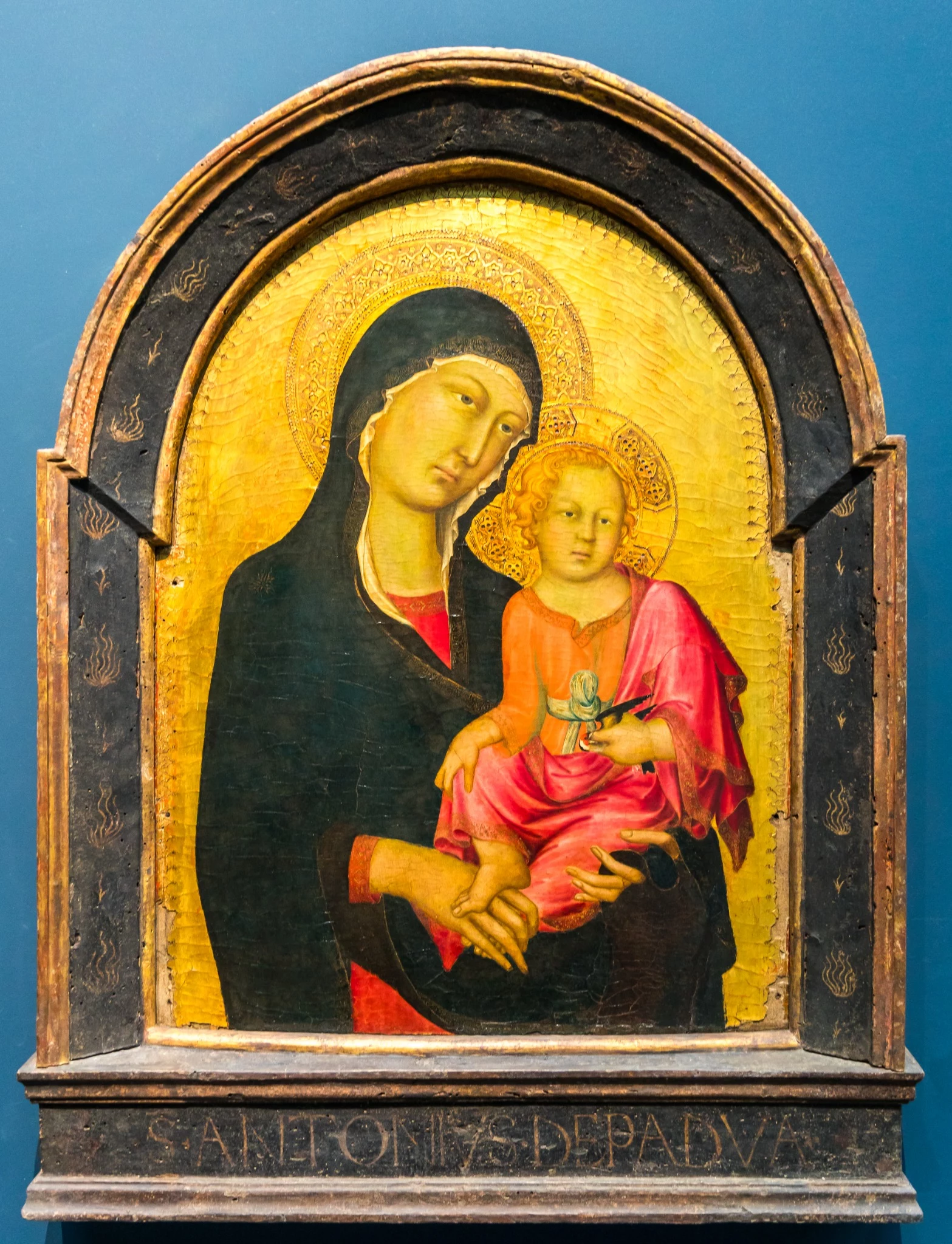
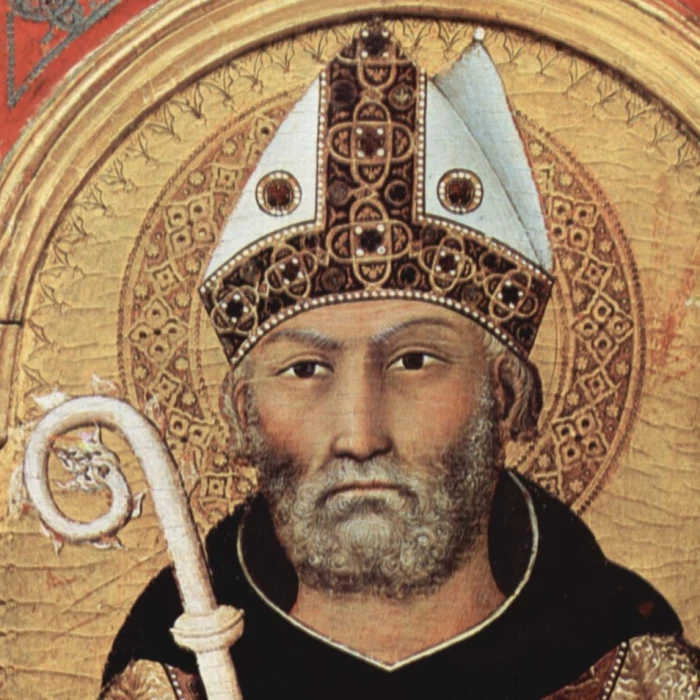
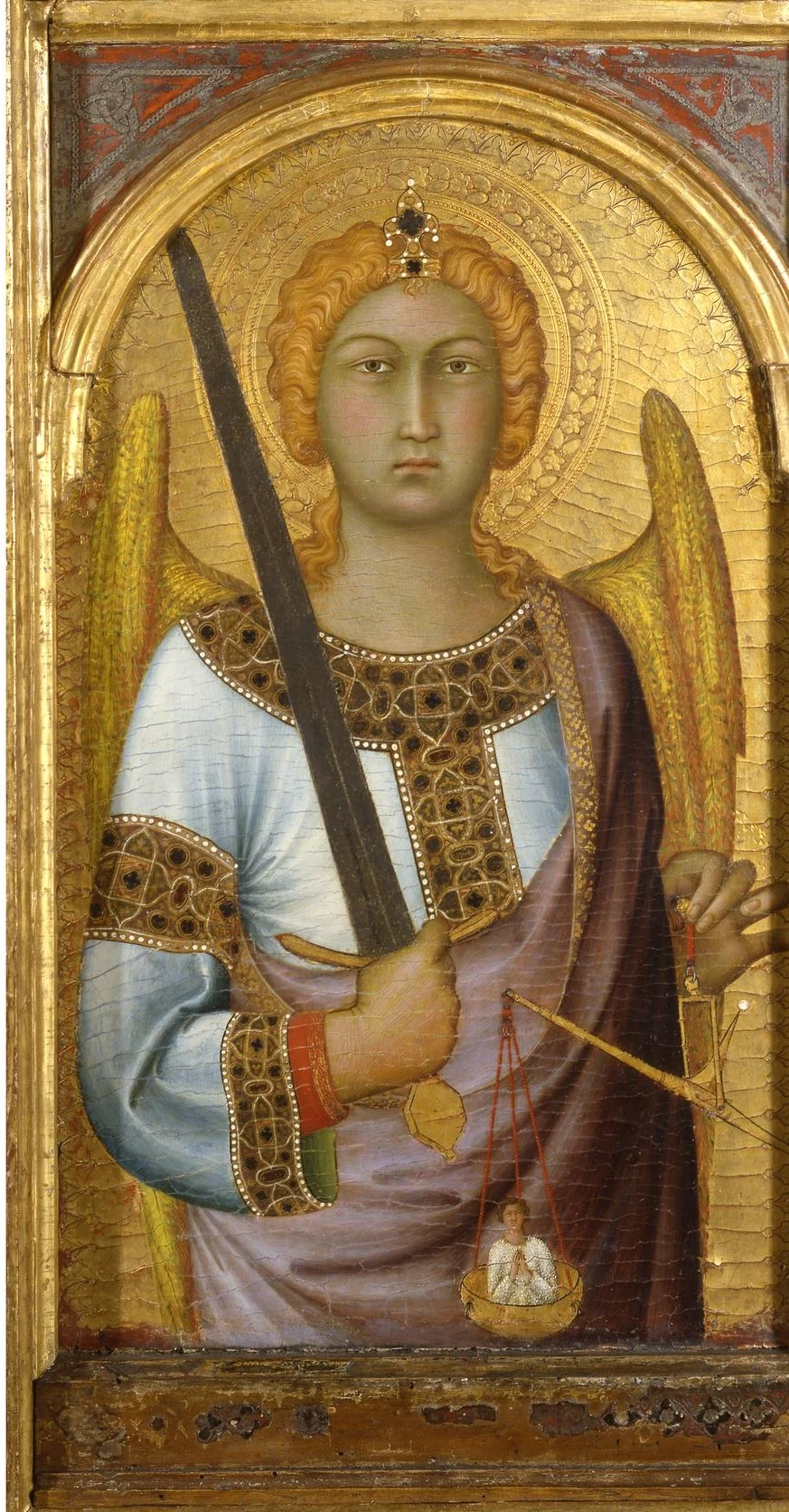
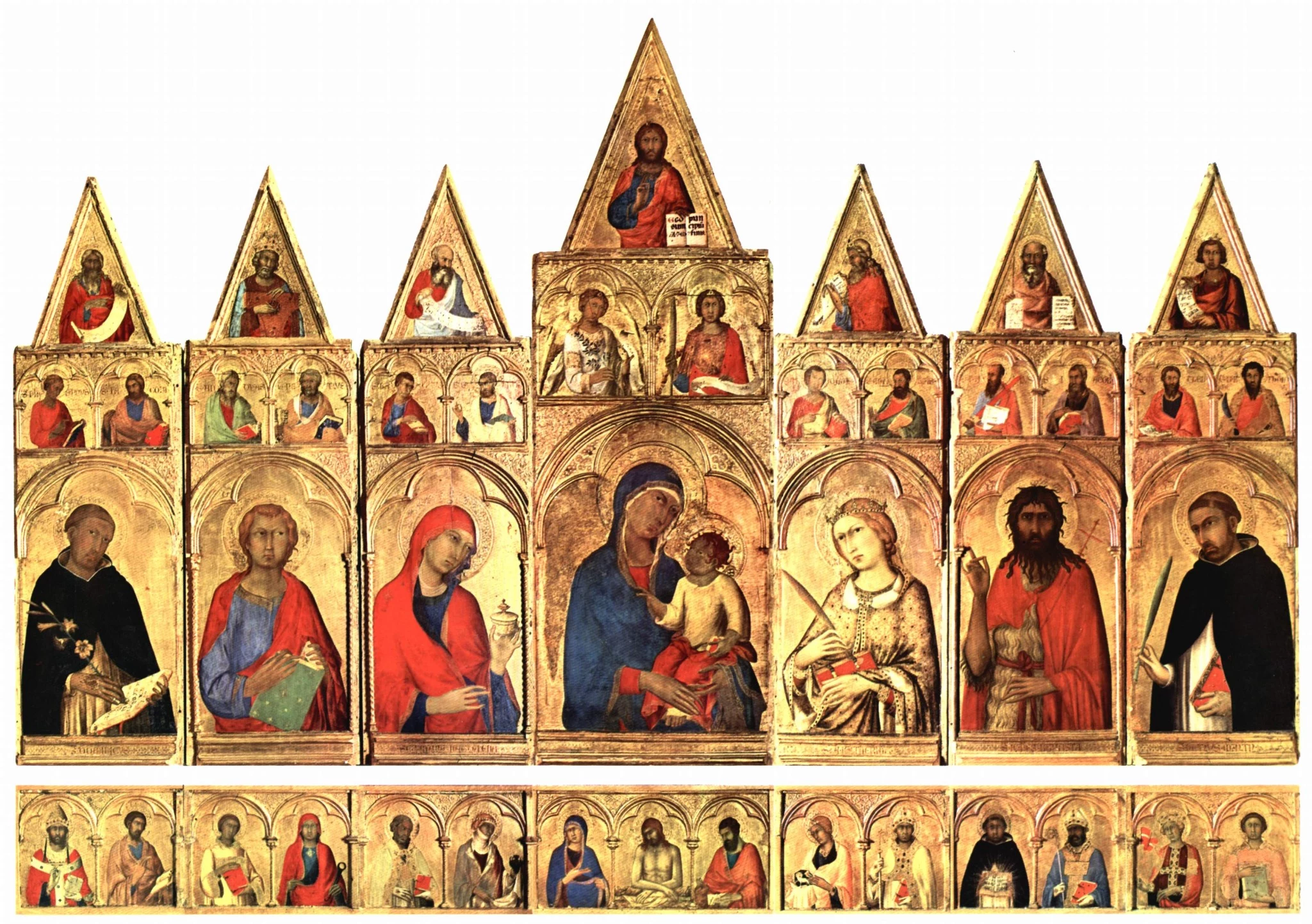
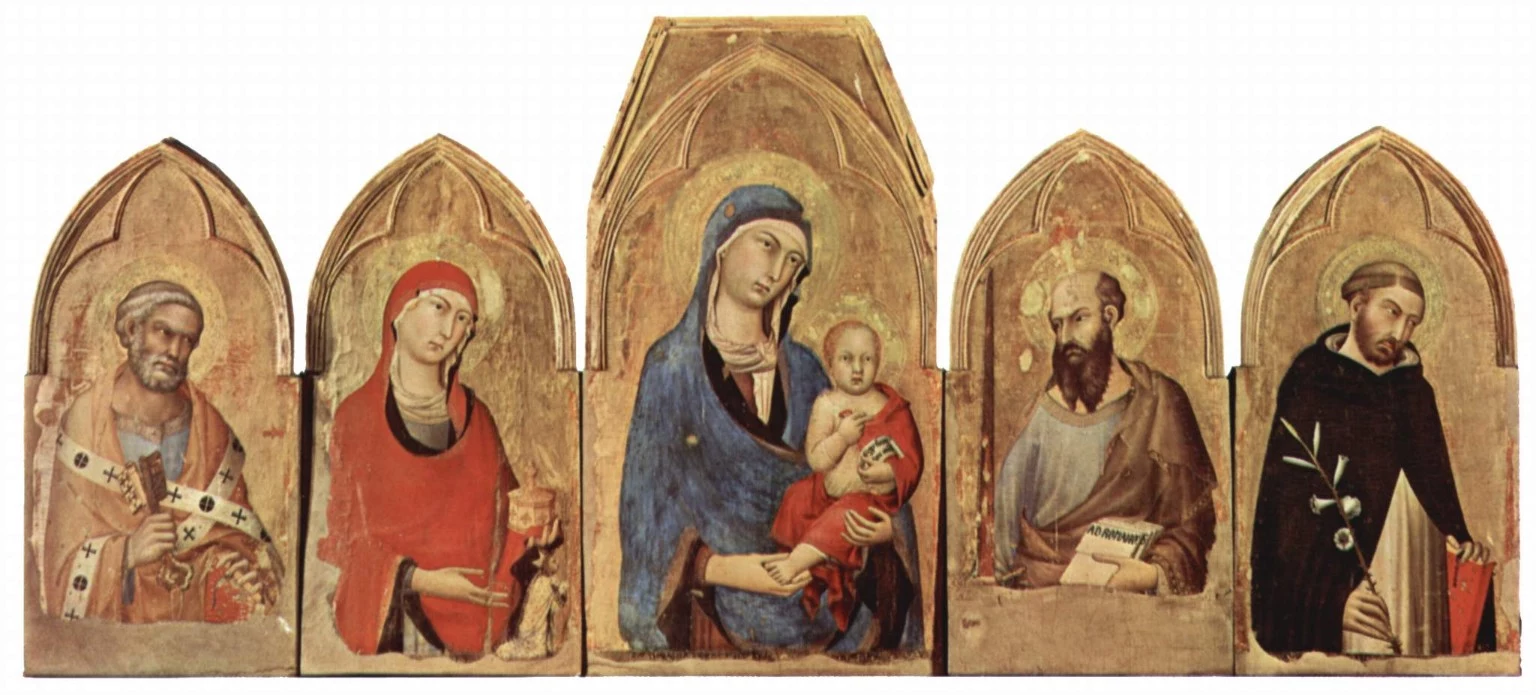
Throughout his mature career, Martini produced major altarpieces for religious institutions in Siena, Pisa and Orvieto. His collaboration with Lippo Memmi culminated in the Annunciation now preserved in the Uffizi Gallery. Its flowing lines, brilliant gold ground and exquisite balance of movement and stillness exemplify his distinctive artistic achievement.
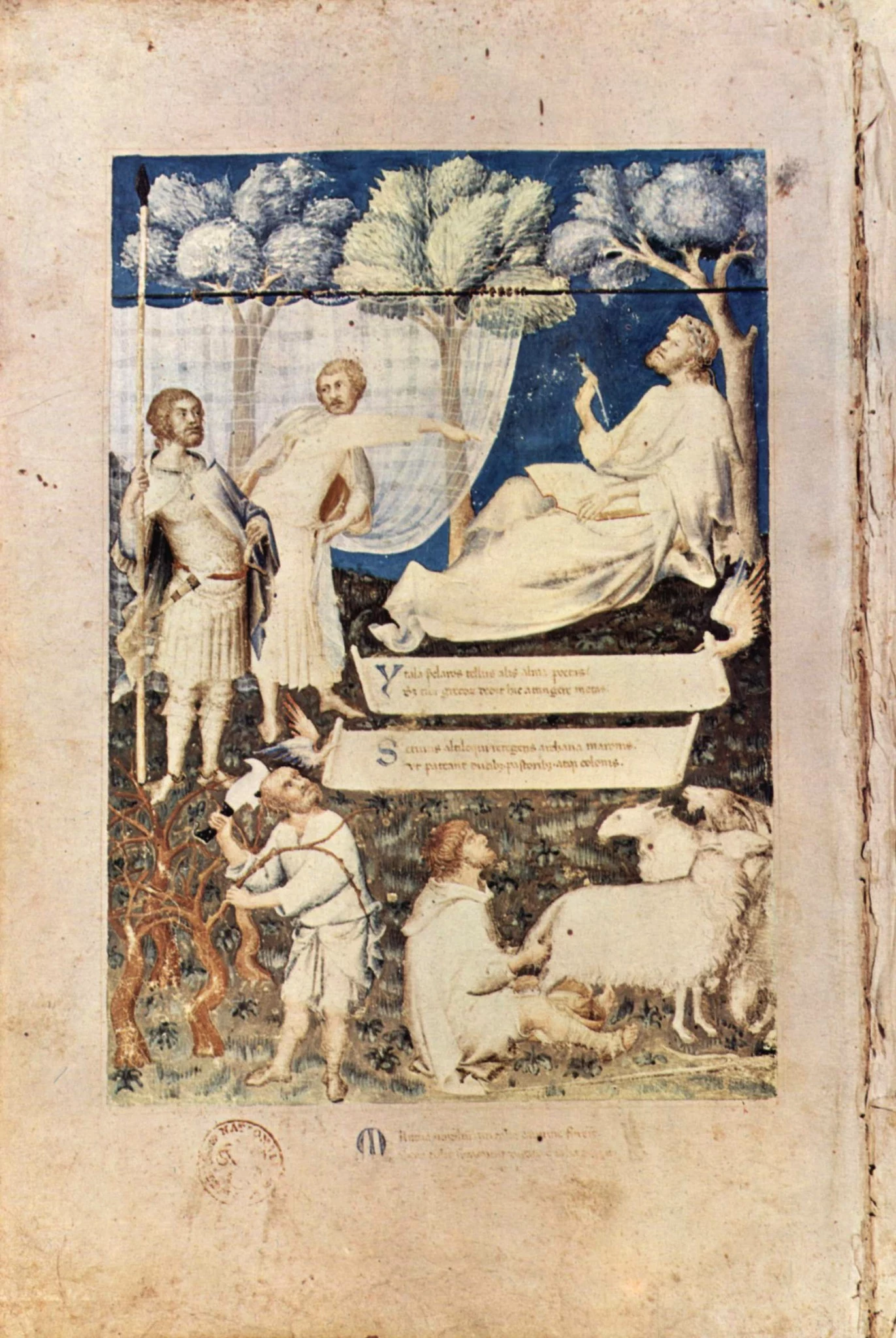
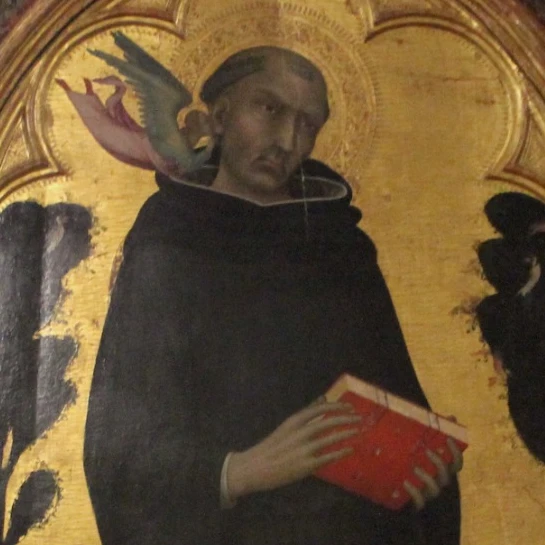
During the final phase of his life, Martini moved to Avignon, then the residence of the papal court. His artistic language found a receptive audience among influential patrons and intellectuals, including Francesco Petrarch. For the poet, he illuminated the frontispiece of a manuscript containing the works of Virgil.
Martini died in Avignon, leaving an artistic legacy that extended far beyond Tuscany. His poetic treatment of religious subjects and his exceptional refinement helped shape the visual language of late medieval Europe.
Etapa inicial
Etapa de madurez
Etapa final