
Duccio di Buoninsegna
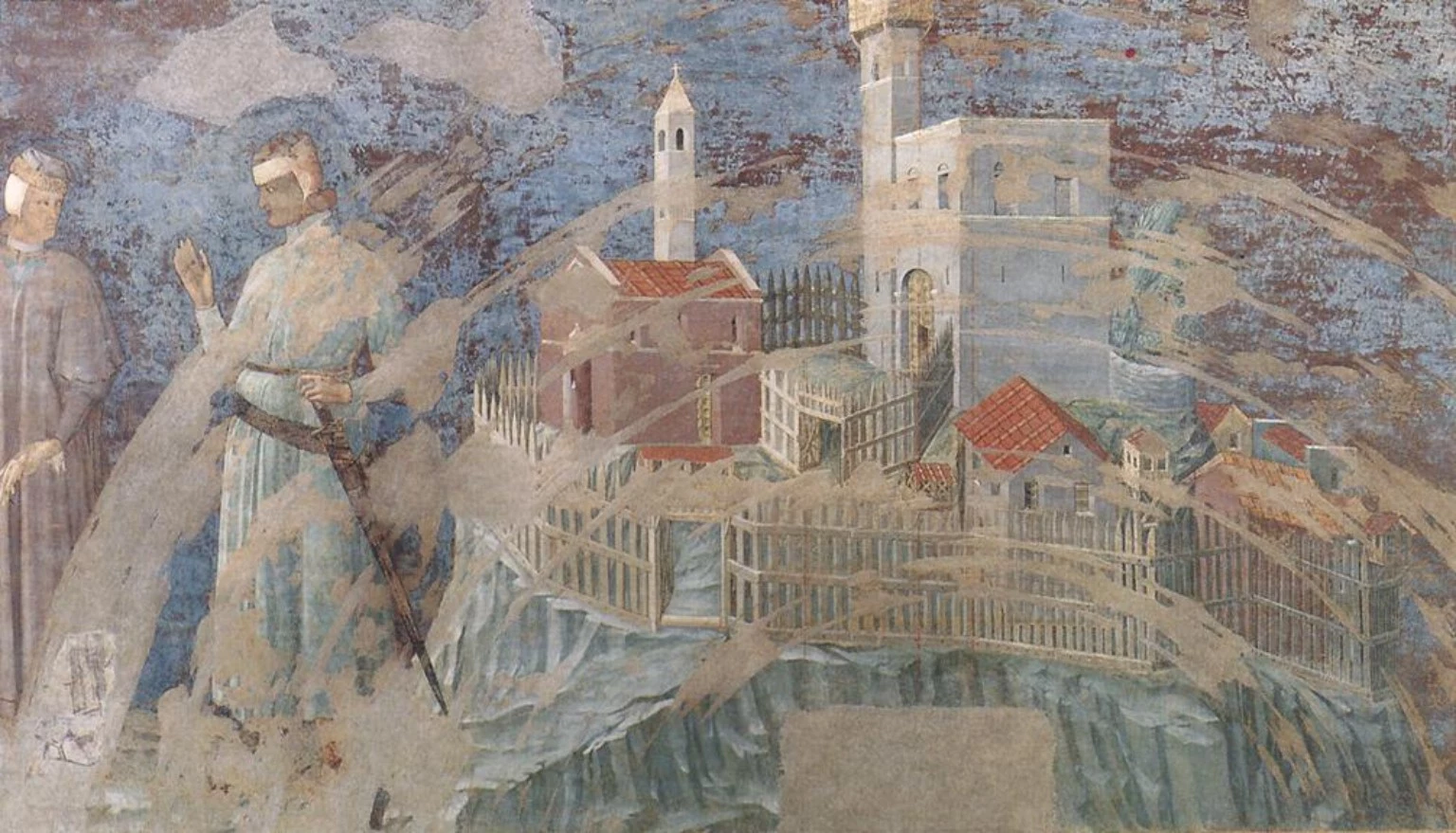
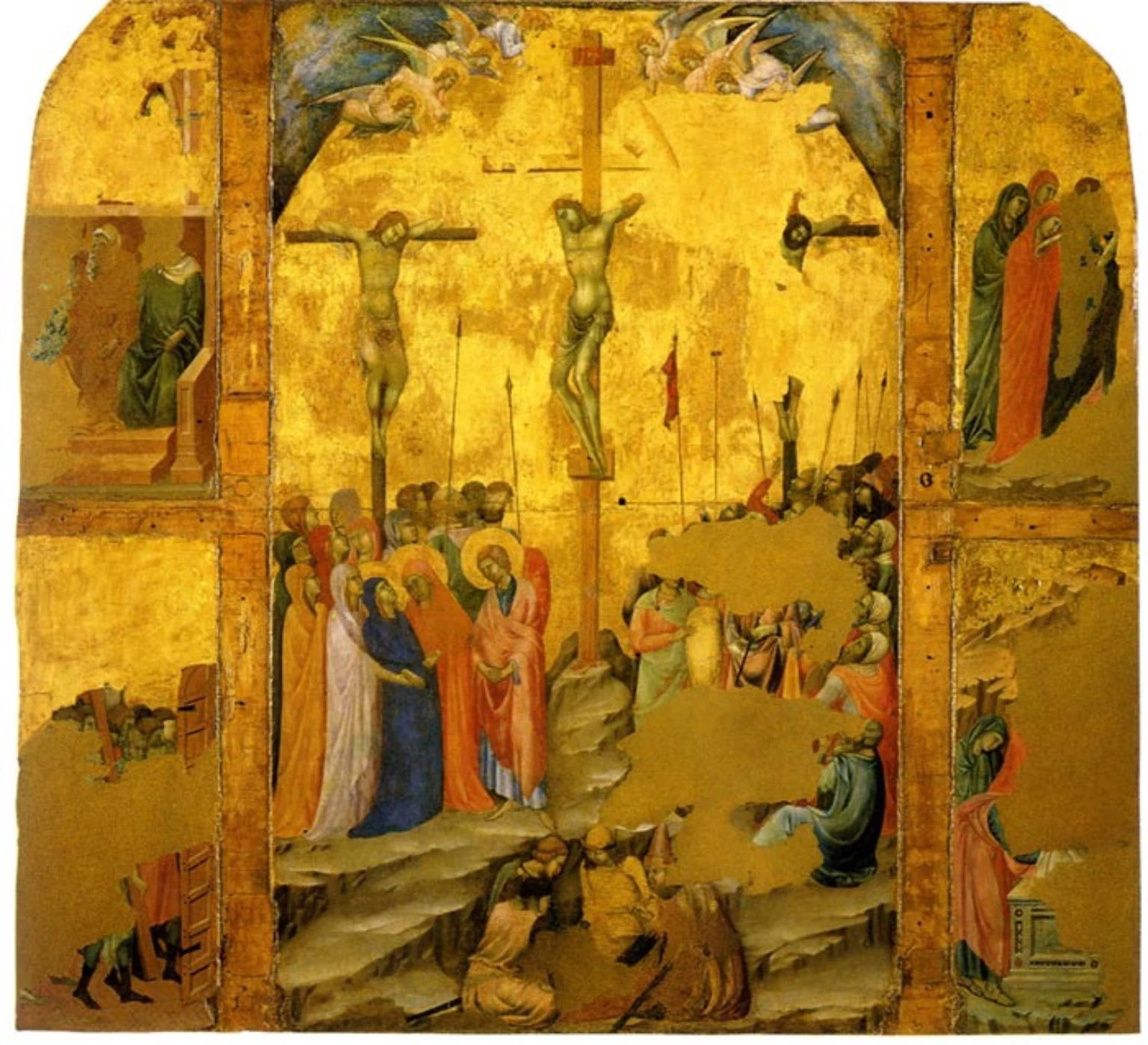
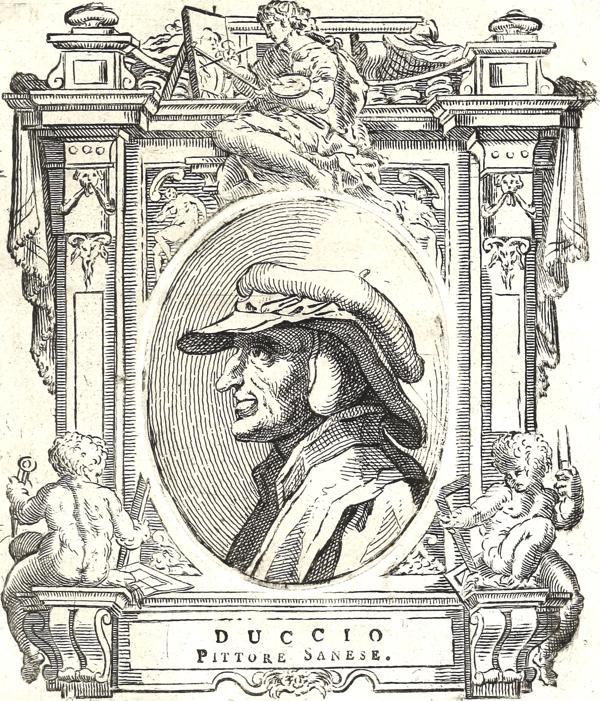
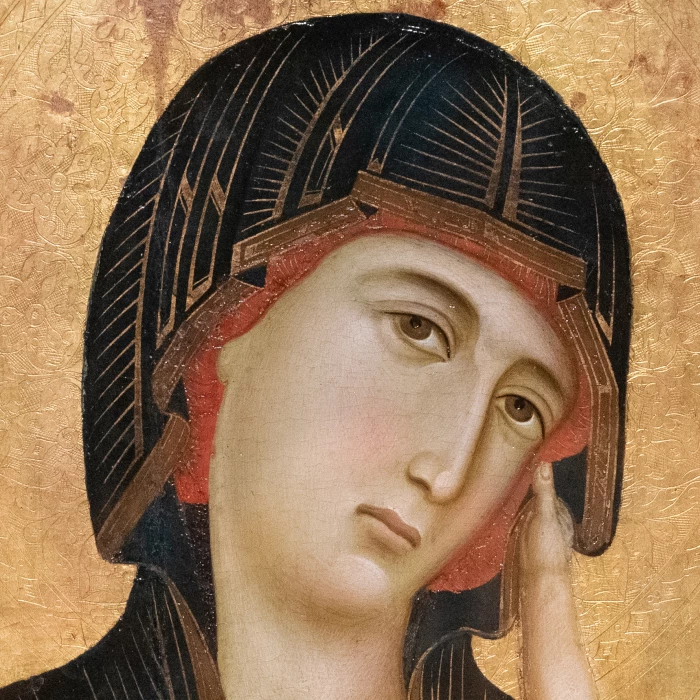
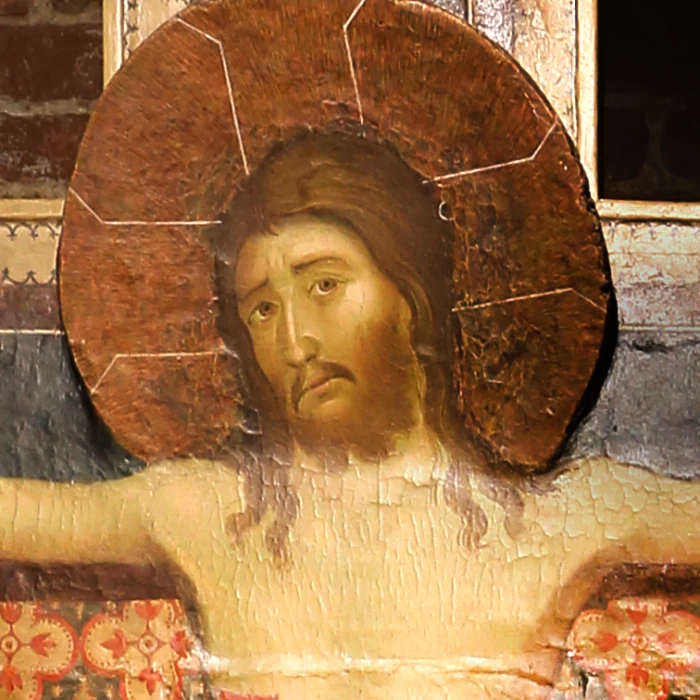
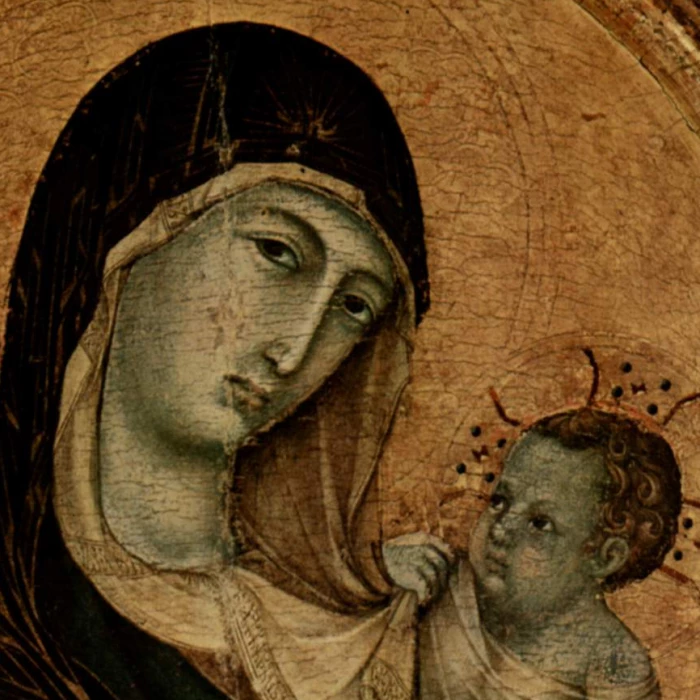
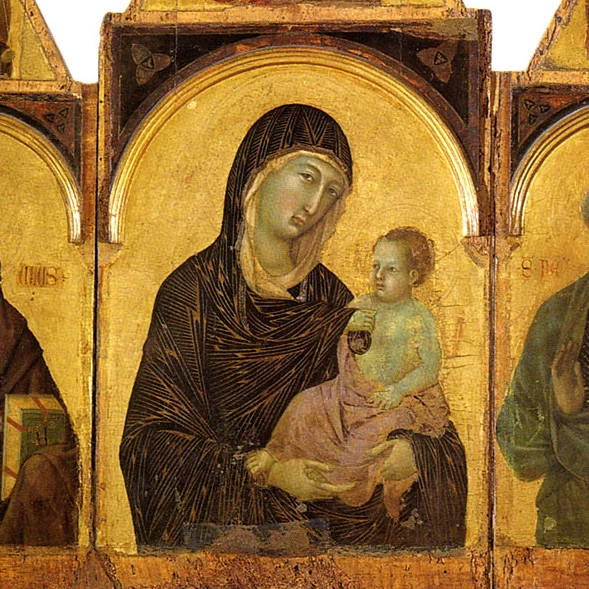
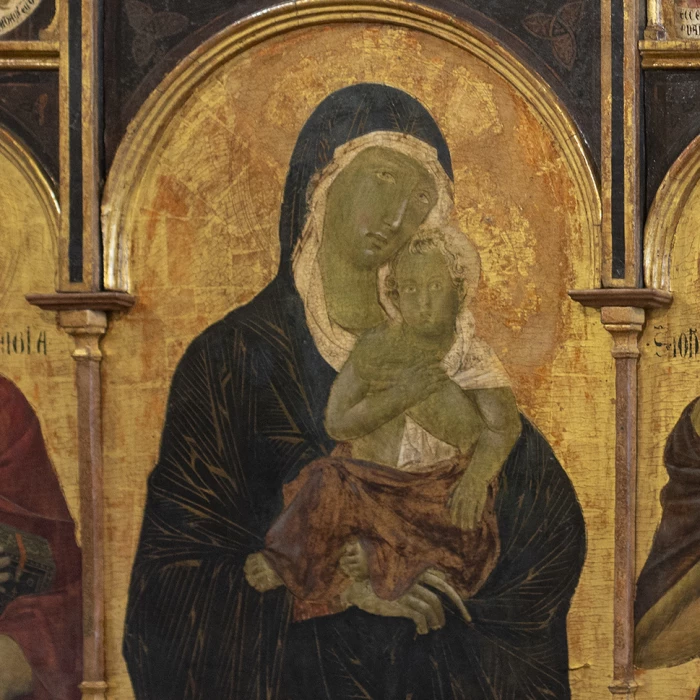
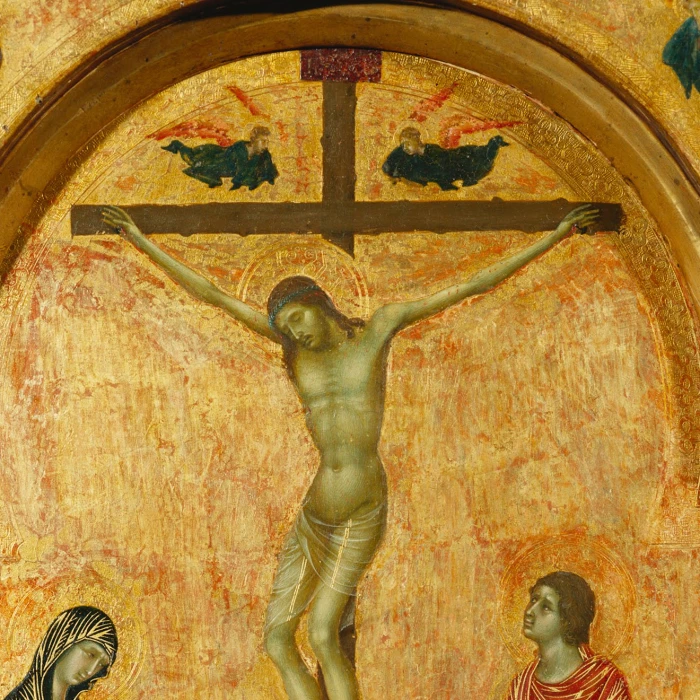
Duccio di Buoninsegna was one of the leading innovators of medieval Italian painting and a foundational figure of the Sienese school. Working between the late thirteenth and early fourteenth centuries, he developed a distinctive artistic language that combined the solemnity of Byzantine traditions with the elegance, emotional sensitivity and decorative sophistication of Gothic art.
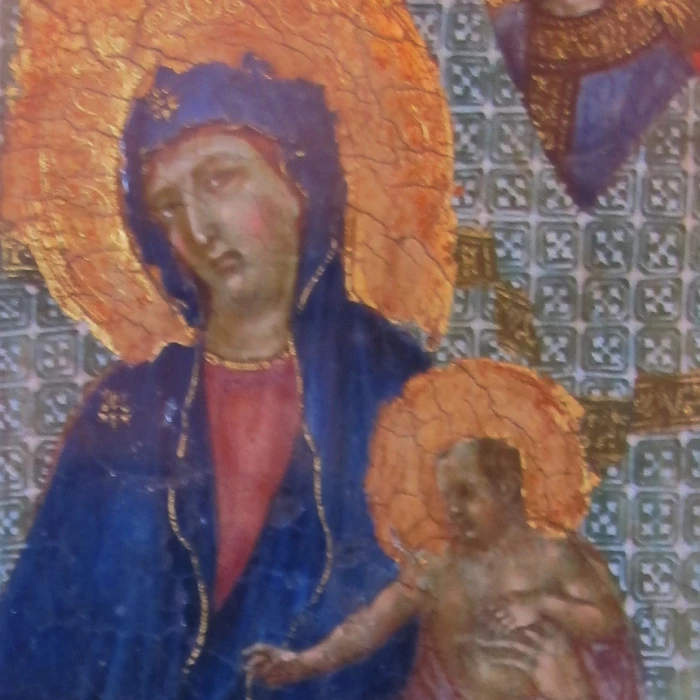
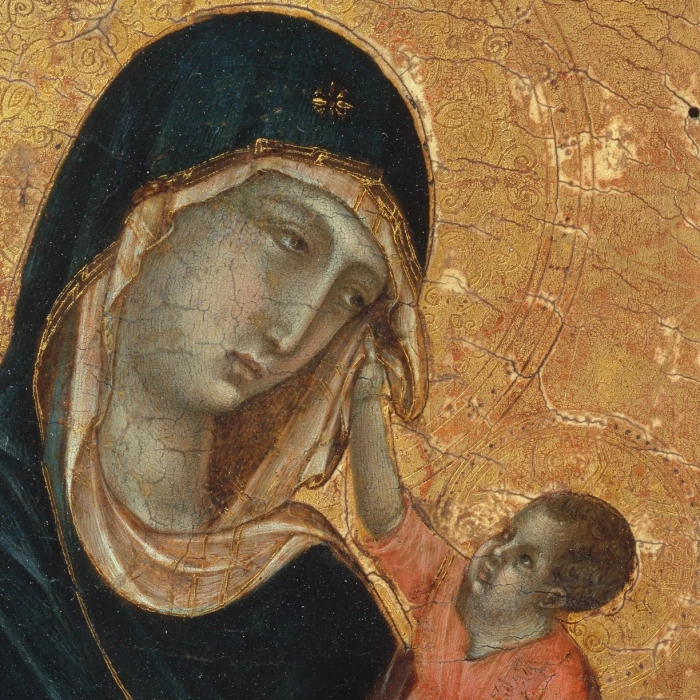
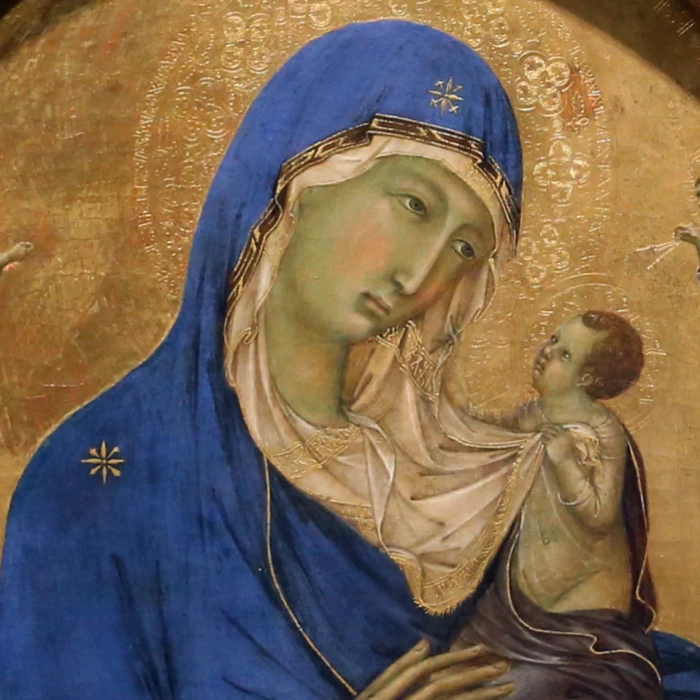
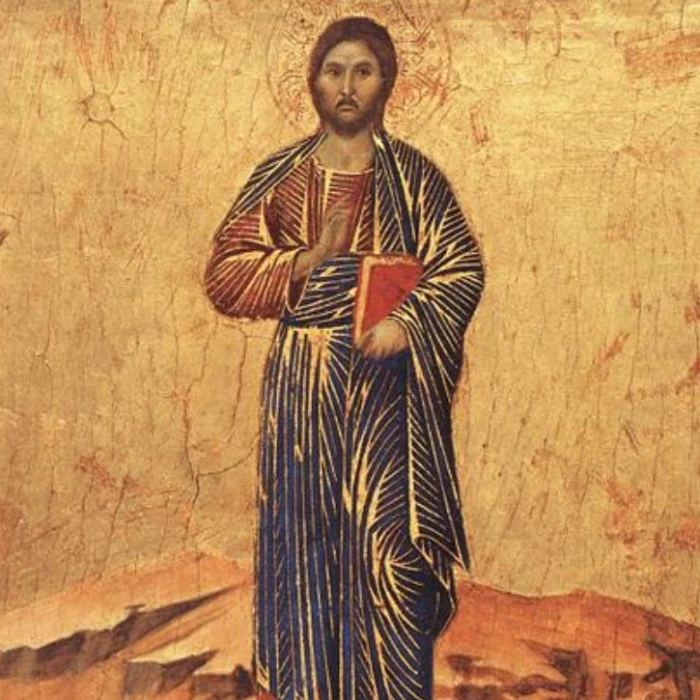
Documented in Siena from 1278, Duccio gradually introduced a more natural and intimate treatment of religious figures. His compositions retained the gold backgrounds and symbolic conventions of medieval sacred painting, while incorporating fluid lines, subtle colours and increasingly convincing human gestures.
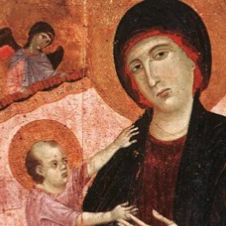
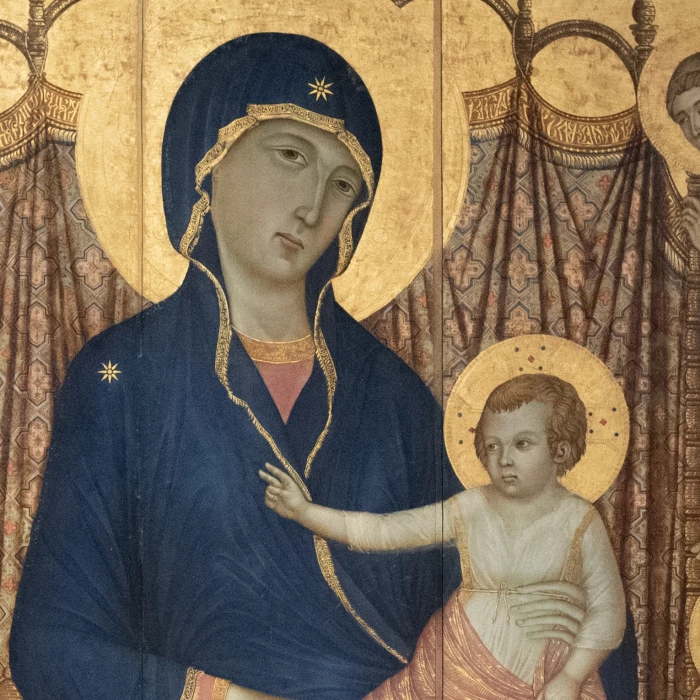
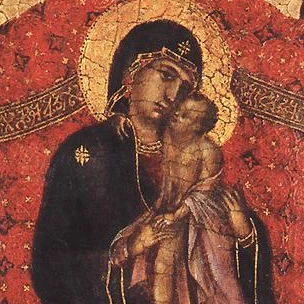
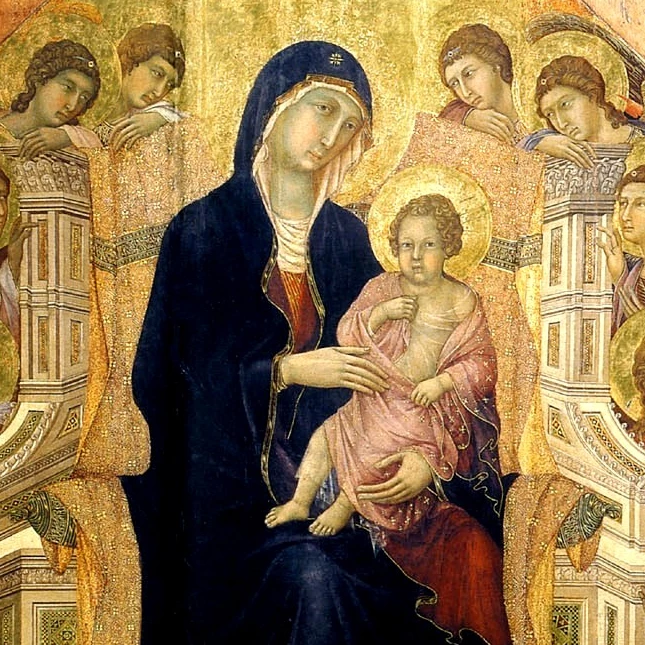
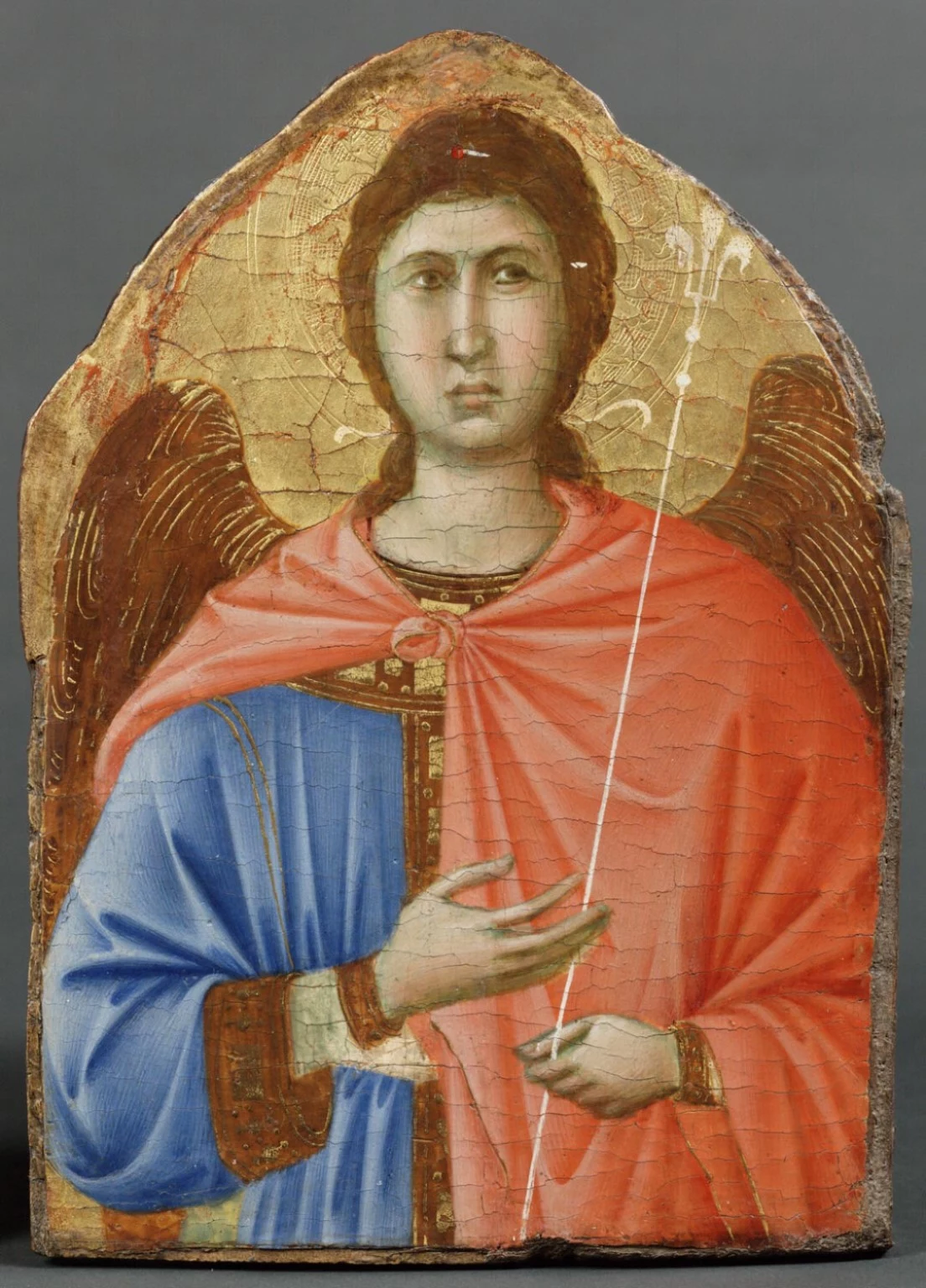
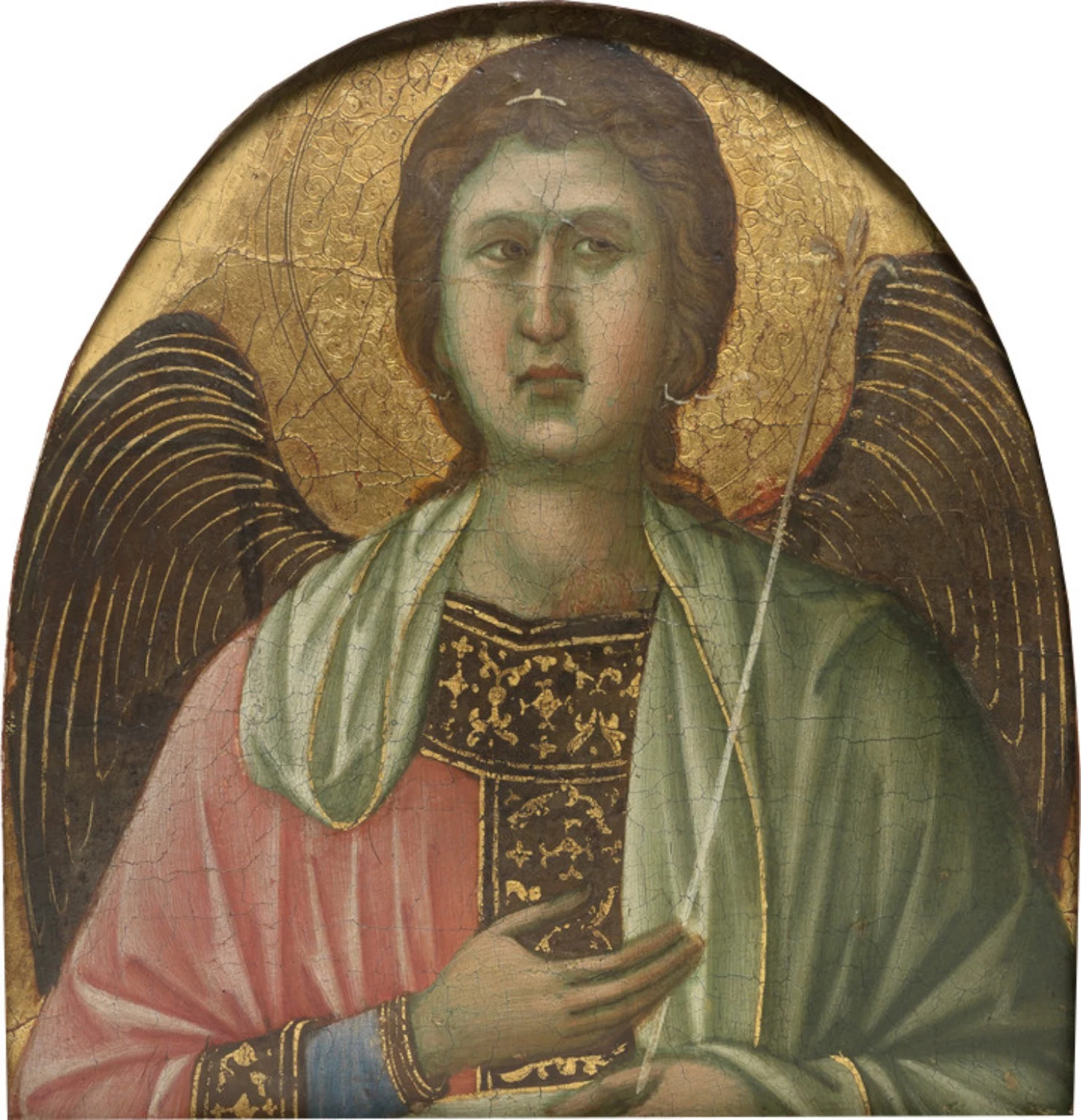
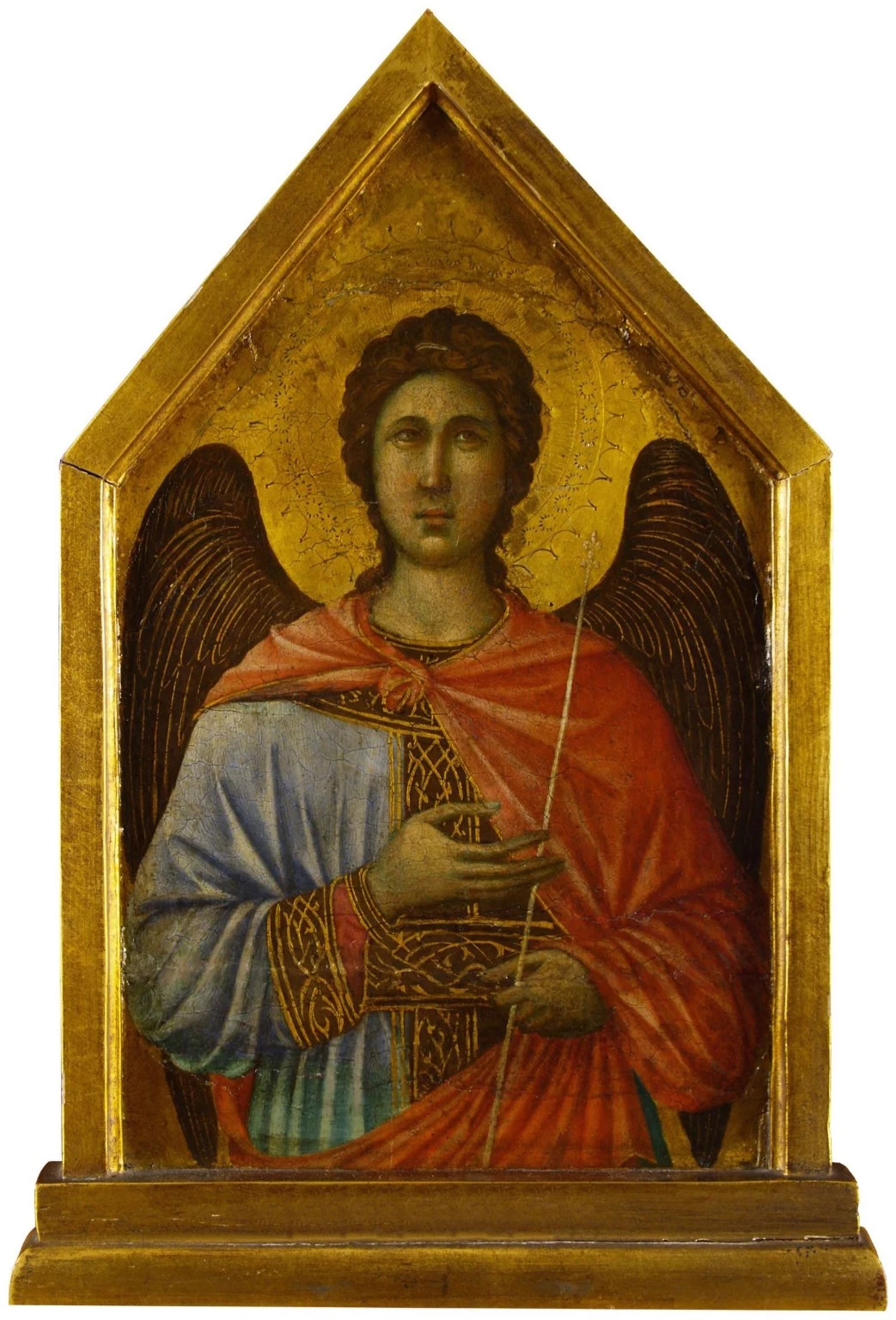
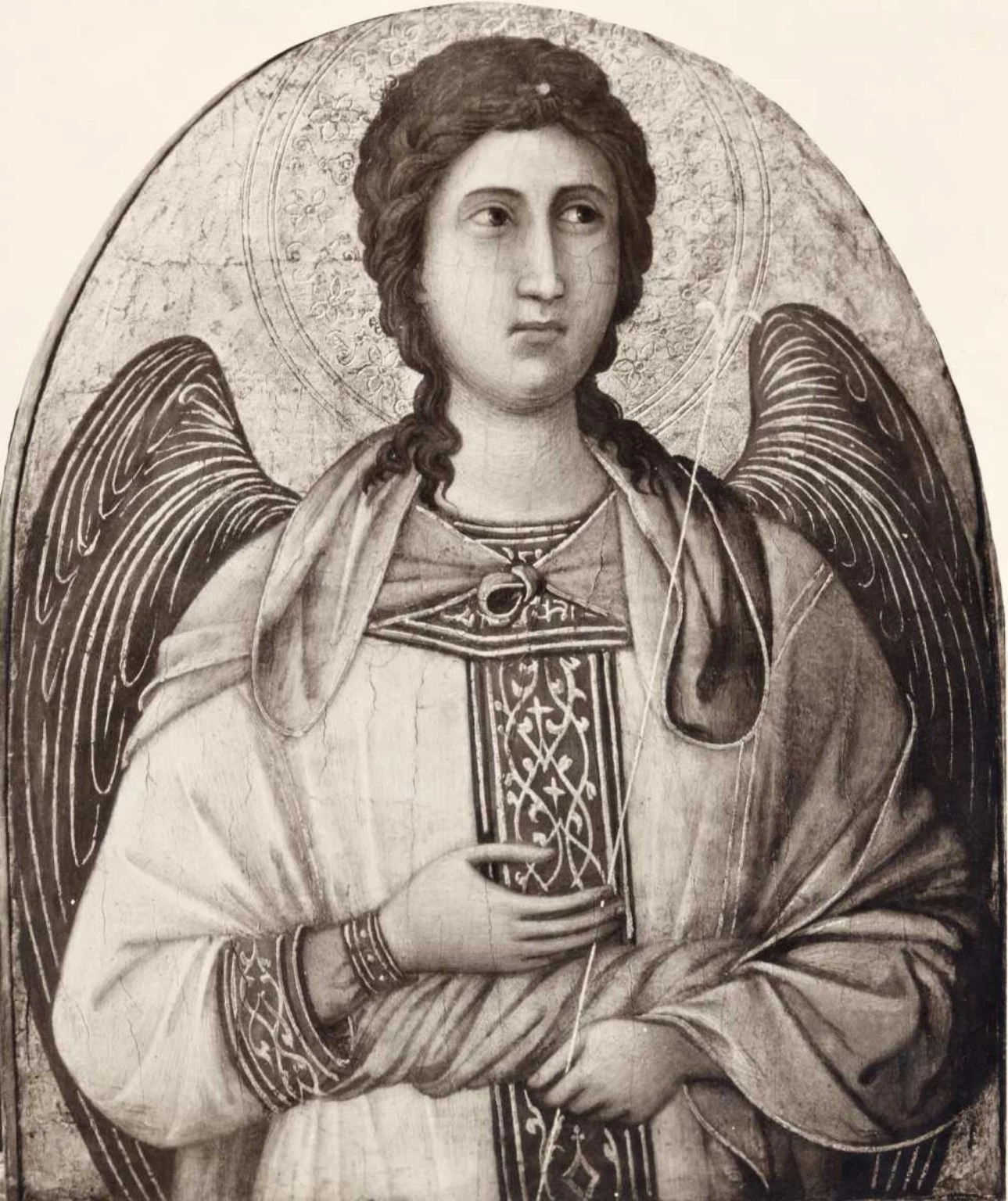
His Rucellai Madonna, commissioned in 1285 for Santa Maria Novella in Florence, demonstrates his ability to reinterpret established iconographic models. The Virgin and Child are surrounded by angels whose graceful poses and delicate expressions reveal a refined approach to religious imagery.
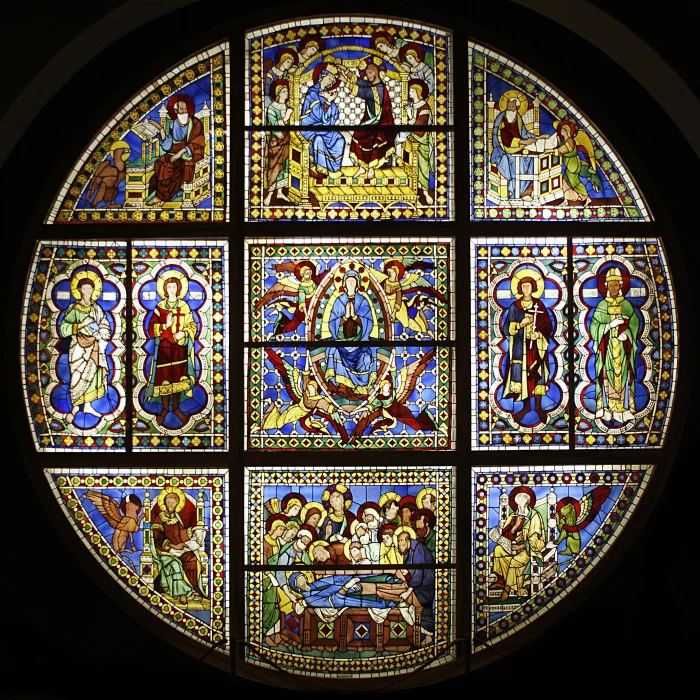
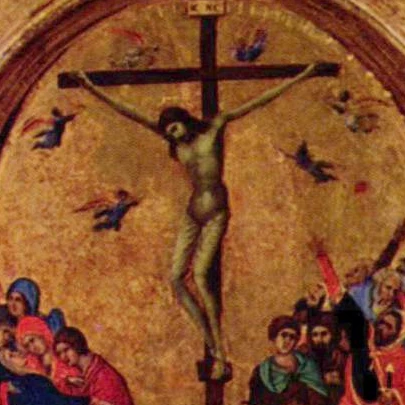
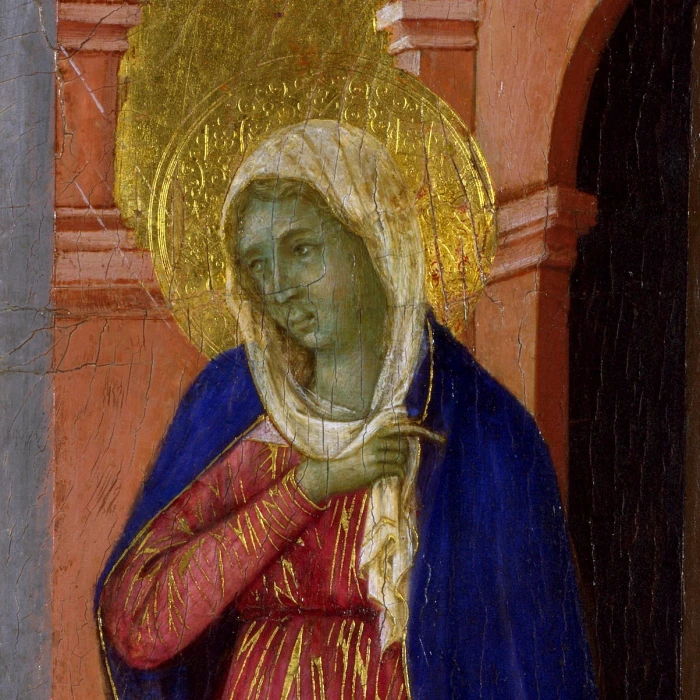
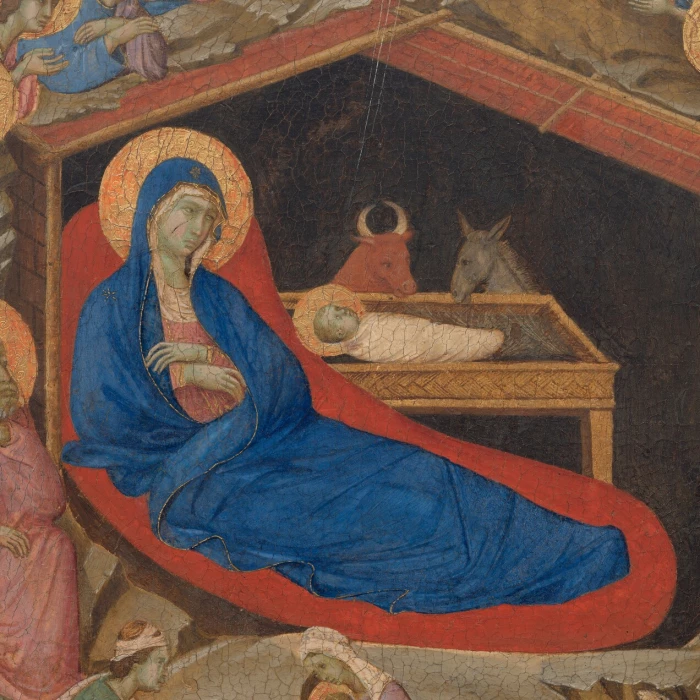
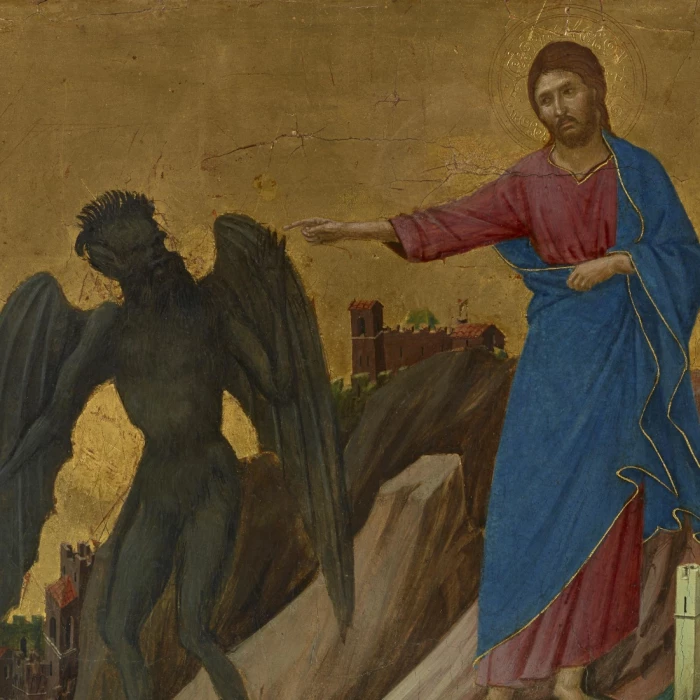
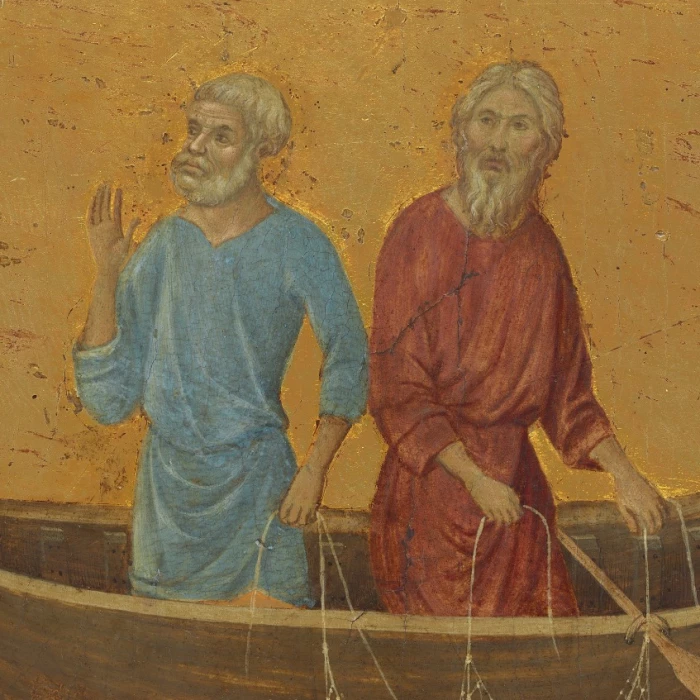
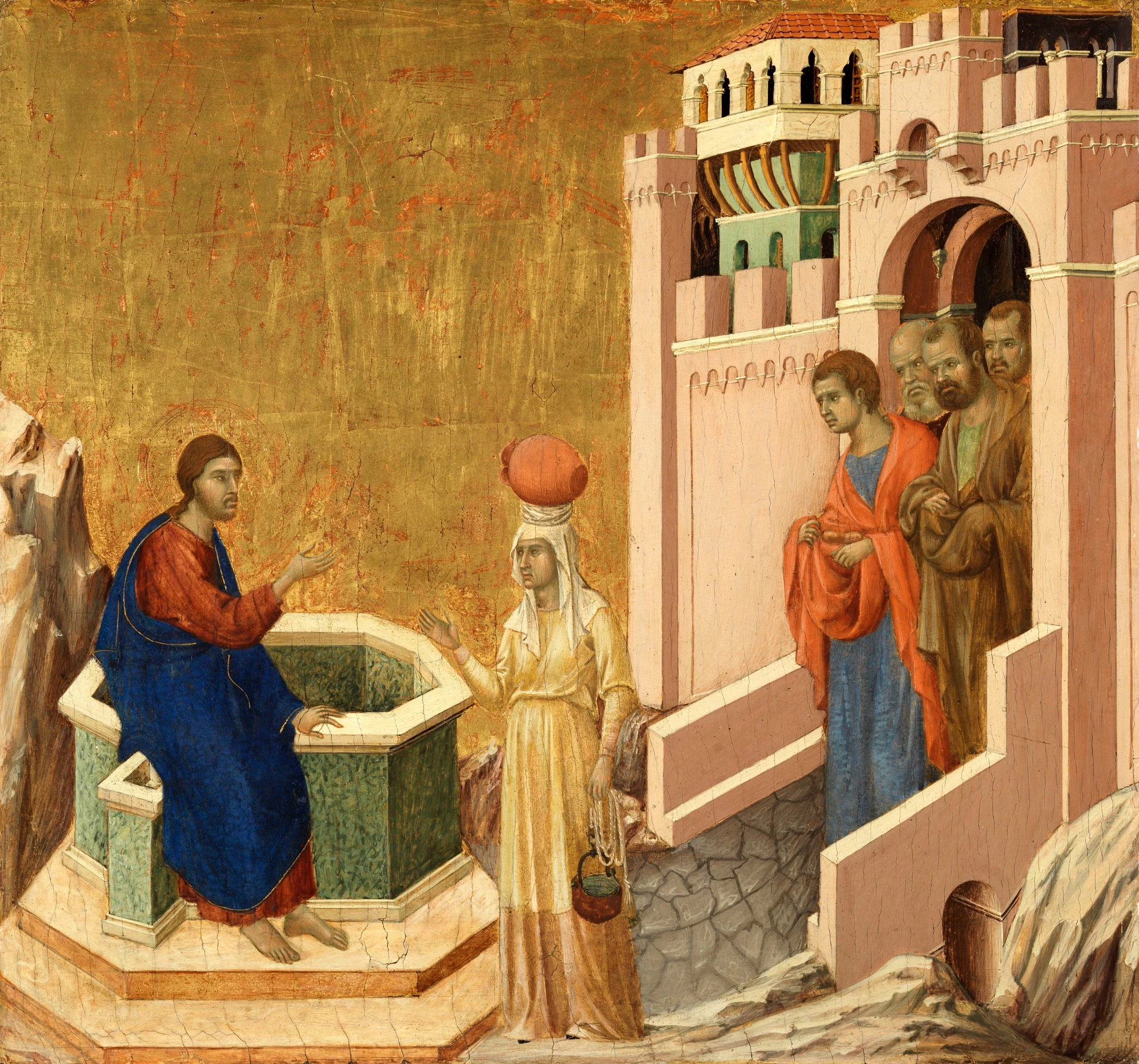
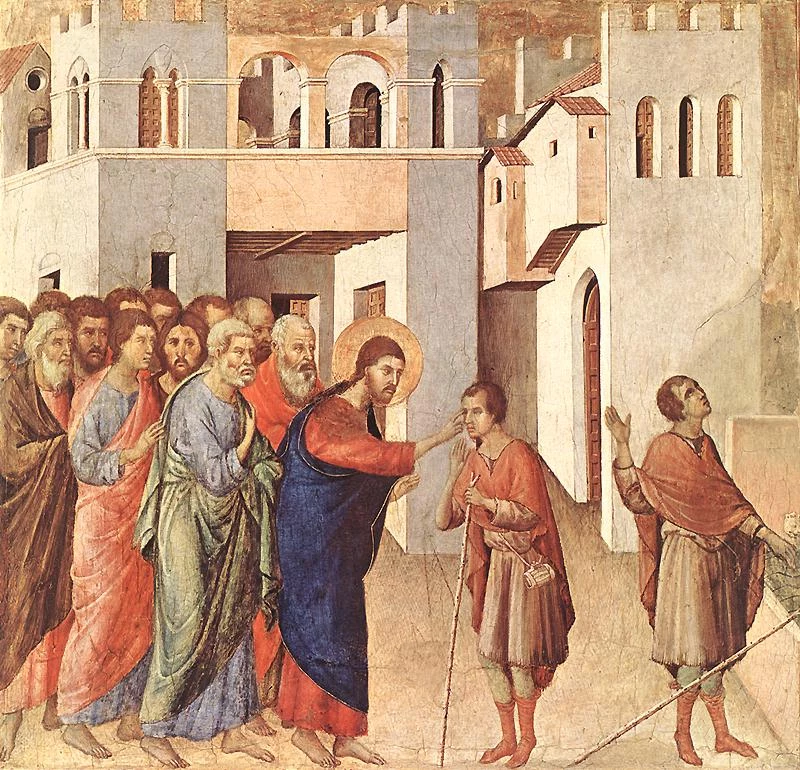
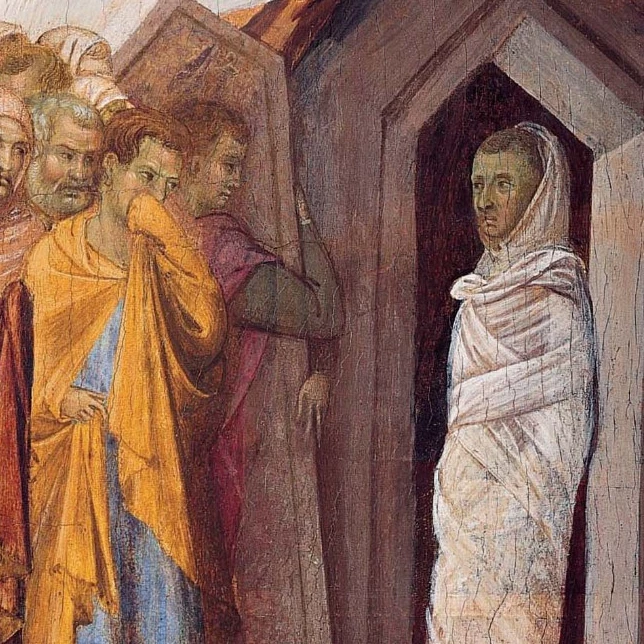
Duccio's greatest achievement was the Maestà, created between 1308 and 1311 for Siena Cathedral. This monumental double-sided altarpiece brought together an imposing image of the enthroned Virgin and an extensive narrative cycle depicting episodes from the lives of Christ and Mary. Its remarkable storytelling, expressive figures and architectural settings represented a major advance in the development of Italian painting.
As the head of an influential workshop, Duccio helped establish Siena as a major artistic centre. His innovations profoundly shaped the work of subsequent generations, particularly Simone Martini and the Lorenzetti brothers, securing his position among the most important painters of the early Italian Renaissance tradition.
Etapa inicial
Etapa de madurez
Etapa final