
Pietro Lorenzetti
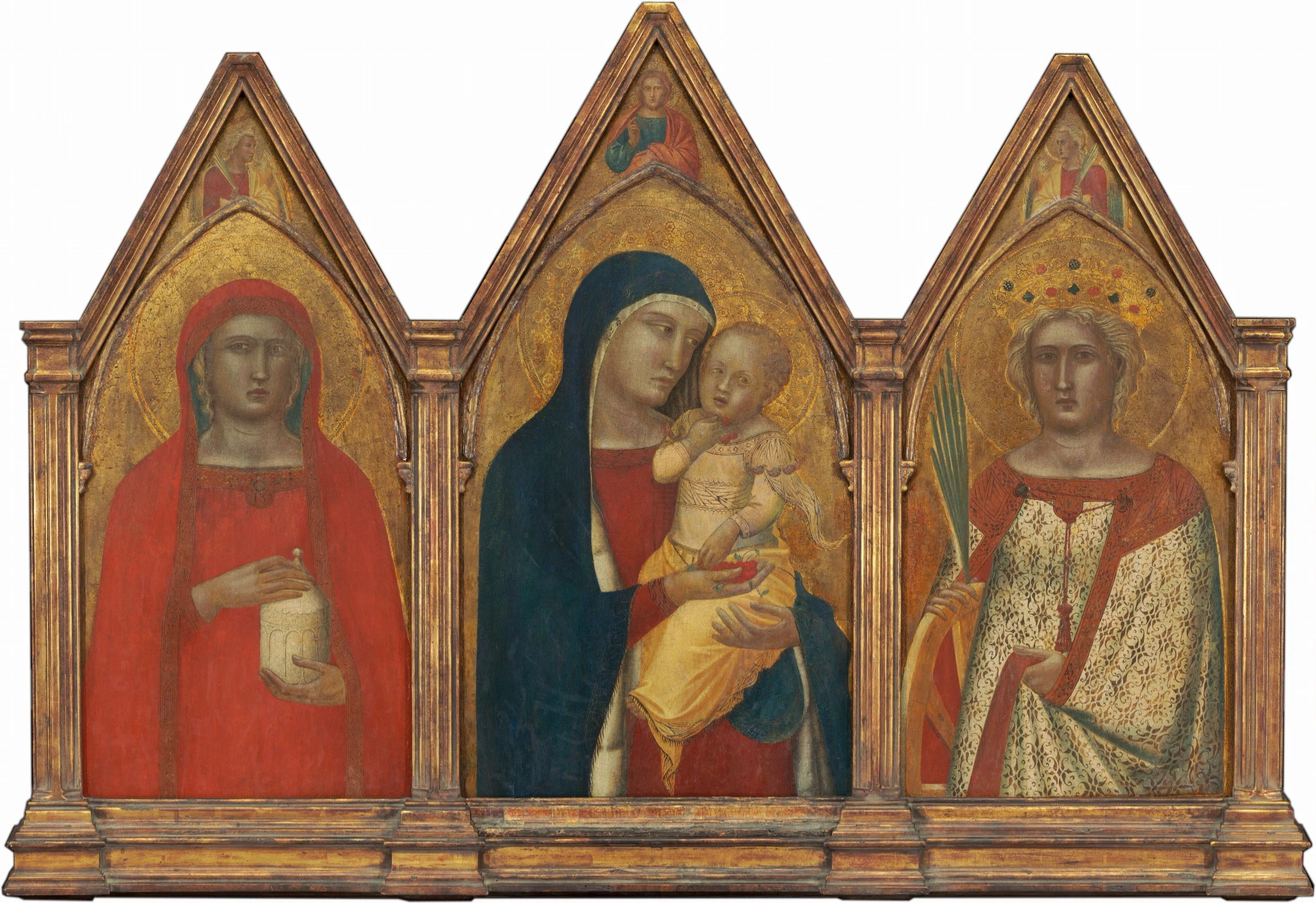
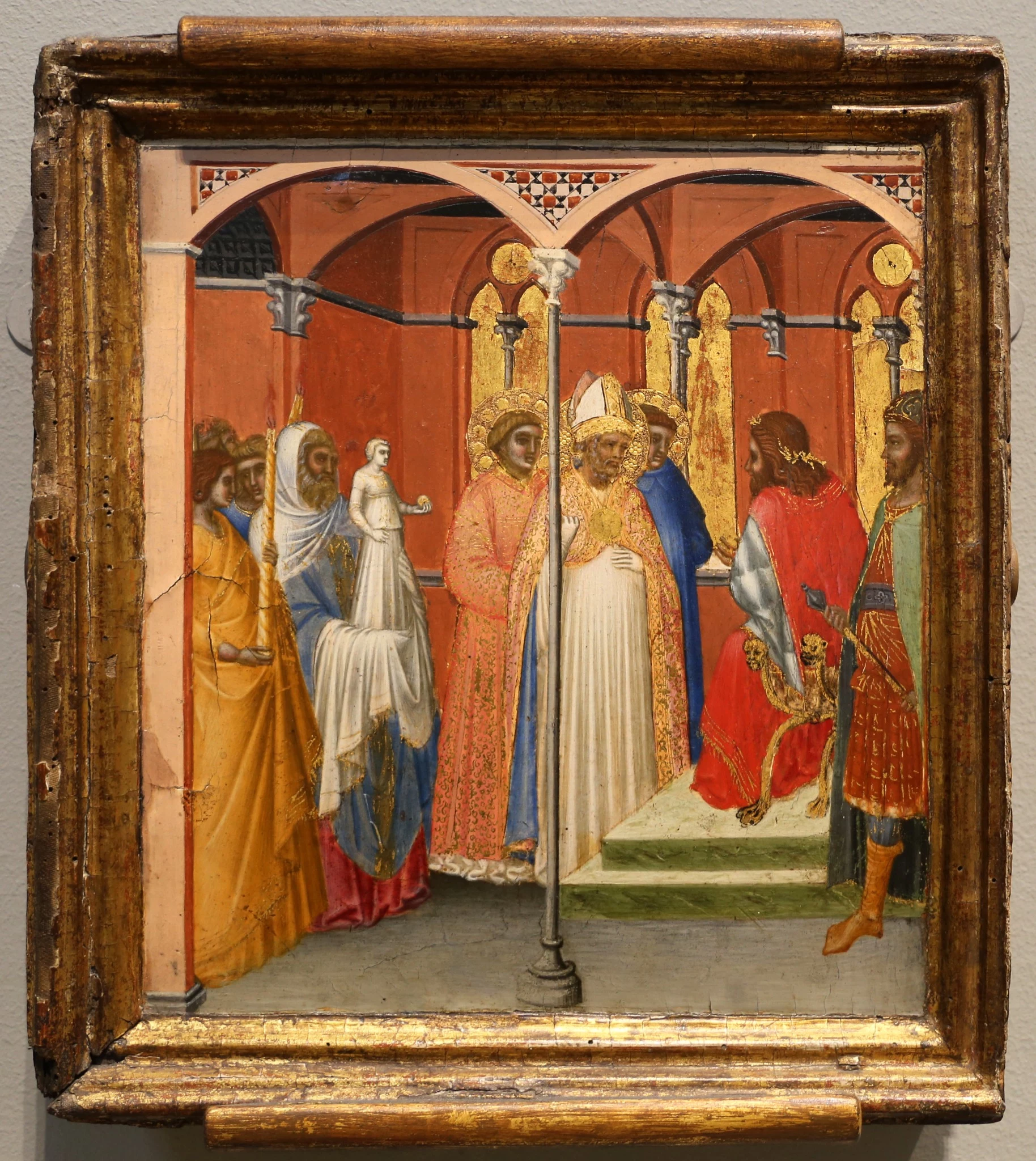
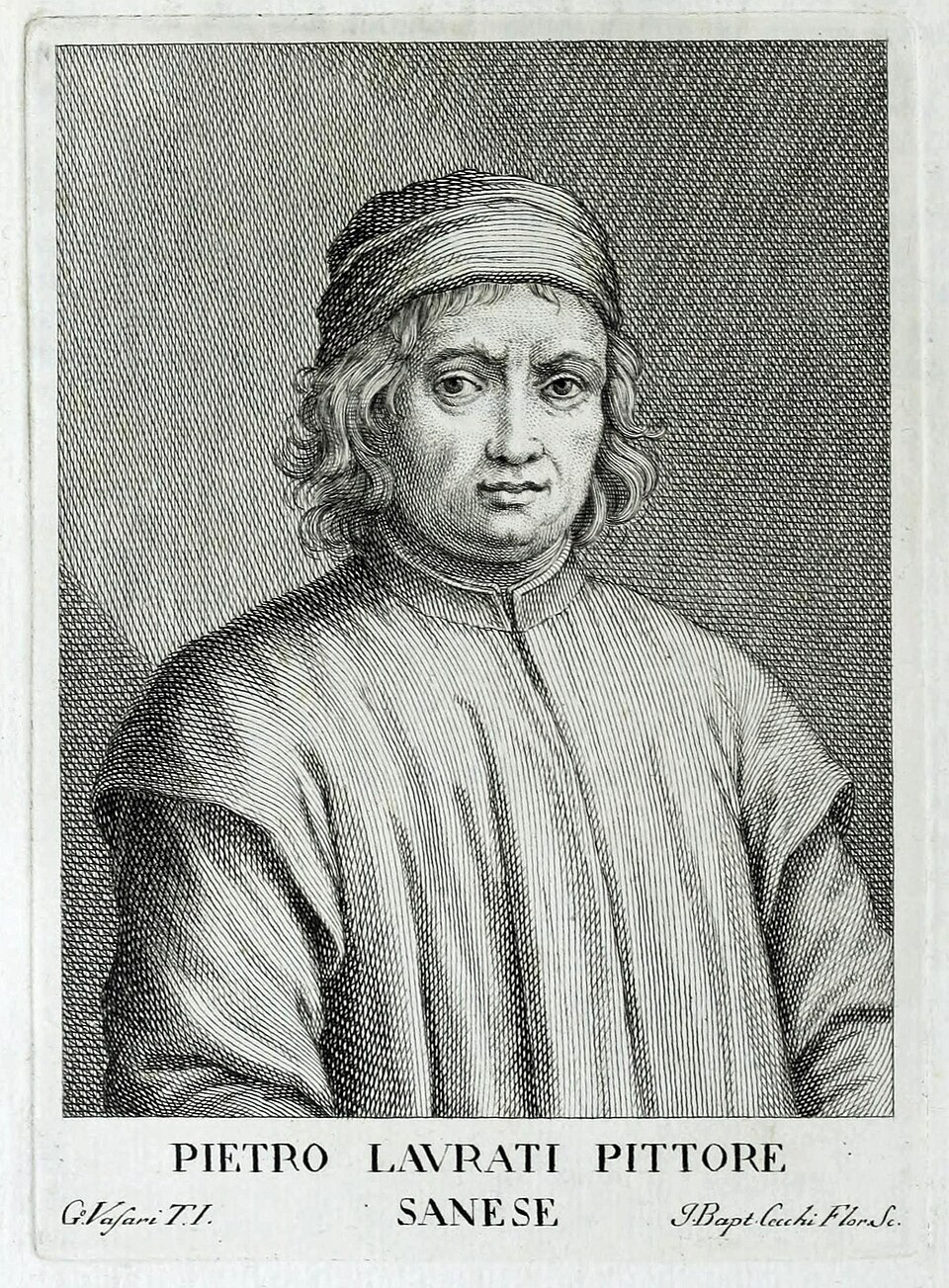
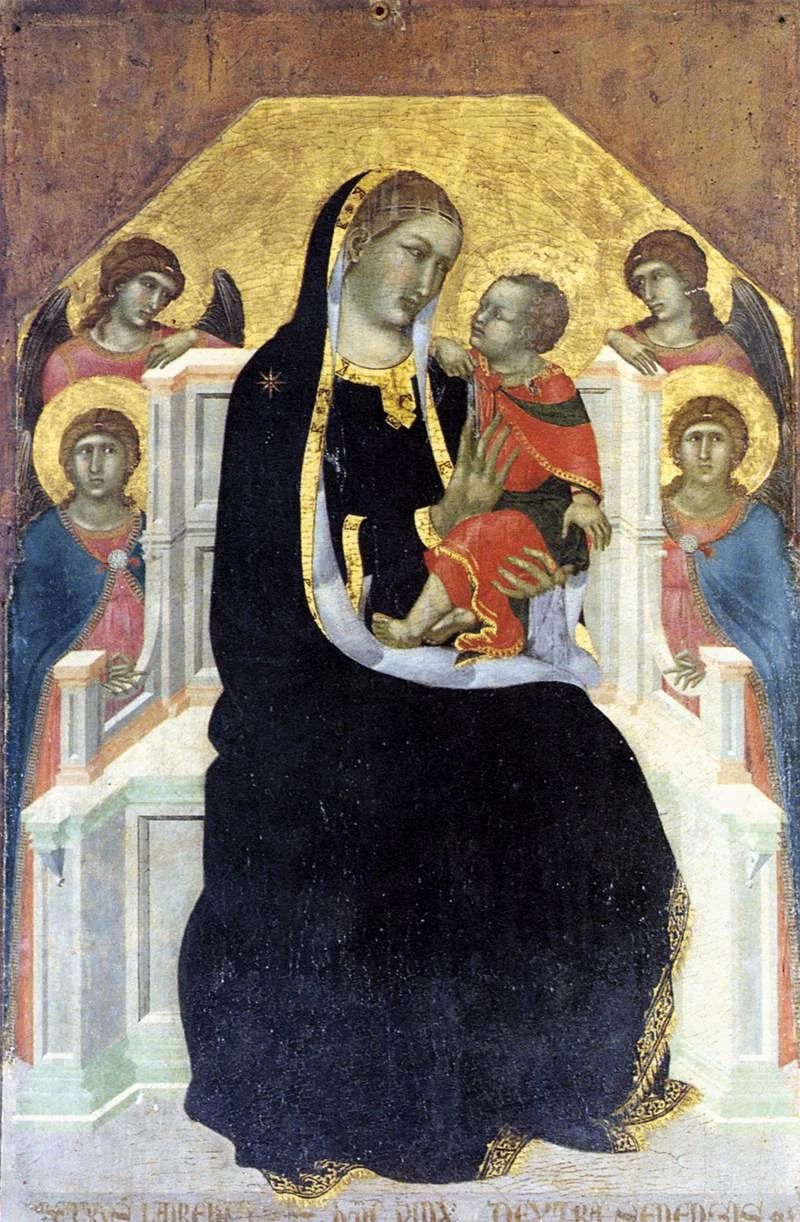
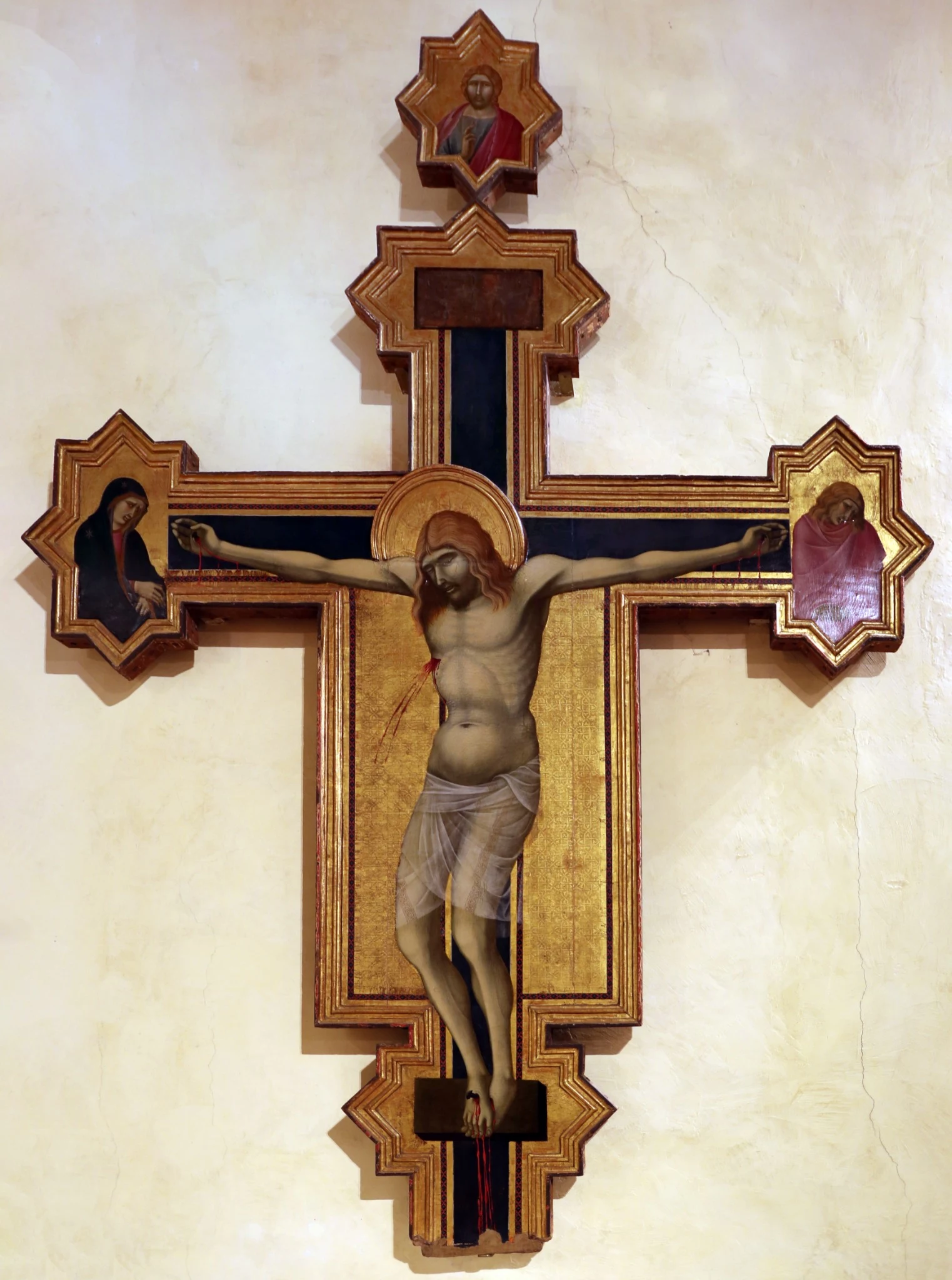
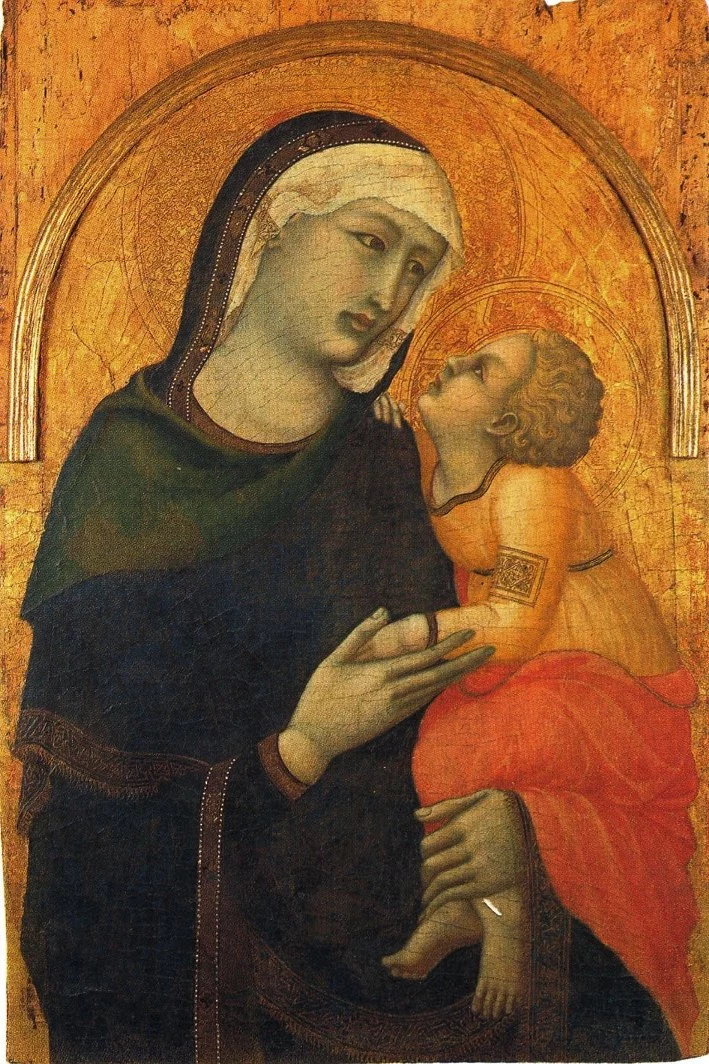
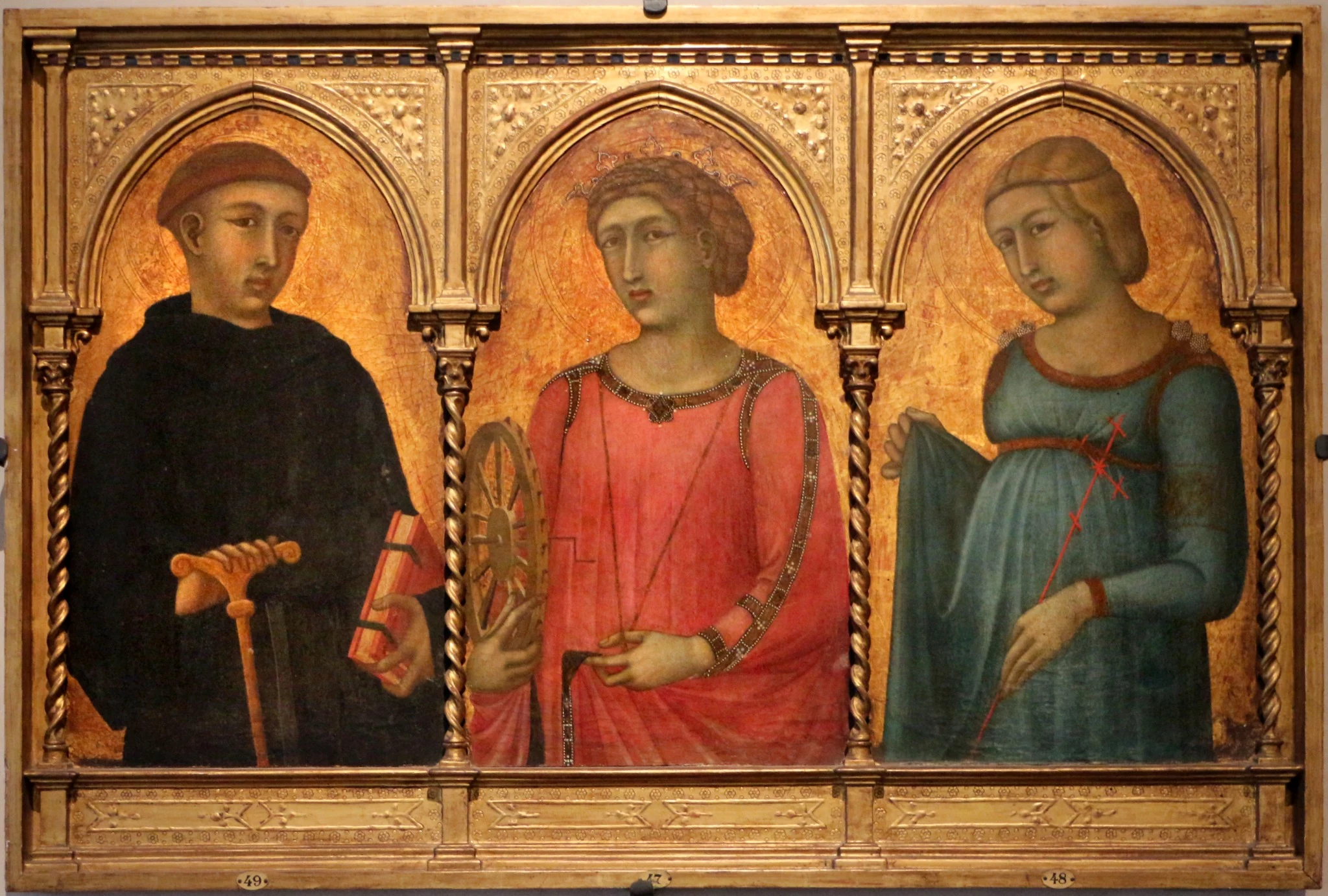
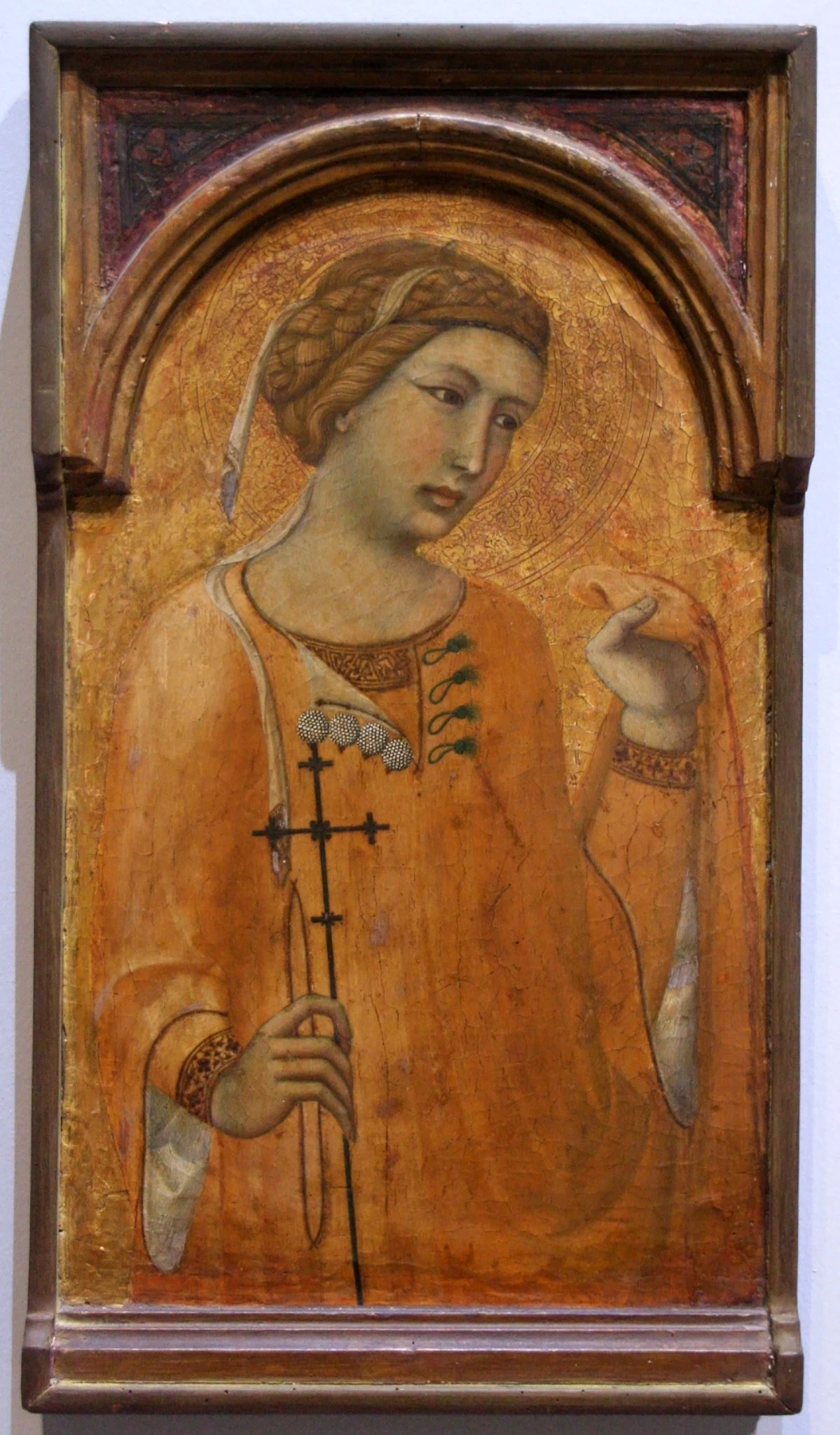
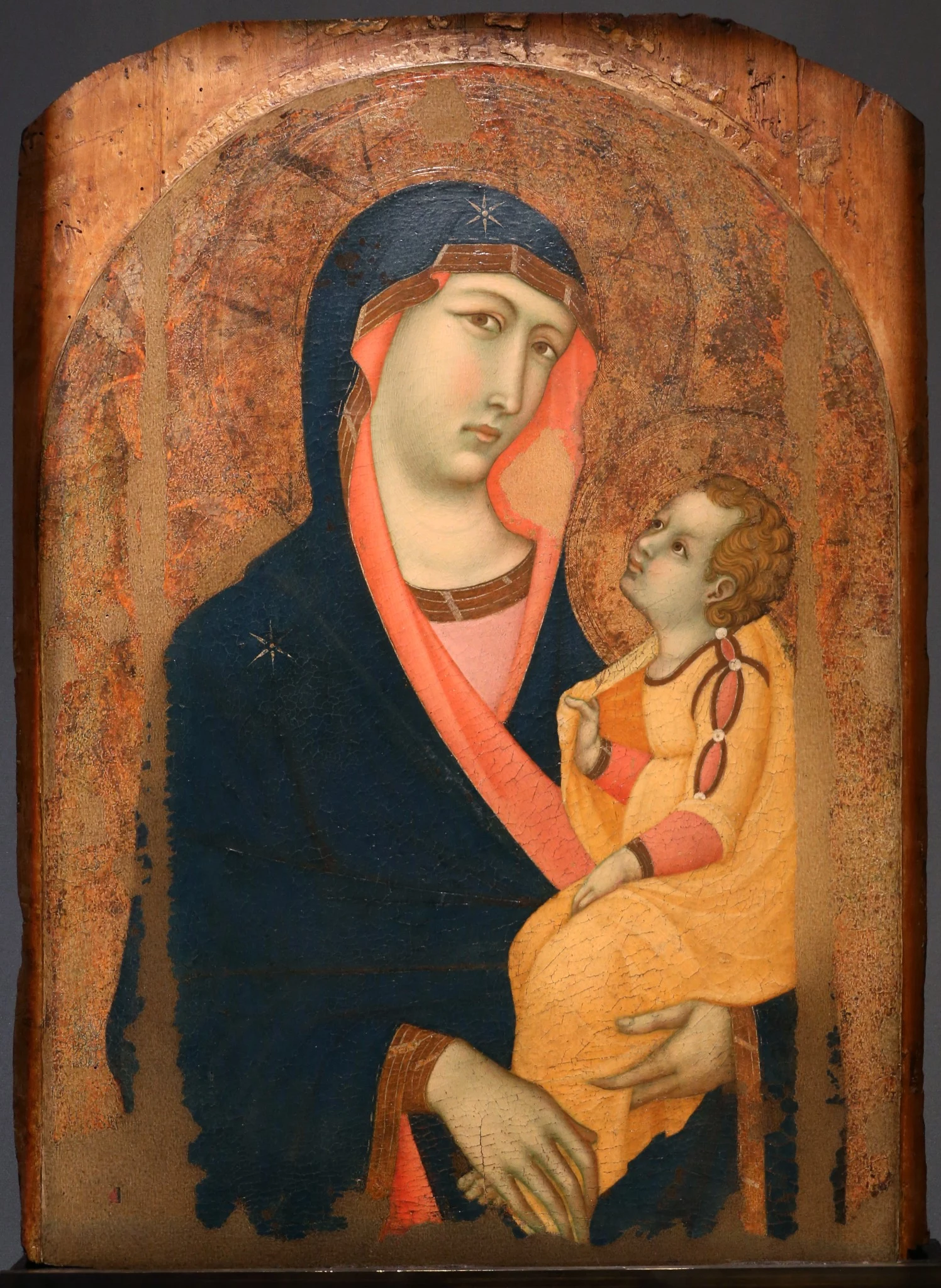
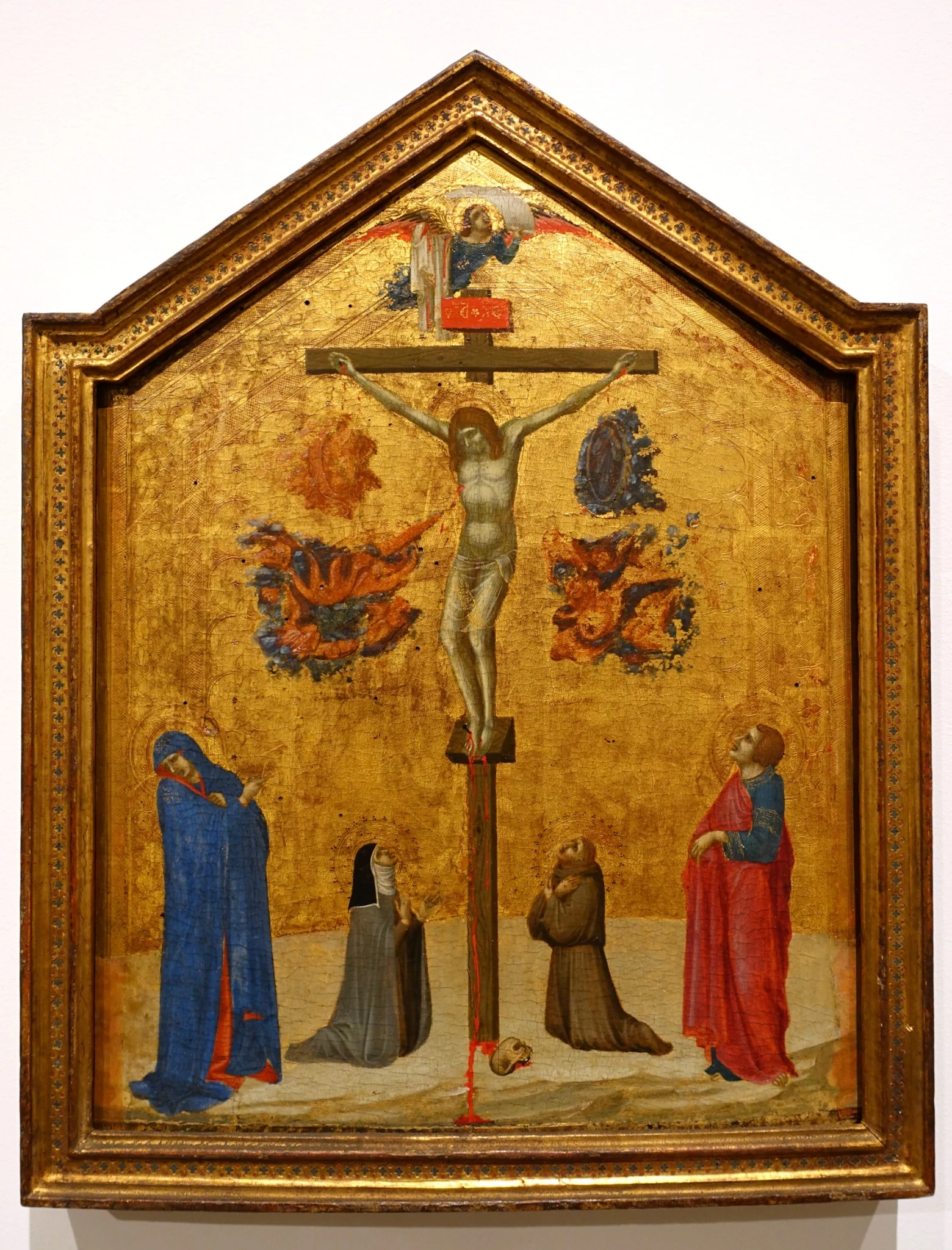
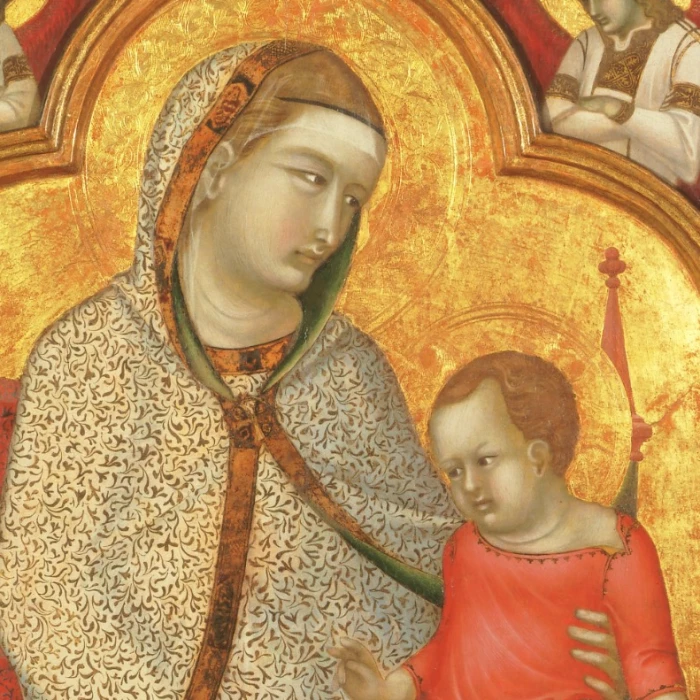
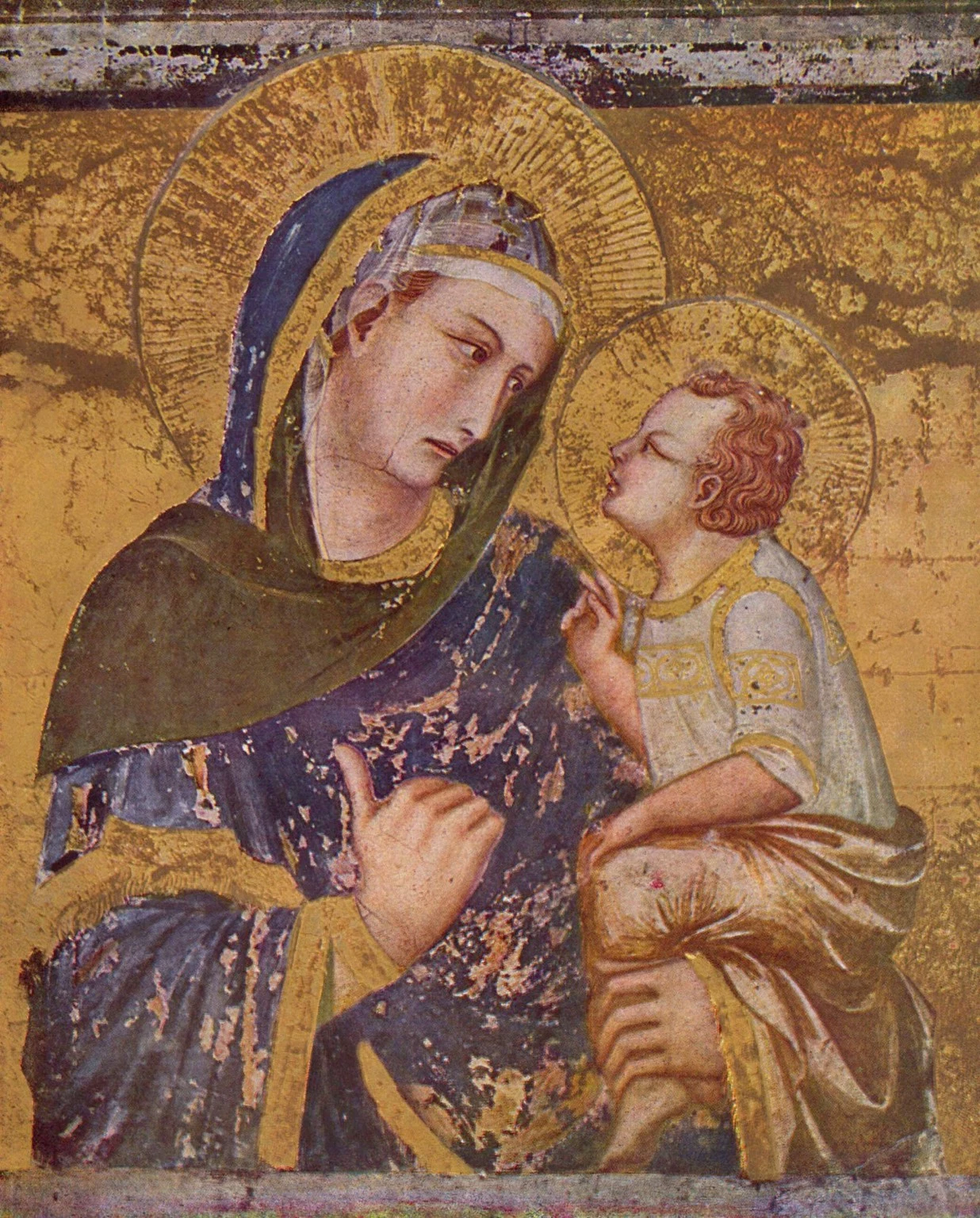
Pietro Lorenzetti was one of the leading figures of fourteenth-century Italian painting and a major representative of the Sienese school. Probably the elder brother of Ambrogio Lorenzetti, he developed an artistic language that brought together the refined colour, decorative elegance and narrative sensitivity of Siena with the solid figures and spatial experimentation associated with Giotto.
Little is known about his early training. His surviving works suggest familiarity with the achievements of Duccio di Buoninsegna and with the new approaches to pictorial storytelling that were emerging in central Italy. He worked primarily in Siena and Assisi, producing altarpieces and monumental frescoes for prestigious religious settings.
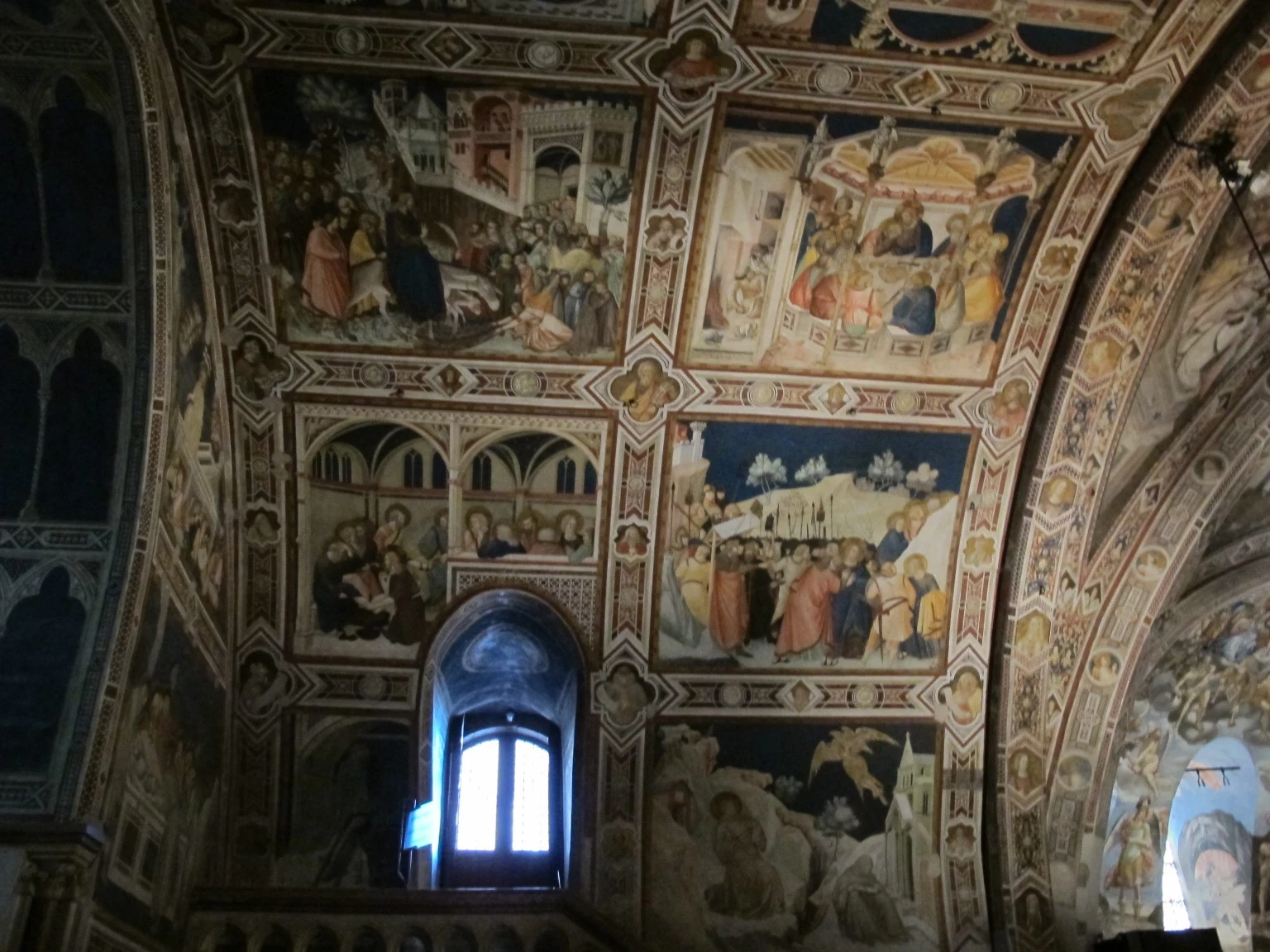
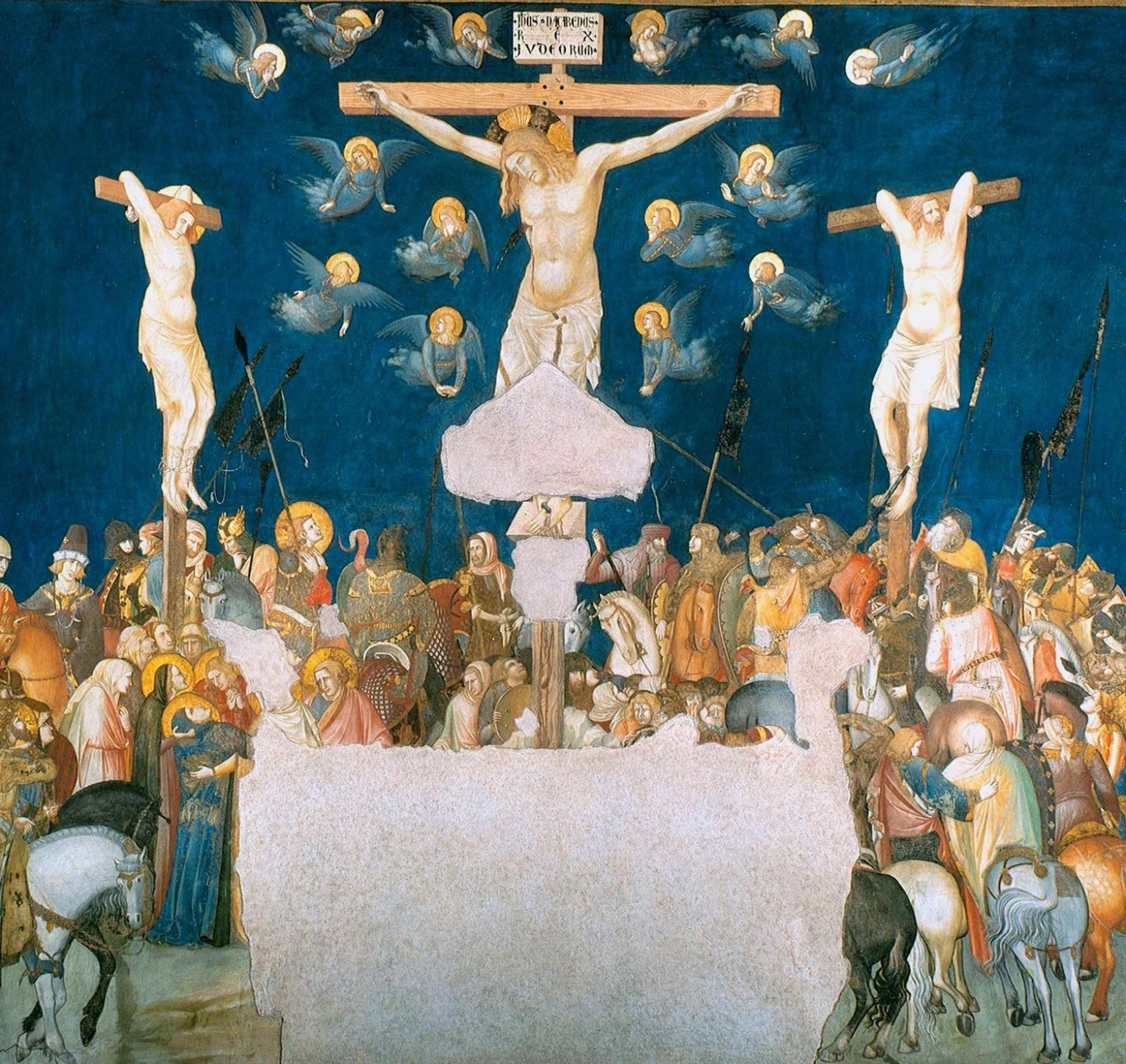
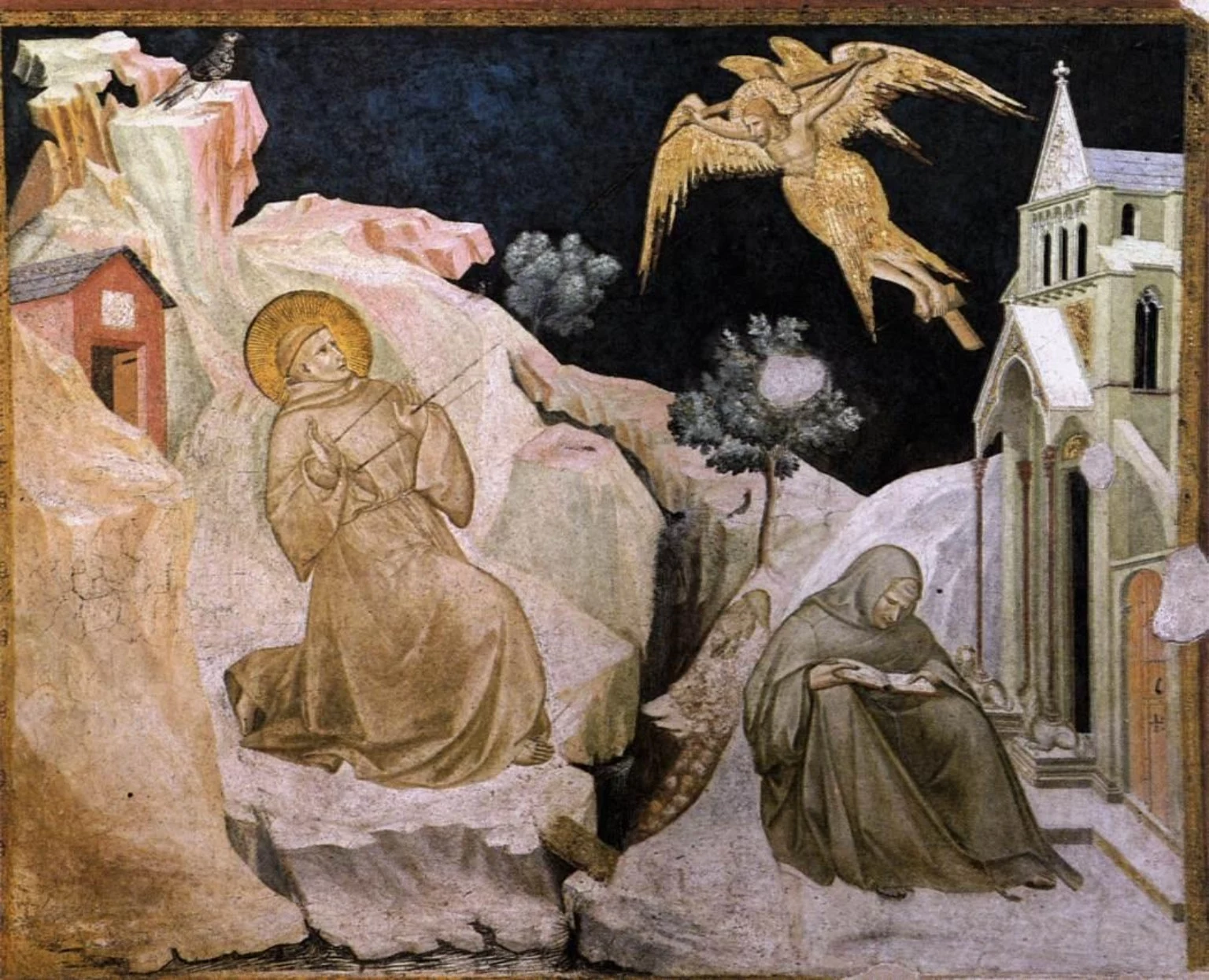
Among his greatest achievements is the Passion cycle in the Lower Basilica of Saint Francis at Assisi. These frescoes reveal his exceptional ability to convey human emotion through expressive gestures, carefully arranged figures and dramatic interactions. Architectural structures provide convincing settings in which sacred events unfold with remarkable visual immediacy.
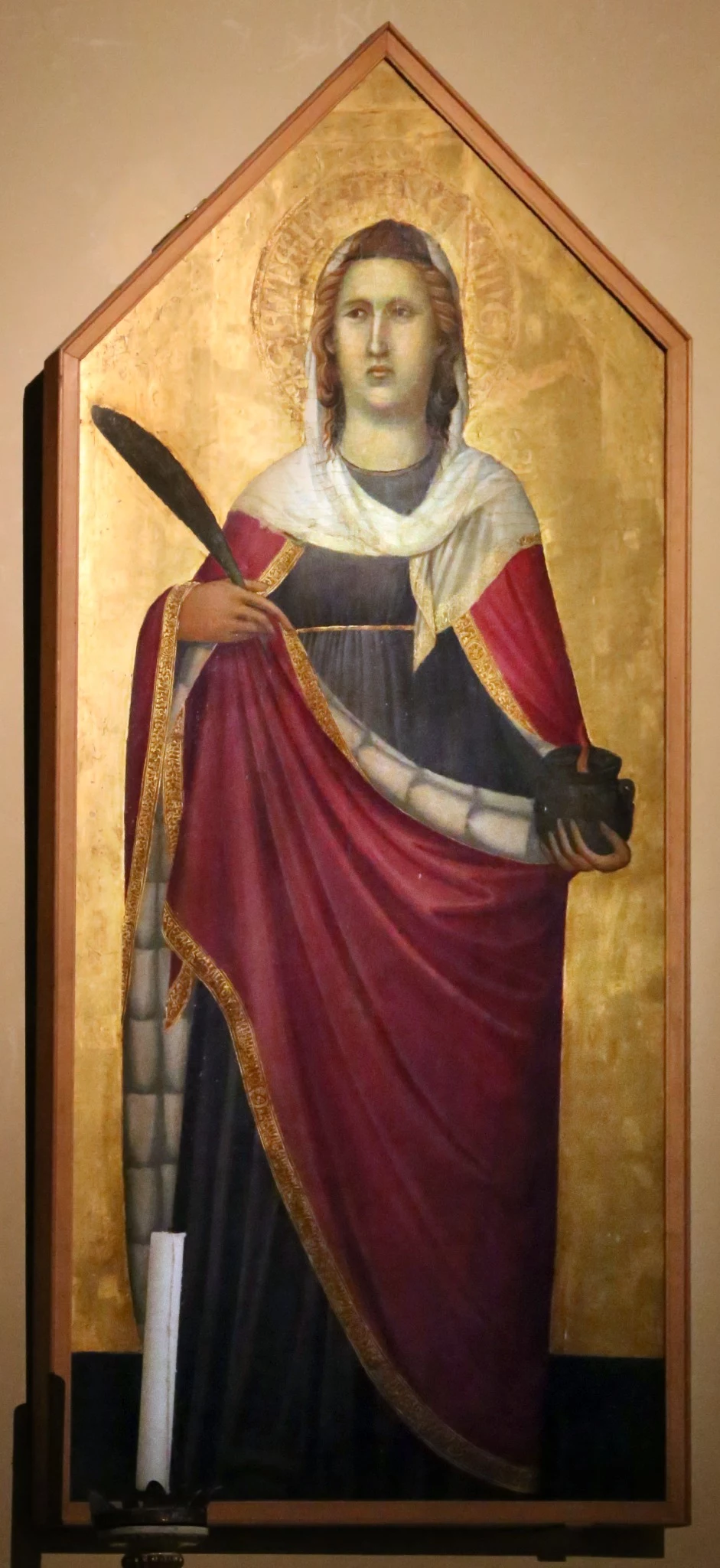
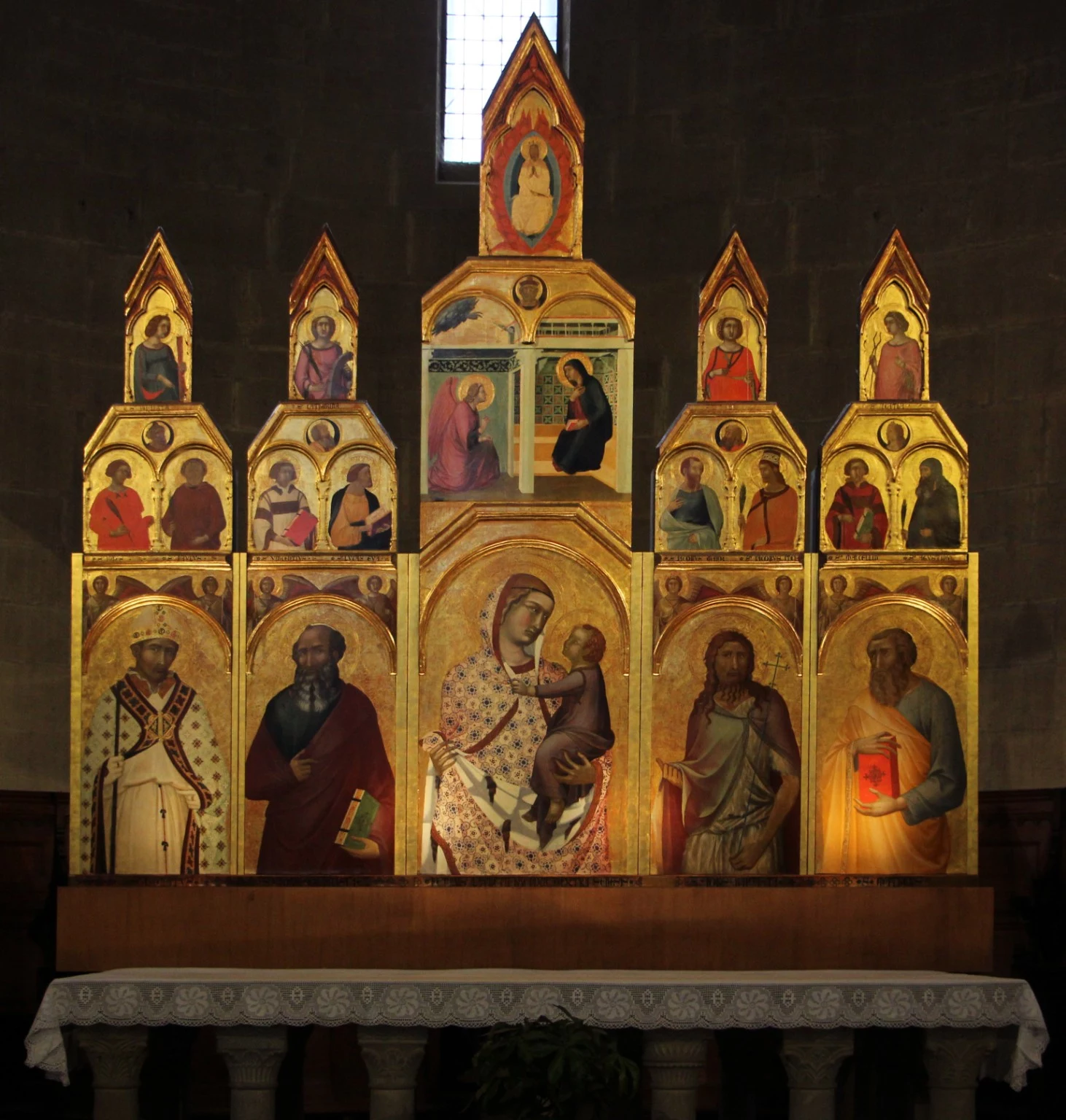
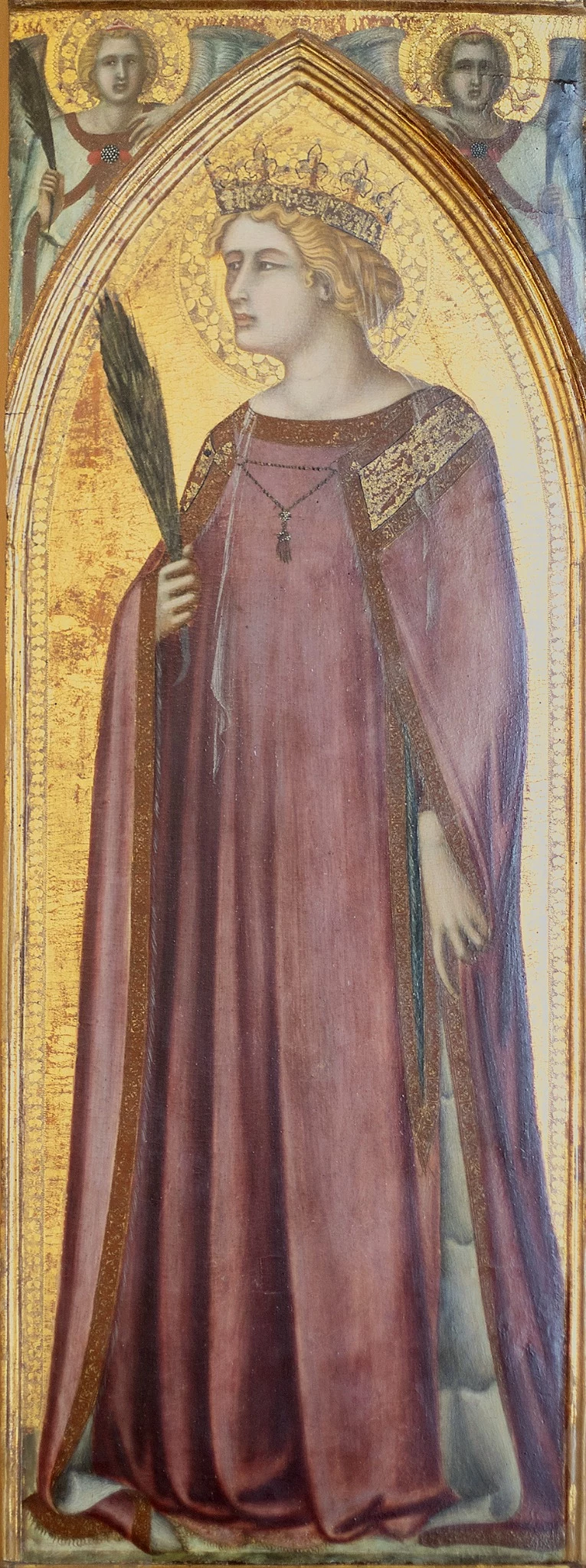
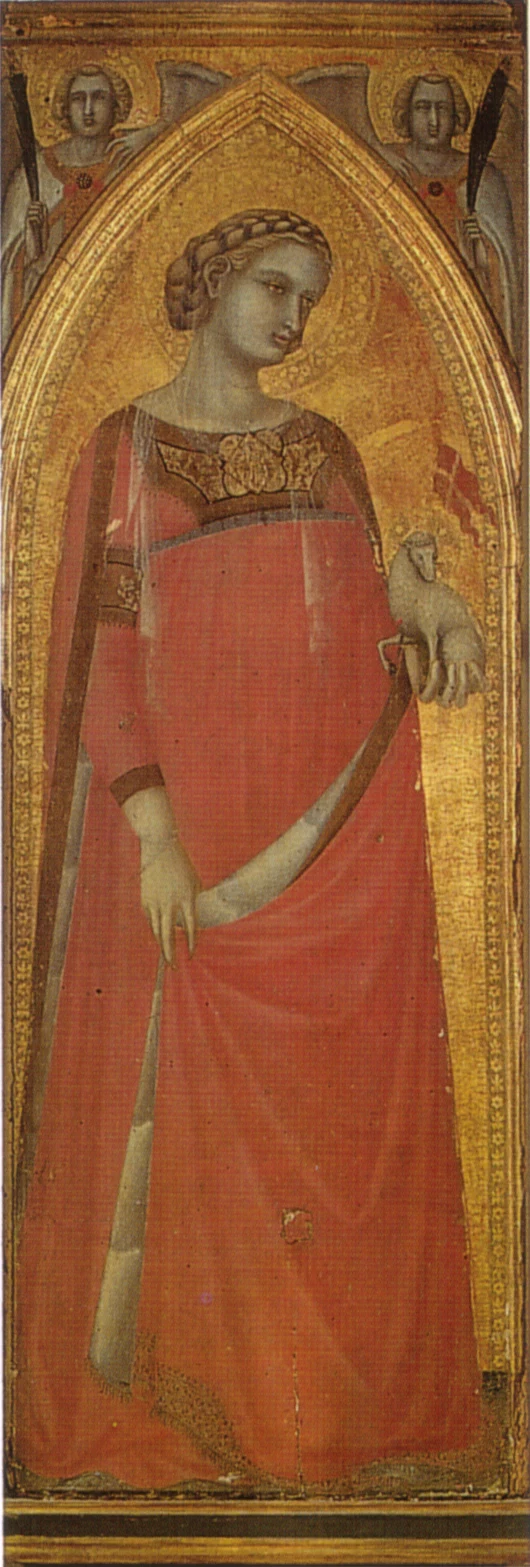
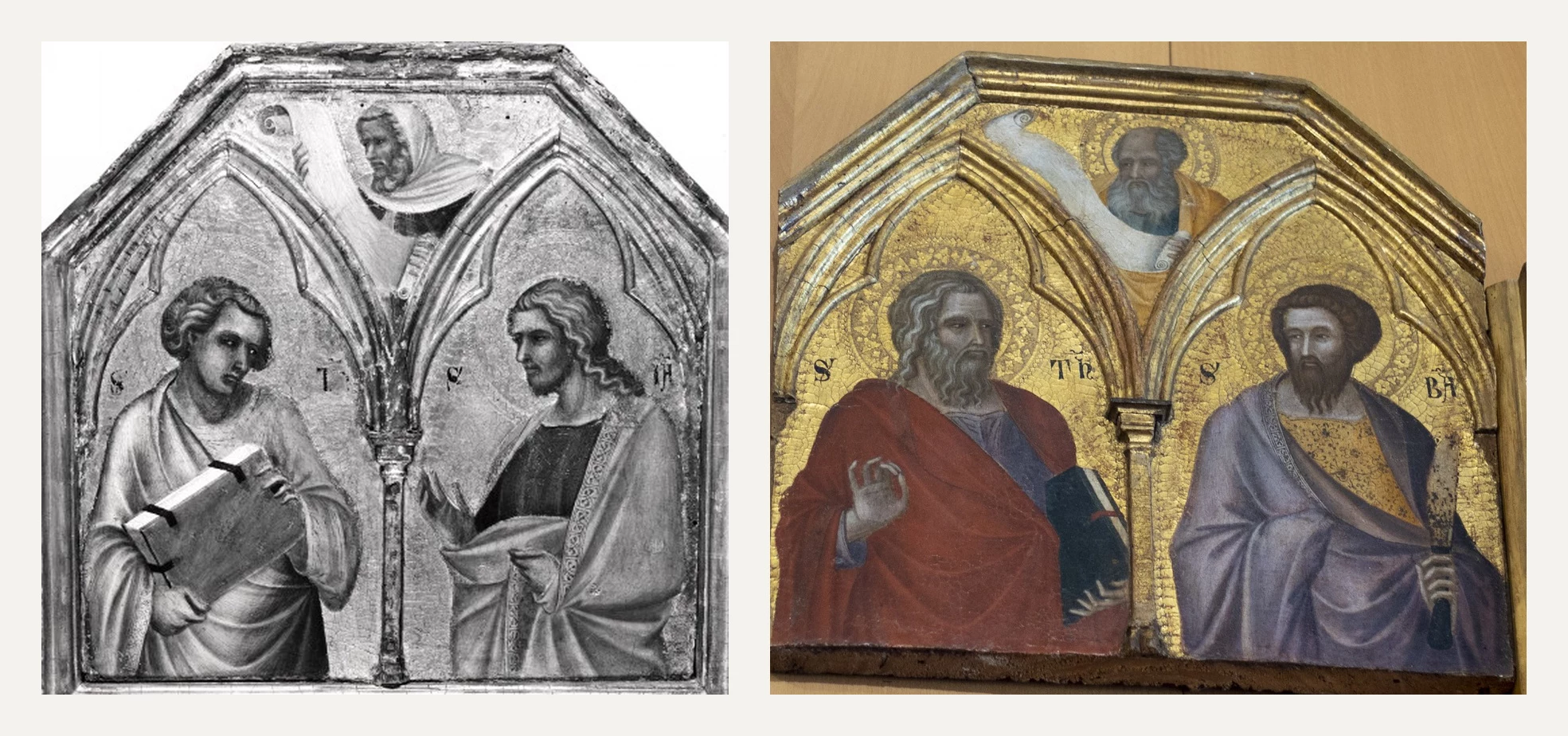
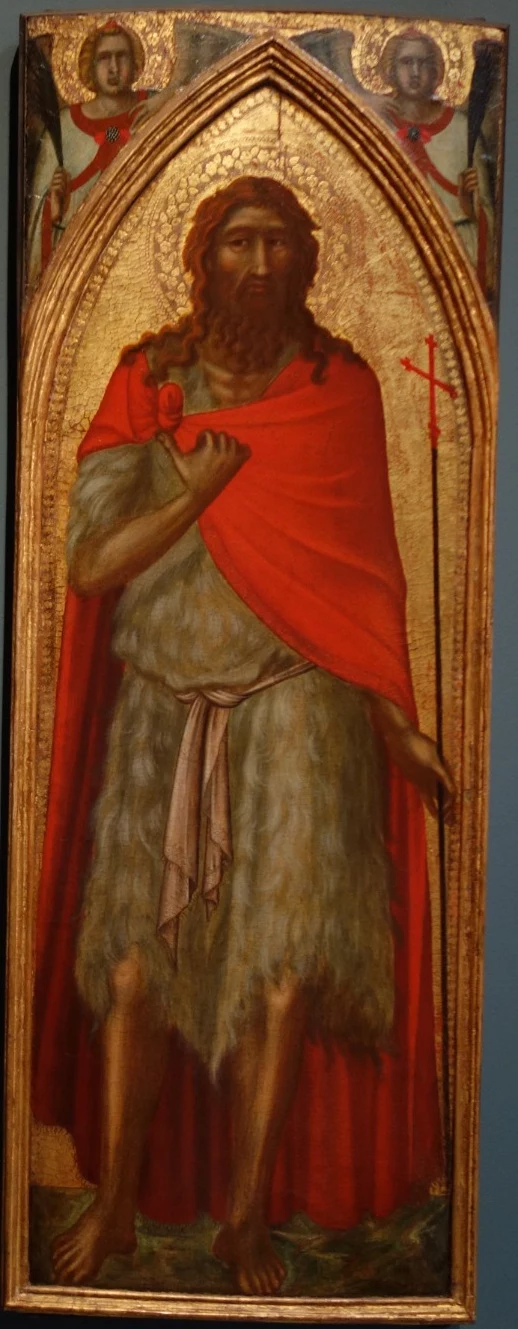
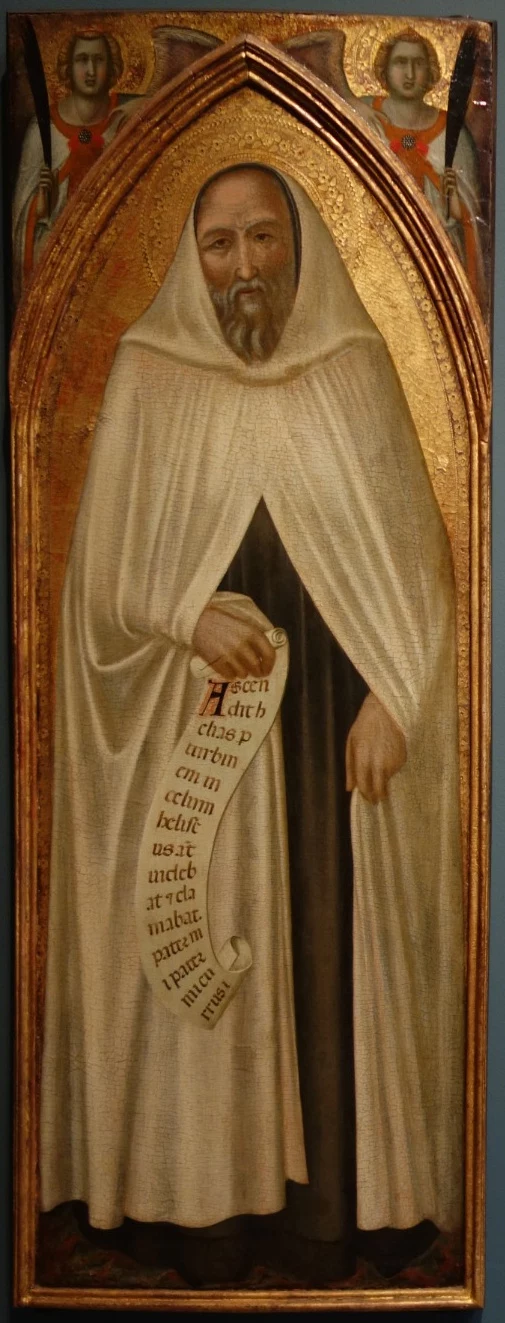
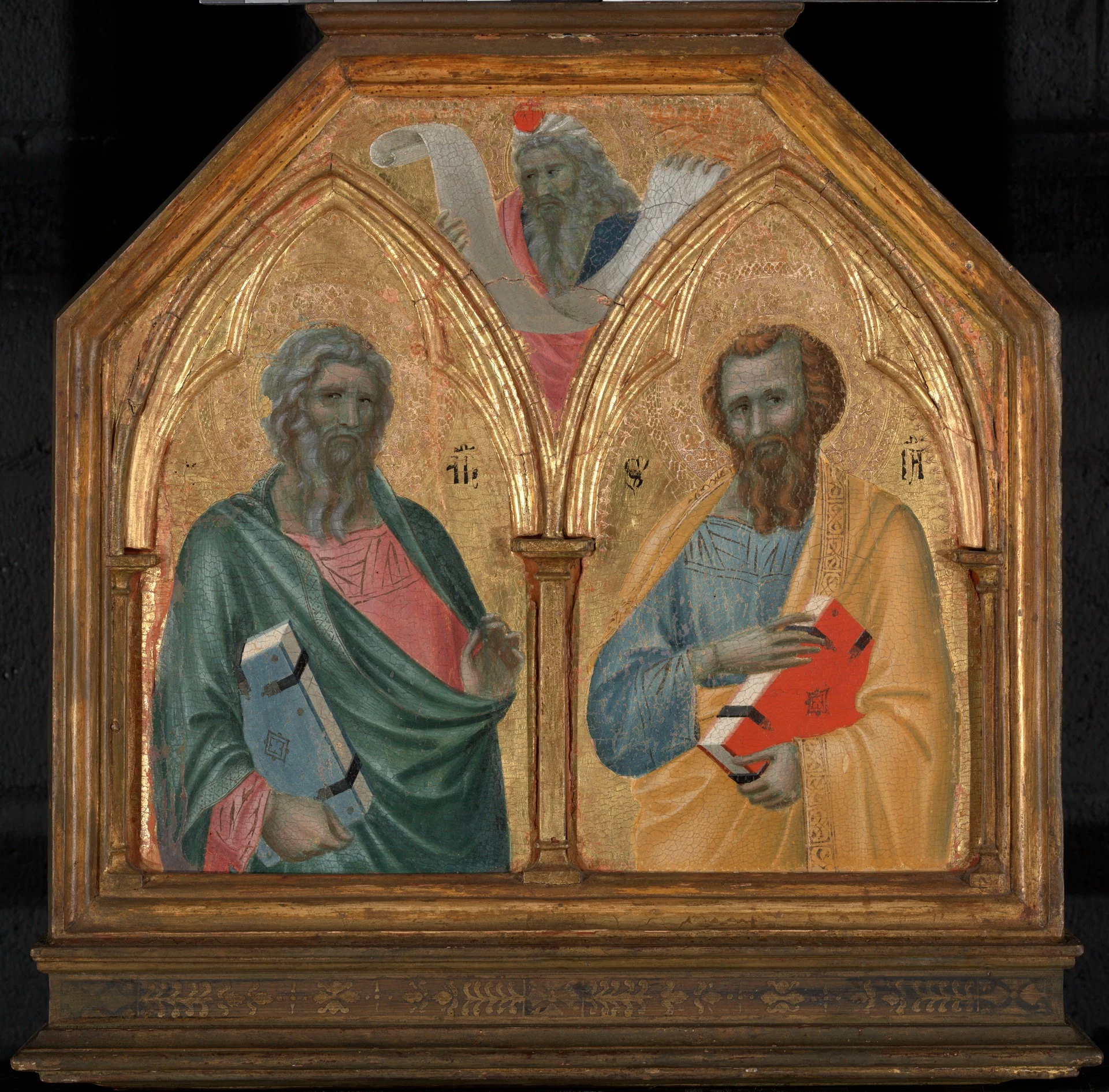
His earliest securely documented major commission was the polyptych for Santa Maria della Pieve in Arezzo, commissioned in 1320. Later works, including the Carmelite altarpiece completed in 1329, demonstrate his mastery of richly ornamented religious painting while introducing increasingly sophisticated effects of light, volume and spatial organisation.
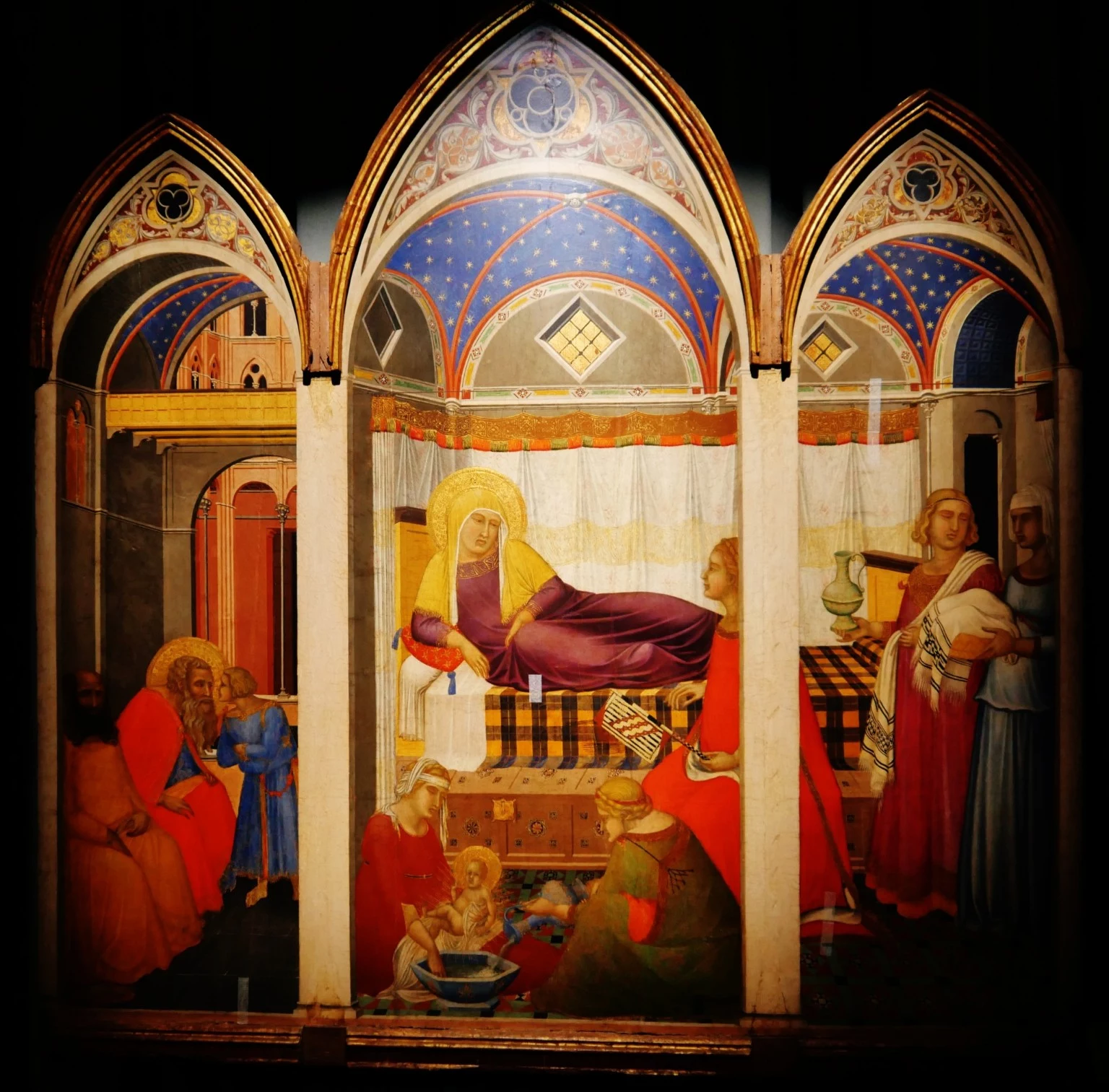
His mature achievement reached an extraordinary level in The Birth of the Virgin, signed and dated 1342. Here, the domestic interior becomes an essential part of the narrative. Separate episodes coexist within a unified architectural environment, while ordinary gestures and intimate human relationships lend the sacred subject an unusual sense of realism.
Pietro also collaborated with his brother Ambrogio on important projects in Siena. Although the exact circumstances of his death remain unknown, he is traditionally believed to have died around the time of the Black Death.
His artistic legacy lies in the powerful synthesis of Gothic refinement and a growing interest in the physical and emotional reality of human experience. His paintings helped establish many of the expressive and spatial possibilities that later generations of Italian artists would develop.
Etapa inicial
Etapa de madurez
Etapa inicial
Etapa de madurez
Etapa inicial
Etapa de madurez
Etapa final