
Cimabue
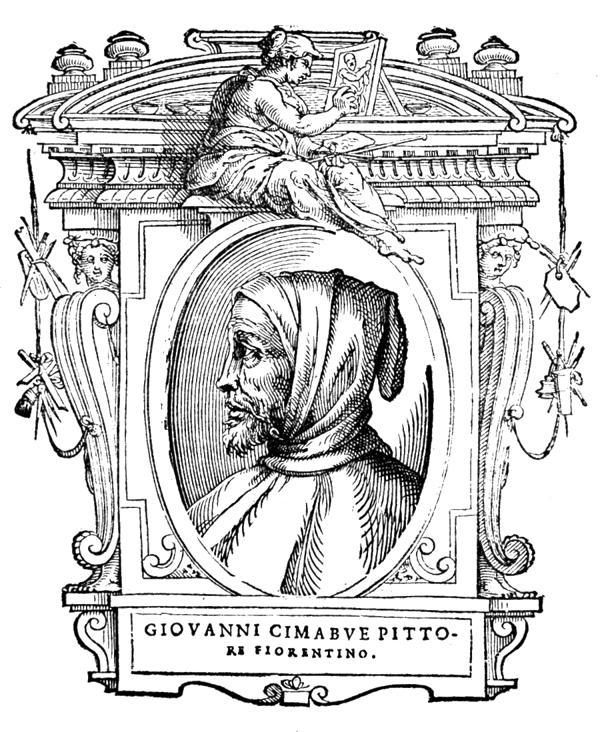
Cimabue, the traditional name of Cenni di Pepo, was one of the most important figures in thirteenth-century Italian painting and a central protagonist in the transition between medieval Byzantine traditions and the new forms of representation that would shape the art of the Trecento. Probably born in Florence around the middle of the thirteenth century, he worked during a period of profound artistic change, when Byzantine models still dominated Italian religious painting but were increasingly being transformed in ways that gave figures greater volume, humanity and physical presence.
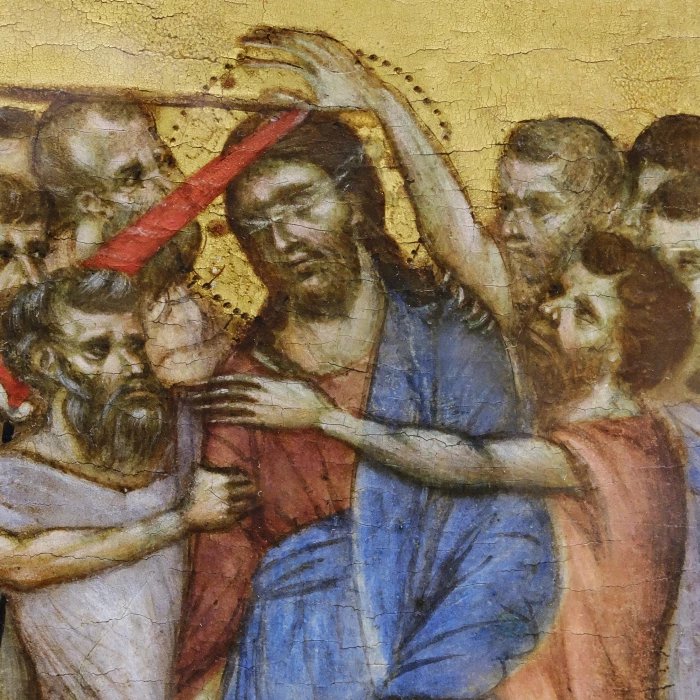
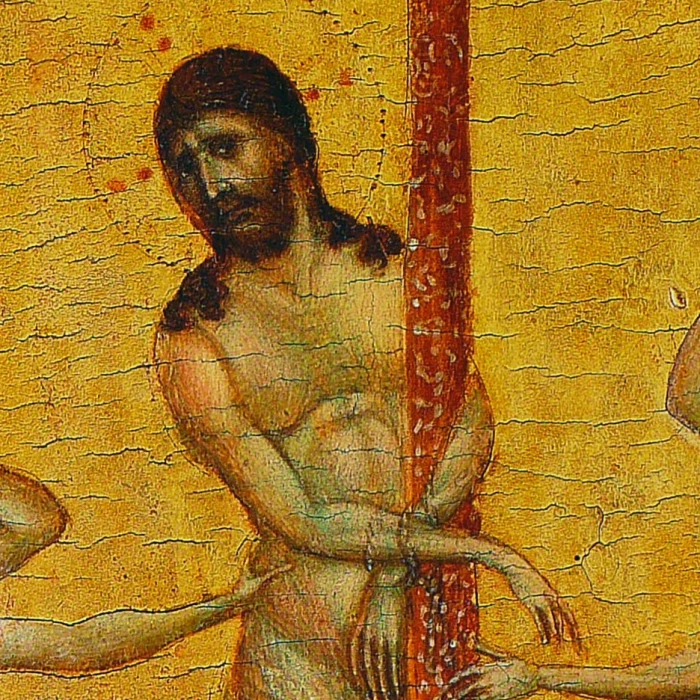
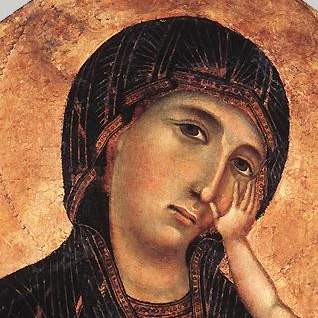
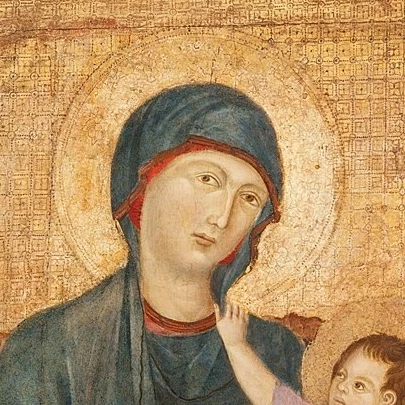
Cimabue was probably trained within the Florentine artistic environment, which at the time was strongly influenced by Byzantine painting. His works retain many features of that tradition: gold backgrounds, frontal poses, solemnity, hierarchical compositions and a fundamentally spiritual conception of the sacred image. At the same time, however, his paintings reveal an increasing concern with the physical weight of bodies, the organization of pictorial space and the expressive potential of faces and gestures.
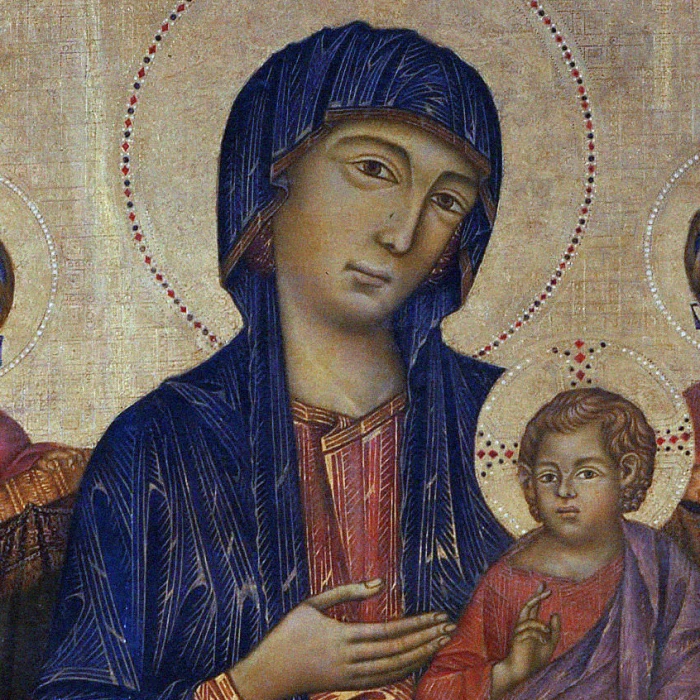
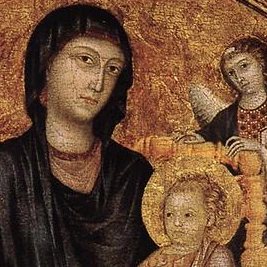
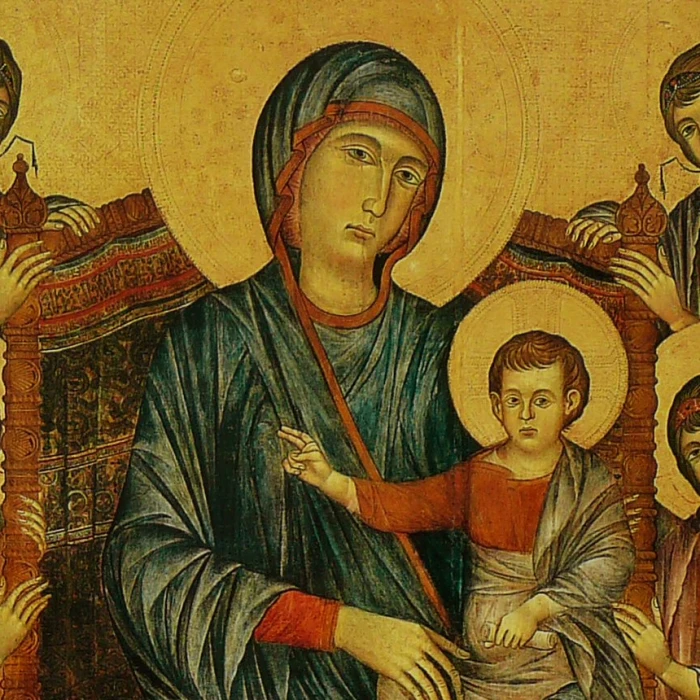
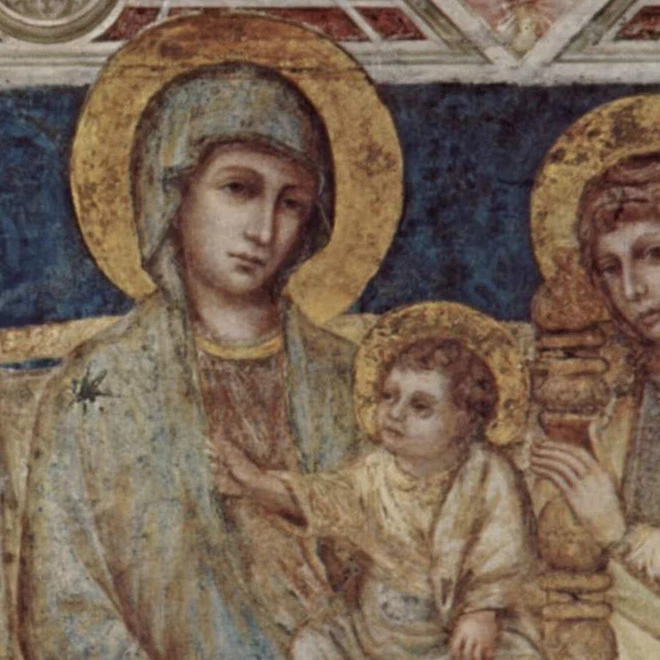
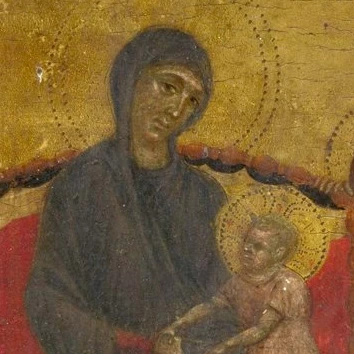
One of the defining characteristics of Cimabue’s art is precisely this tension between continuity and innovation. He did not reject Byzantine models, but gradually transformed them from within. In his monumental representations of the enthroned Virgin, for instance, he preserved the hierarchical structure and iconic grandeur inherited from earlier religious art, while introducing more convincing spatial arrangements, more articulated groups of angels and a stronger sense of bodily presence. His figures remain formal and idealized, yet they possess greater weight and dimensionality than those of many earlier painters.
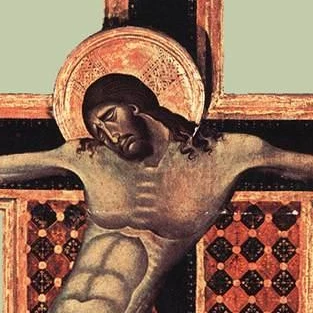
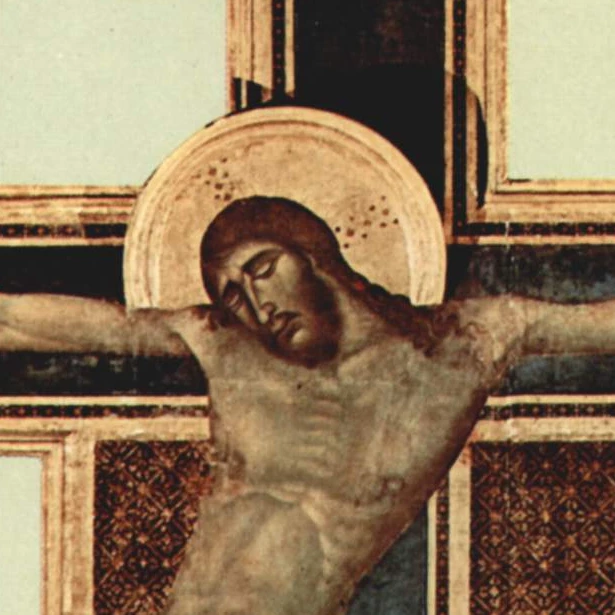
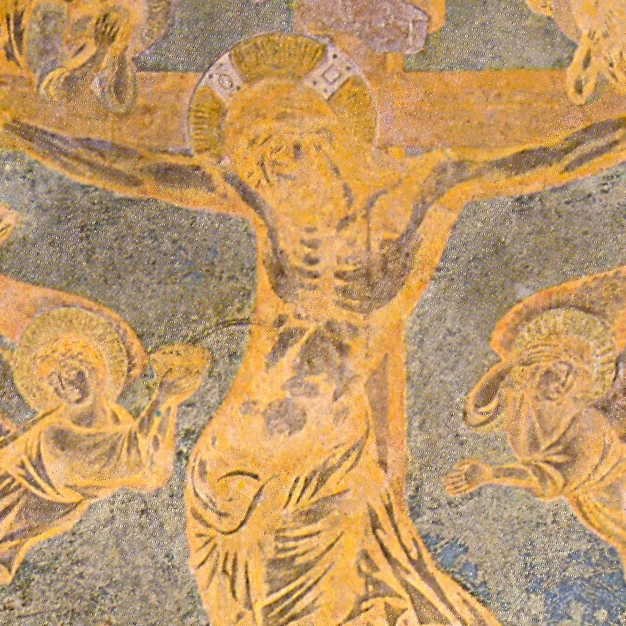
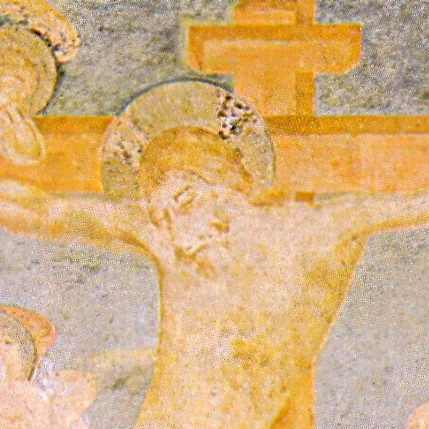
His monumental crucifixes represent another crucial aspect of his production. In these works, the body of Christ increasingly departs from the rigid and triumphant type characteristic of earlier Romanesque imagery. Christ appears physically vulnerable and visibly affected by suffering. The body bends under its own weight, the torso follows a more natural curve and the face conveys intense pain. This shift contributed to a new emotional relationship between sacred imagery and the viewer, emphasizing compassion and human suffering.
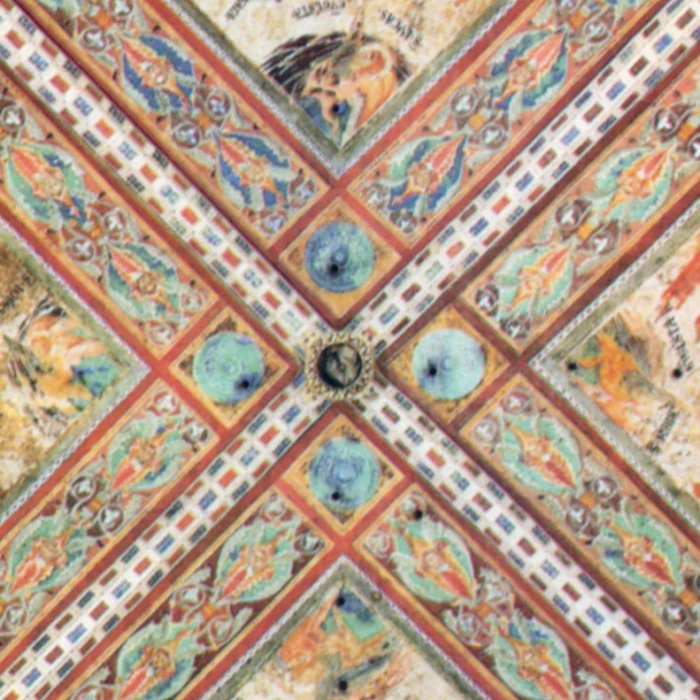
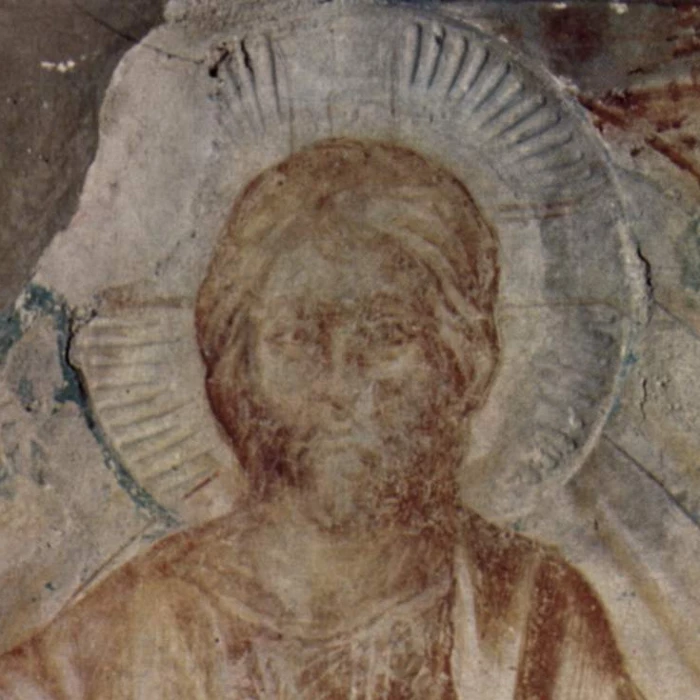
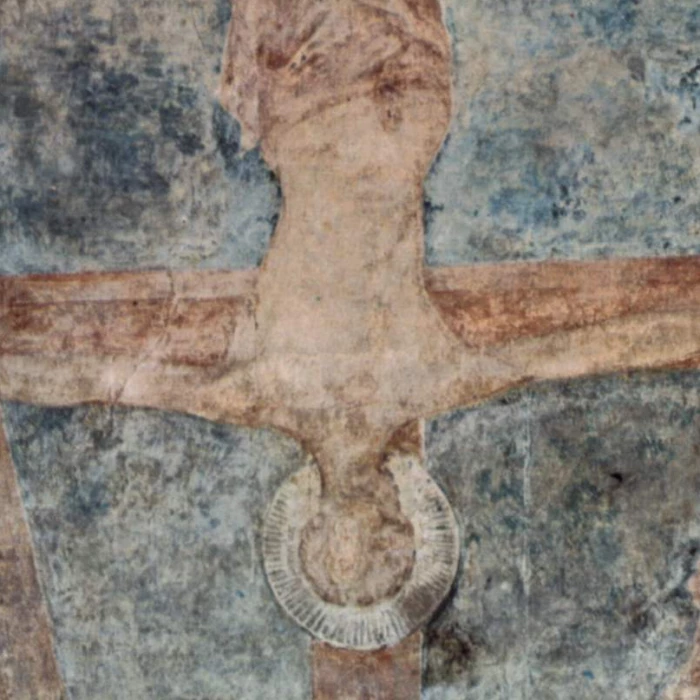
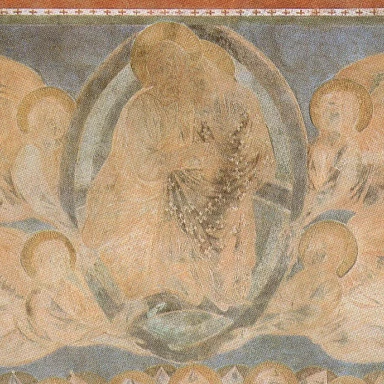
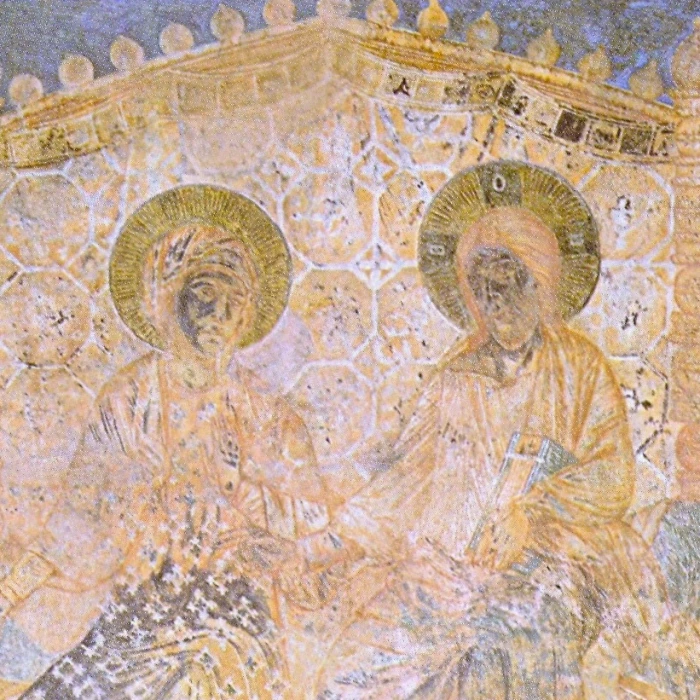
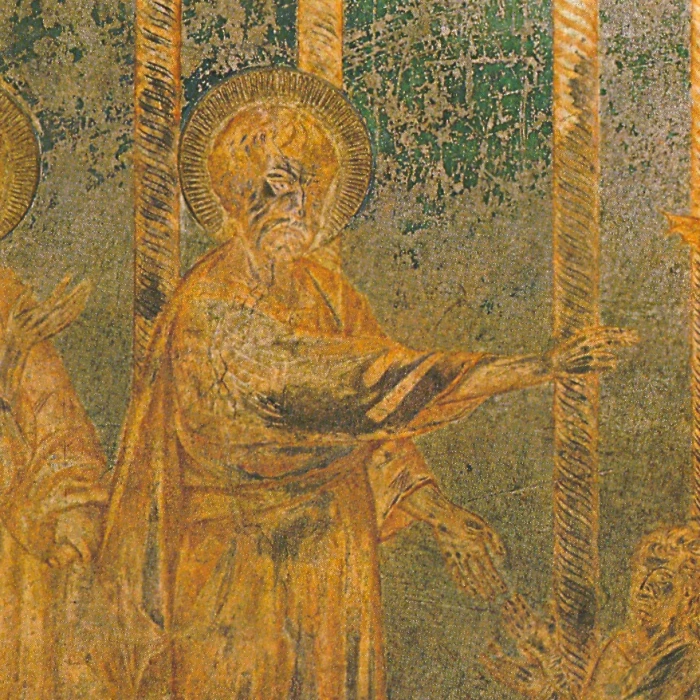
Cimabue was active in several major artistic centres of central Italy, including Florence, Rome, Assisi and Pisa. His work in the Upper Basilica of Saint Francis at Assisi was particularly important. There he participated in an extensive fresco decoration program involving monumental religious scenes. Although these frescoes are now severely damaged and their attribution remains the subject of scholarly debate, they represent one of the most significant examples of his ability to work on a large architectural scale.
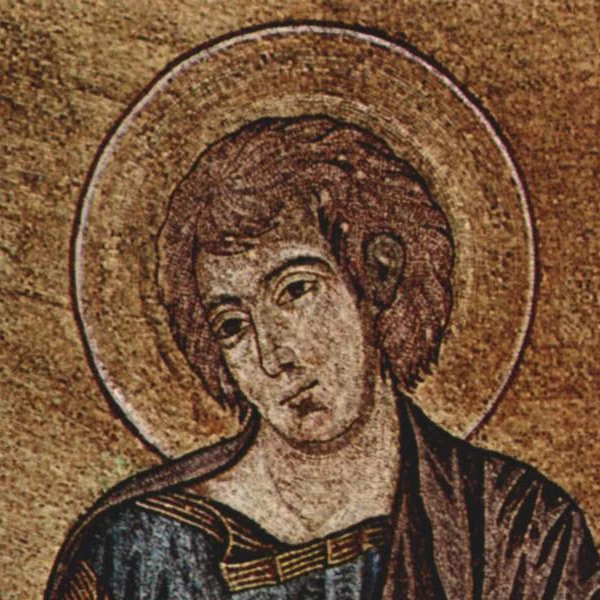
His activity in Pisa is especially important because it is supported by documentary evidence. Between 1301 and 1302 he worked on the mosaic decoration of the apse of Pisa Cathedral, contributing the figure of Saint John the Evangelist to the composition of Christ in Majesty with the Virgin and Saint John. This commission is of exceptional importance for the study of Cimabue because it provides the most secure documentary basis for identifying his artistic personality and comparing it with other works attributed to him.
The relationship between Cimabue and Giotto has played a central role in the history of Italian art. Early literary sources and later writers such as Giorgio Vasari presented Cimabue as Giotto’s master or immediate predecessor. Although a direct teacher-pupil relationship cannot be proven with absolute documentary certainty, the association has strong historical significance. The two artists represent successive stages in the transformation of Italian painting. Cimabue explored greater volume, spatial coherence and emotional expression, while Giotto would develop these tendencies into a far more convincing naturalistic language.
From the Renaissance onward, historiography often portrayed Cimabue as the artist who initiated the revival of Italian painting after what was seen as a period of medieval decline. Modern scholarship has revised this interpretation, recognizing the sophistication of Byzantine art and the contribution of several regional schools in Italy. Nevertheless, Cimabue remains a key figure because his work occupies a pivotal position between established medieval conventions and the visual innovations that would dominate fourteenth-century painting.
The surviving corpus associated with Cimabue is relatively limited and presents major attribution problems. Most works connected with his name are not supported by contemporary documentation and have been assigned to him through stylistic, technical and historical analysis. As a result, the reconstruction of his career remains partly hypothetical. Even so, the works generally attributed to him reveal a coherent artistic personality characterized by monumentality, solemnity, expressive intensity and a growing interest in naturalism.
Cimabue’s historical importance therefore lies not only in the individual quality of his paintings, but also in his role within a broader transformation of Western art. His work preserves the spiritual grandeur and visual authority of the Byzantine tradition while introducing a new concern for space, physical form and human emotion. This combination made his painting one of the principal foundations for the development of Italian art in the fourteenth and fifteenth centuries.
Etapa inicial
Etapa de madurez
Etapa final